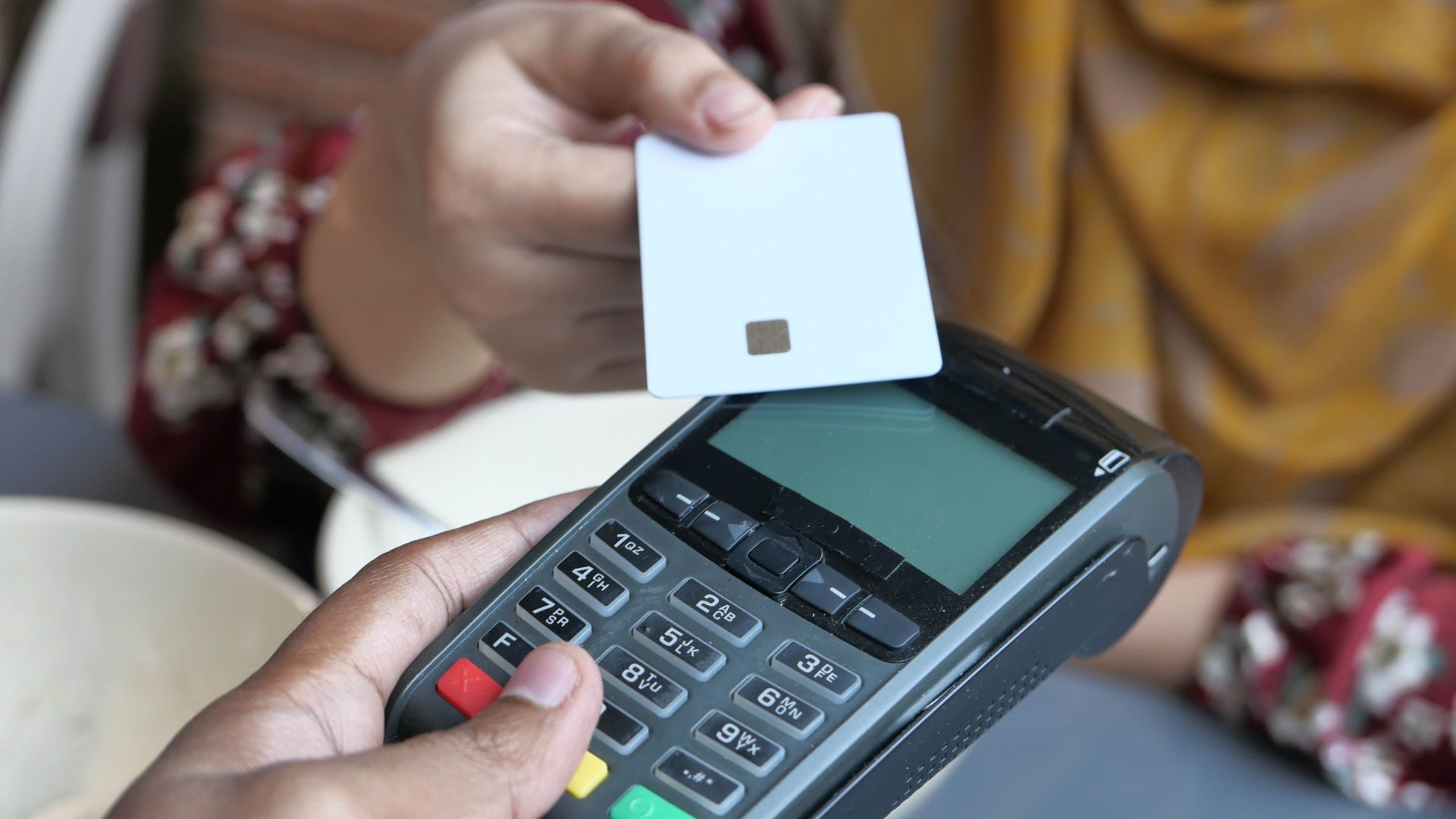
You should use virtual cards that issue instantly, let you set per-card limits, pause or cancel cards, and integrate with Swedish banks and mobile wallets to stop unwanted subscription charges. Pick providers with clear fees, strong fraud protection, tokenization, two‑factor login, and exportable histories so you can track recurring and pending payments. Create one card per subscription, cap amounts, and expire or freeze cards when needed — keep going to see practical setup and provider picks.
Quick Answer: Best Virtual Card Approach for Subscriptions in Sweden
Looking for the simplest way to manage subscriptions in Sweden? You’ll want a virtual card that balances convenience, security, and local support.
Choose a provider offering clear virtual card benefits: instant issuance, easy top-ups, and per-card spending limits. Prioritize services that integrate with Swedish banks and mobile payment apps so recurring charges process smoothly.
For subscription flexibility, pick cards you can pause, cancel, or rotate without contacting merchants — that keeps billing under your control. Look for transparent fees, strong fraud protection, and an app that shows pending and recurring charges.
If you use multiple services, create dedicated cards per subscription to isolate risks and simplify tracking, then adjust each card as your needs change.
How Virtual Cards Fix Subscription Headaches
When recurring charges start cluttering your statements or a merchant keeps billing after you cancel, virtual cards give you control: you can create a unique card for each subscription, set spending limits or expiration dates, and instantly pause or revoke a card without contacting the provider. This stops unwanted charges and makes it easy to spot and manage subscriptions.
You get subscription flexibility and clear spending oversight so you can act fast.
- Generate a unique card per service to isolate charges.
- Set monthly caps or one-time amounts to prevent surprises.
- Use expiration dates to force renewals only if you want them.
- Pause or cancel cards instantly when you stop a service.
- Review card activity to spot forgotten or duplicate subscriptions.
How to Choose a Virtual Card: 5 Essential Criteria
Before you pick a virtual card, decide what matters most to you—security, control, fees, merchant compatibility, or ease of use—so you can evaluate providers against those priorities.
First, prioritize security: look for tokenization, EMV compatibility, and strong fraud detection so your recurring payments stay protected.
Second, control: choose cards that let you set spend limits, freeze or cancel numbers, and create single-use options to stop unwanted charges.
Third, check virtual card features like billing descriptors and expiry settings to match your subscription patterns.
Fourth, ensure subscription flexibility so you can adapt cards to monthly, annual, or trial billing without disruption.
Finally, assess customer support and app usability to manage subscriptions quickly when issues arise.
The First Thing We Tell New Freelancers to Set Up
When a younger friend went freelance, our first piece of advice was to split business spending from day one. The simplest route is a virtual credit card service that lets you mint cards on demand. We sent her to Qwikvcc—the same tool keeping our own books clean. A prepaid card per client, clear caps, and no exposure of personal banking details make a freelancer look organized long before they can hire an accountant. That early VCC habit spares a lot of pain later.
Quick Comparison Checklist: Fees, Limits, Renewals, and Bank Links
You’ve picked the security and control features you want; now compare the practical terms that shape everyday use: fees, spend and per-transaction limits, renewal behavior, and how the card links to your bank or payment platform.
Focus on fee structures and usage limits that affect monthly costs and flexibility. Check renewal cadence (single-use, monthly, auto-renew), whether cancelled cards still bill, and how easily you can top up or link to accounts.
- Monthly and per-transaction fee differences to avoid surprises
- Temporary vs. permanent card options and renewal policies
- Overdraft protection, top-up methods, and bank linking ease
- Subscription-friendly features like scheduled renewals or auto-blocks
- Clear limits display in app and real-time notifications
Use this checklist to spot hidden costs and operational friction before you commit.
Best Bank‑Linked Virtual Cards Available in Sweden
If you want seamless subscription control tied directly to your Swedish bank account, several local and international providers offer bank-linked virtual cards that balance security, low fees, and easy top-ups.
You’ll find options from major Swedish banks and PSD2-compliant issuers that attach virtual cards to your account, so topping up and monitoring payments stays within your existing banking app.
These solutions emphasize virtual card benefits like single-use numbers, spend limits, and merchant-specific controls, helping you stop unwanted renewals quickly.
For subscription flexibility, look for cards that let you set per-subscription limits, pause or cancel cards instantly, and receive real-time notifications.
Compare fees, currency support, and integration with your bank’s mobile UX before choosing.
Top Fintech Virtual Cards Usable in Sweden
Alongside bank-linked options, several fintechs offer flexible virtual cards you can use in Sweden for subscriptions, travel, and online purchases.
You’ll find providers that focus on easy sign-up, mobile payments integration, and strong controls so you can manage recurring charges without fuss.
- Revolut: global reach, disposable card option, solid spending controls.
- Monese: simple onboarding, good for expats, integrates with digital wallets.
- Curve: consolidates cards, gives virtual card routing and cashback.
- P.F.C.: budgeting features, per-subscription virtual cards, instant notifications.
- Wise: low FX fees, virtual card for travel and online subscriptions.
Pick one that matches your needs for security, fees, and mobile payments convenience.
Set Up a Virtual Card for Recurring Payments (Step‑by‑Step)
Follow these steps to create a virtual card for recurring payments quickly and securely: open your chosen fintech app and go to the virtual cards section.
Tap “create” and pick a card type marked for recurring or subscriptions. Name the card for the service, set the currency to SEK if needed, and enable recurring payments when prompted.
Choose a monthly or custom limit that fits the subscription cost plus buffer. Save and copy the virtual card details, then paste them into the merchant’s billing page.
Confirm the first charge and check the card’s settings to allow automatic renewals. You’ll enjoy virtual card benefits like easy cancellation, spend tracking, and subscription flexibility without exposing your primary account.
Stop Unwanted Renewals and Troubleshoot Recurring Charge Issues
When a subscription keeps charging after you thought it was cancelled, act quickly to stop further renewals and reclaim control of your payments.
First, check the merchant account and any linked virtual card settings—some services hide renewal toggles. If cancellation didn’t process, request written confirmation from the provider and document timestamps.
- Review recent statements tied to the virtual card.
- Contact the merchant, ask for immediate cancellation and refund.
- Save chat logs or emails proving your subscription cancellation.
If the merchant won’t cooperate, open a charge disputes request with your card issuer.
Consider freezing or replacing the virtual card to block future attempts.
Track responses and escalate to your bank or consumer protection if needed to resolve subscription cancellation and charge disputes promptly.
Privacy & Security: What to Check as a Swedish User
Curious what specific privacy and security steps you should take in Sweden? Check that the virtual card provider complies with GDPR and local data protection rules: confirm where they store data, how long they keep it, and whether they perform regular audits.
Prefer providers offering strong encryption for card details and transactions, plus two-factor authentication for account access. If you value user anonymity, pick services that let you mask personal info and limit metadata sharing with merchants.
Review the provider’s breach notification policy and whether they use tokenization to reduce exposure of real card numbers. Finally, read the privacy policy for third‑party sharing, and choose a provider with clear, minimal logging and an easy account‑deletion process.
Which Virtual Card Is Best for You: A Use‑Case Checklist
Think about what you’ll use the virtual card for so features match your needs—recurring subscriptions, one‑time trials, or international services all benefit from different setups.
Check how easily you can set spending limits, freeze or cancel cards, and control merchant access. Those control options will keep your subscription costs predictable and prevent unwanted charges.
Card Purpose Match
Pick the virtual card that fits how you actually subscribe: whether you need tight merchant control, easy card rotation, shared team access, or temporary one‑off cards, each purpose calls for different features.
Think in terms of card benefits and subscription flexibility to match your routine.
- If you want single-use security, pick temporary cards for one-off trials.
- For recurring services you trust, choose reusable cards you can rotate easily.
- When teammates handle invoices, prefer shared cards with role-based access.
- If you juggle lots of small subs, pick cards with clear labeling and exportable history.
- For premium services, choose cards that integrate with accounting and offer dispute support.
Match features to purpose, then test a short trial to confirm the fit.
Limit And Control
When you need strict spending limits and tight merchant controls, choose a virtual card that lets you set clear caps, block merchant categories, and freeze or cancel cards instantly so you stay in control of every subscription charge.
You’ll want subscription tracking that groups recurring payments and sends transaction notifications so you see renewals before they post.
Look for card flexibility that creates single‑use or merchant‑locked numbers, adjusts spending limits per subscription, and pauses charges during trial periods.
Good budget management ties virtual cards to categories and alerts you when you approach limits, improving expense control.
Prioritize payment security features like tokenization and instant blocking to stop unwanted debits. That combo keeps recurring payments predictable and your finances protected.
Frequently Asked Questions
Can Virtual Cards Be Used for In‑Store Contactless Payments in Sweden?
Yes, you can often use virtual cards for in‑store contactless payments in Sweden; they’re supported via mobile wallets, offer security features like tokenisation and biometric locks, and you’ll just tap your phone or wearable at terminals.
Do Merchants in Sweden Accept Virtual Cards for E‑Invoicing?
Mostly yes — you’ll usually be fine. You’ll enjoy virtual card benefits for e‑invoicing as merchants increasingly adapt to e invoicing trends, though acceptance can vary by vendor and invoice processing systems, so check beforehand.
How Do Virtual Cards Affect My Credit Score or Credit Reports?
They generally won’t hit your credit report directly, but you’ll want an impact assessment: if a virtual card ties to a credit line it raises reported credit utilization, which can temporarily lower your score if balances stay high.
Are Virtual Cards Compatible With Family/Shared Subscription Accounts?
Yes — you can use virtual cards for family accounts; they’re great for subscription flexibility. You’ll assign cards per member, control limits, pause or cancel subscriptions quickly, and monitor spending without exposing your main card details.
Can I Get Refunds to a Canceled or Expired Virtual Card?
Yes — 68% of issuers allow refunds to canceled or expired cards; you’ll follow the refund process with the merchant and issuer, though virtual card limits or policy may force refunds to your linked primary account instead.
Final words
In Sweden, virtual cards make subscription life simple: they stop surprise charges, protect your data, and give you control — like a reliable gatekeeper you set and forget. Choose one that matches your bank, fees, and renewal rules, then set limits and alerts. If a charge slips through, freeze or replace the card and contact the merchant. Trust your card, not the fine print — and enjoy subscription peace of mind.
Leave a Reply