Category: Uncategorized

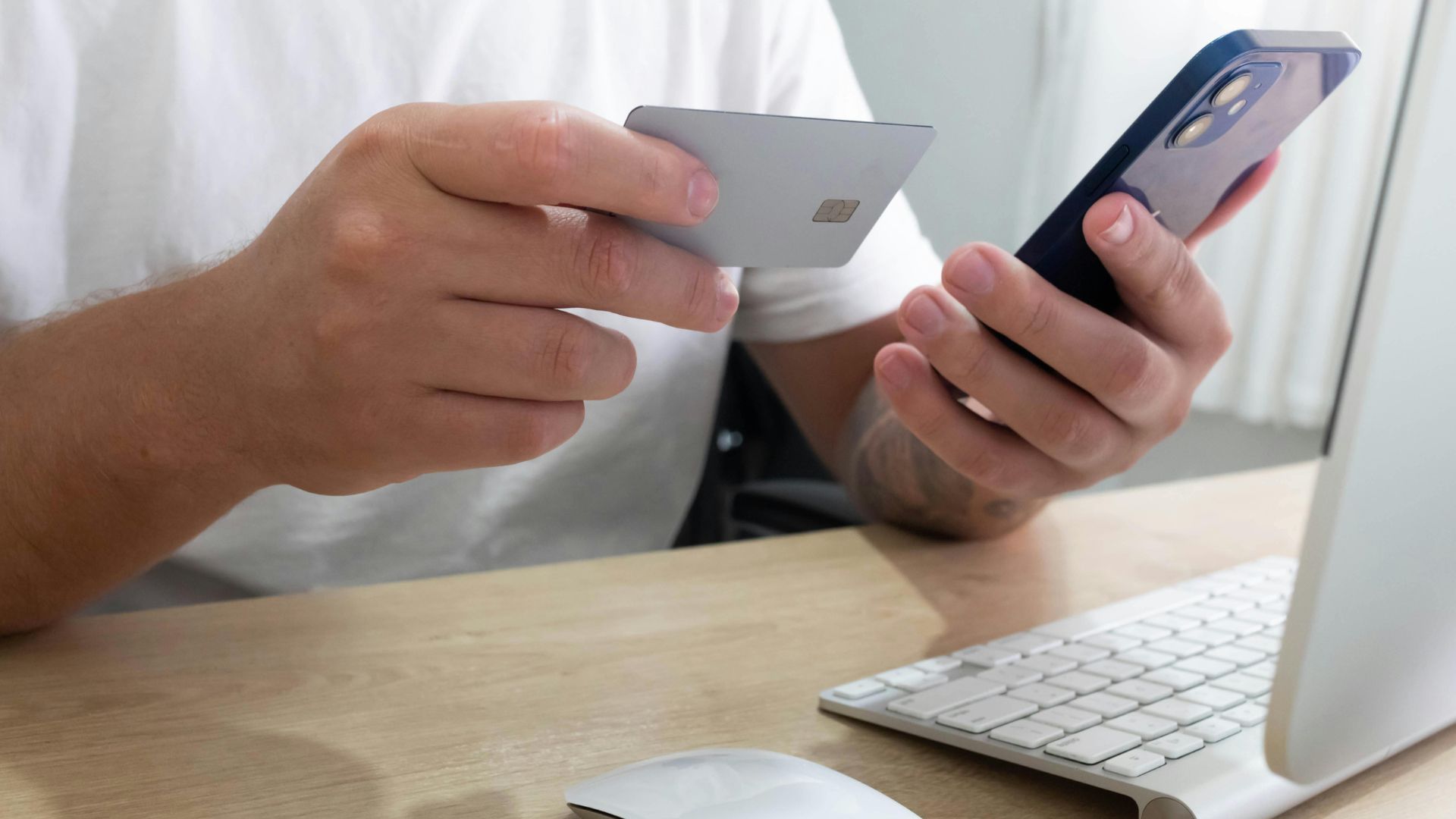
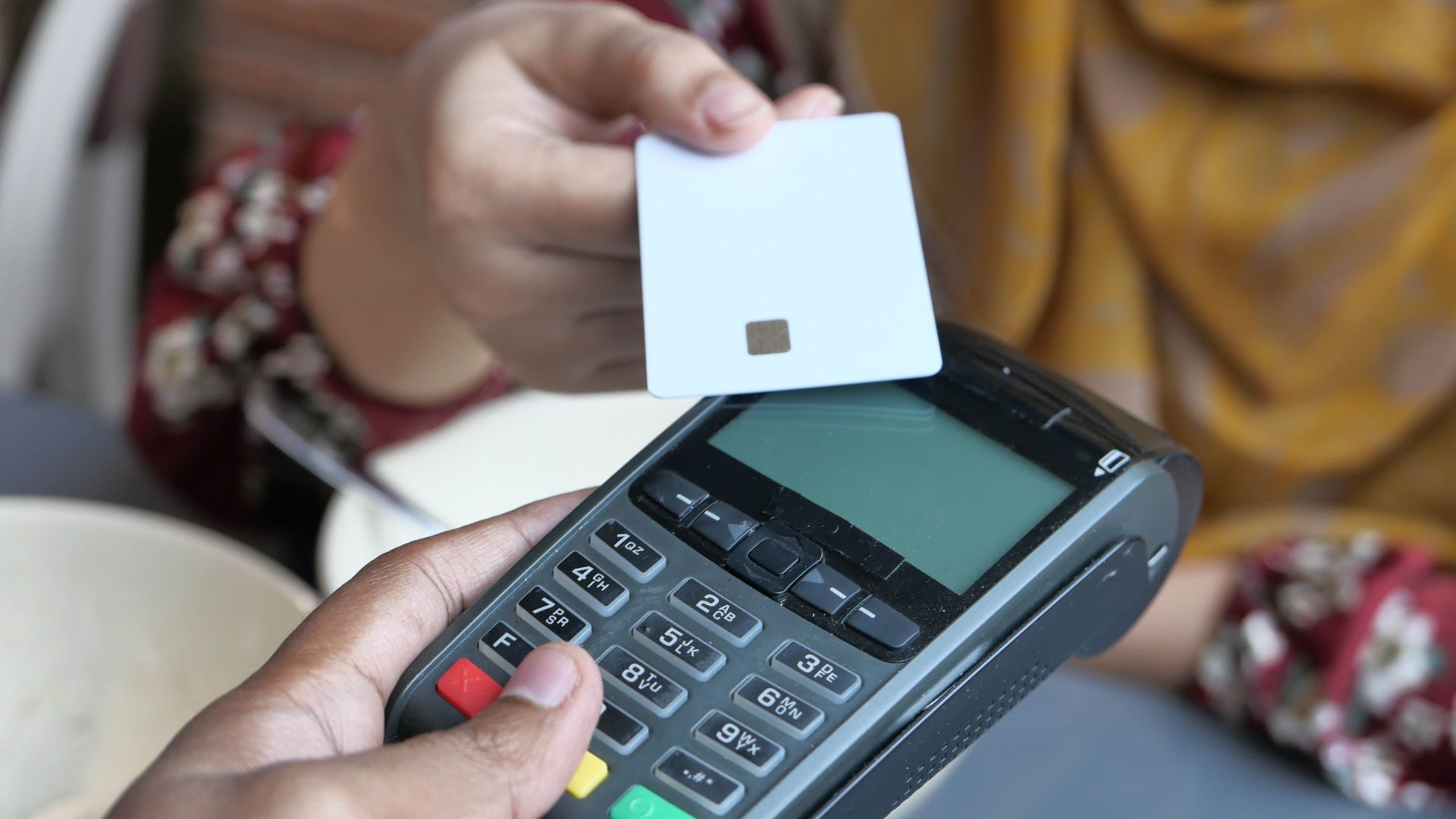
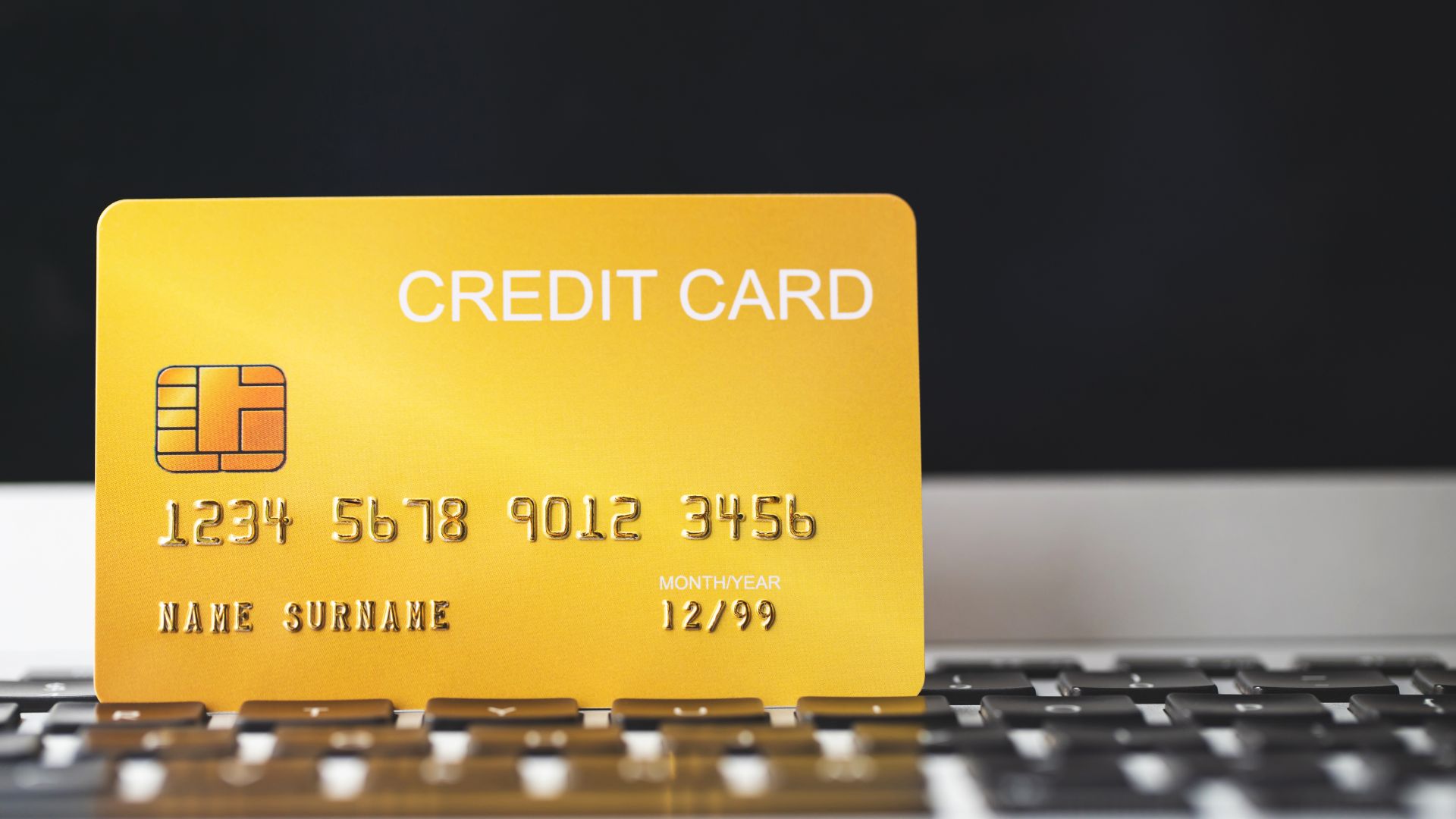
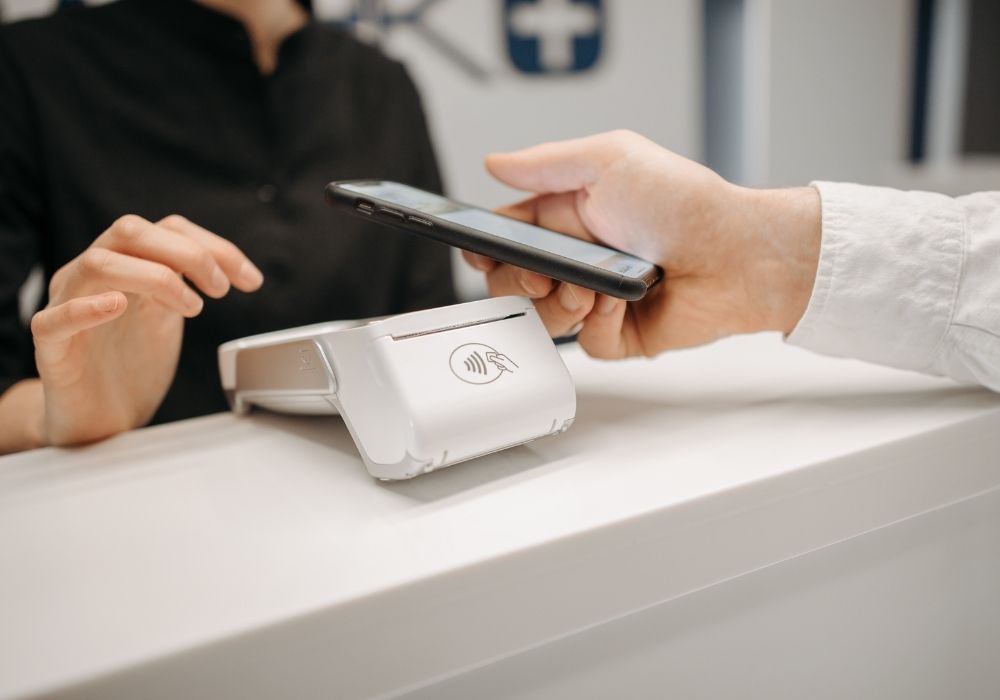
  • How to Keep Online Purchases Private in Norway

    How to Keep Online Purchases Private in Norway

    You can keep online purchases private in Norway by using guest checkout, unique emails or aliases, and disposable virtual cards or prepaid gift cards; don’t save payment details and enable two‑factor auth on any accounts you keep. Pick GDPR‑compliant retailers, review privacy policies, opt out of marketing, block third‑party cookies, use a trusted no‑logs VPN and parcel lockers for delivery. Limit shared fields to essentials and request deletion when allowed — more practical steps follow if you want them.

    Key Takeaways

    • Use single-use virtual cards, prepaid gift cards, or privacy-focused wallets to avoid exposing your real card details.
    • Shop on HTTPS sites and verify retailer GDPR/Personal Data Act compliance before providing personal information.
    • Checkout as guest, use a separate purchase-only email, and decline marketing consents to limit stored data.
    • Block third-party cookies and use privacy browser extensions or private profiles to prevent cross-site tracking.
    • Ship to parcel lockers or neutral pickup points instead of your home address to protect delivery privacy.

    Quick Privacy Checklist for Online Shopping

    Start with these essentials to keep your online purchases private: use strong, unique passwords and enable two-factor authentication on shopping accounts; shop on sites that use HTTPS and reputable payment processors; avoid saving payment details unless necessary and prefer virtual cards or one-time tokens; limit sharing personal info to required fields and use a separate email for purchases; and regularly review and delete stored data, order histories, and app permissions.

    You should enable secure browsing settings, clear cookies after sessions, and block trackers or third-party scripts. Consider anonymous shopping techniques like using burner emails and privacy-focused payment options when appropriate.

    Keep device software and privacy settings current, audit installed shopping apps, and restrict unnecessary permissions to maintain compliance with data minimization principles.

    Making Every Checkout Feel Safe Again

    Checkout pages used to come with a small flinch—could we trust this site with our card? A friend lost that hesitation by using a virtual card for safe checkout on any site every time. She pointed us to Card29, and our online buying feels different now. Each transaction runs on a capped, disposable prepaid card, so even a careless merchant can’t reach our real credit card. Walking into every checkout with a contained VCC swaps a moment of doubt for one of confidence.

    How to Evaluate a Retailer’s Privacy Practices (Norway & Abroad)

    After you’ve tightened account settings and limited data sharing, check how a retailer actually handles the information you give them—both in Norway and when buying from foreign sellers.

    Review the privacy policy for clear commitments to retailer transparency: look for data purpose, retention periods, and sharing with third parties. Confirm compliance with GDPR for EU/EEA sellers and with Norway’s Personal Data Act.

    Verify whether the site uses strong data encryption (HTTPS, TLS) for transactions and storage; absence is a red flag.

    Check cookie banners and opt-out options, and see if they offer data access, correction, and deletion requests.

    Look up recent privacy audits, breach history, and supervisory authority decisions. If practices aren’t documented or enforceable, don’t proceed until you get satisfactory answers.

    Choose Privacy-Friendly Retailers

    When you pick a retailer, prioritize sellers that publish clear, enforceable privacy commitments and give you control over your data.

    Check their privacy policy for lawful bases, retention limits, and contact details for a DPO or data protection representative in Norway.

    Verify retailer reputation through independent reviews, consumer protection sites, and official registers to confirm compliance history and complaint resolution.

    Prefer vendors that minimize required data, offer pseudonymous payment options, and document secure shipping practices, including limited data on labels and tamper-evident packaging.

    Look for explicit promises not to sell or share your data and clear instructions for exercising your GDPR rights.

    Keep evidence of policies and communications in case you need to escalate or lodge a complaint.

    Avoid Accounts: Guest Checkout and Account Hygiene

    Want to limit how much of your personal data a retailer can keep? Use guest checkout benefits whenever available: complete a purchase without creating an account, give only required fields, and decline marketing consents. That reduces stored identifiers and the breach surface.

    When an account is unavoidable, practice strict account hygiene: use a unique, strong password, enable two-factor authentication, and review connected payment methods regularly.

    Delete unused accounts or anonymize profile details (remove address, phone) after purchases to limit retention. Keep email for receipts separate from your primary inbox to contain tracking.

    Log out after sessions and avoid saving payment details on merchant sites. These steps balance convenience with compliance and improve account security across Norwegian retailers.

    Use Disposable Virtual Cards and Privacy-Focused Banks

    Limiting account data helps, but you can further reduce merchant access to your finances by using disposable virtual cards and banks that prioritize privacy.

    You’ll generate single-use card numbers for specific purchases, isolating each transaction and limiting exposure if a merchant is breached. Disposable card benefits include controlled spend limits, automatic expiration, and easy cancellation without affecting your main account.

    Choose Norwegian or EU-regulated banks and fintechs that publish strong privacy policies, minimal data retention, and clear processing agreements to reduce third-party sharing.

    Virtual banking security matters: enable MFA, keep app/software updated, and review transaction logs regularly.

    For compliance, verify the provider’s licensing and PSD2/APIs handling.

    Combine disposable cards with a privacy-focused bank to shrink your financial footprint.

    Choose Payment Methods That Protect Your Identity

    When you want to keep purchases unlinkable to your identity, choose payment options that limit personal data exposure.

    Use prepaid virtual cards for one-off transactions, privacy-focused wallets that minimize tracking, or cash-like instruments (gift cards, money orders, crypto with proper precautions) when acceptable.

    These choices reduce merchant and processor access to your real financial details and help you stay compliant with privacy best practices.

    Use Prepaid Virtual Cards

    If you prefer not to expose your main bank or credit-card details, use a prepaid virtual card for online purchases; it gives you a disposable payment number tied to a limited balance and often a controlled expiration.

    You’ll get prepaid benefits like reduced exposure from data breaches and tighter spending control. Choose a provider regulated in Norway or the EEA to ensure compliance with AML and consumer-protection rules.

    Top up only the necessary amount, set single-use or merchant-locked numbers when available, and check transaction descriptions against receipts.

    Store virtual card credentials securely and delete them after use. If a merchant requests refunds, know the provider’s procedures to return funds.

    Review fees and limits to confirm the card suits your privacy and compliance needs.

    Opt For Privacy-Focused Wallets

    Because payment tools differ in how much personal data they reveal, choose wallets that minimise linkable identity and transaction metadata. You should prefer privacy-focused wallets that support cryptocurrency payments and strong on-device key management. They reduce exposure to merchant tracking and protect digital privacy when used correctly.

    1. Use non-custodial wallets to retain control of private keys and avoid third-party KYC linkage.
    2. Pick wallets with coin-mixing or privacy protocols (e.g., CoinJoin, coin tumbling alternatives) for unlinkability.
    3. Separate wallets for merchant payments vs savings to limit cross-transaction correlation.
    4. Verify wallet open-source audits and avoid wallets that leak IP, device identifiers, or require excessive permissions.

    Follow local compliance and reporting rules while prioritising technical privacy controls.

    Choose Cash-Like Instruments

    Think of prepaid cards, gift cards, and cash-deposit services as digital cash: they let you pay without tying purchases to your name or long-term account history.

    Use prepaid or disposable gift cards bought with cash to minimize traces; register only if required and avoid linking to personal accounts.

    When available, choose regulated cash alternatives that limit personal data retention and comply with Norwegian anti-money-laundering rules.

    Be cautious with vouchers sold online—buy from trusted vendors and keep receipts to prove legitimate origin.

    If you use digital currency, prefer privacy-aware services and convert through reputable exchanges that follow local regulations.

    Document compliance steps for audits and avoid large, repetitive deposits that could trigger reporting.

    Balance privacy goals with legal obligations.

    Don’t Save Cards or Enable Recurring Payments

    When you don’t store card details or enable automatic payments, you reduce the number of places your financial data can be exposed and simplify breach recovery.

    You’ll trade some payment convenience for stronger card security and easier control over transactions. Don’t save cards on merchant sites; enter details per purchase or use single-use virtual cards from your bank.

    Avoid recurring billing unless you trust the vendor and have written terms.

    1. Use tokenized or virtual cards for one-off purchases.
    2. Review statements monthly and cancel unknown recurring charges.
    3. Require emailed receipts and no stored payment methods in account settings.
    4. Prefer manual renewals for subscriptions; set calendar reminders.

    This reduces long-term exposure and helps with compliance reporting.

    Cut Tracking: Block Cookies, Trackers and Third-Party Scripts

    Don’t let sites stitch together your shopping behavior — block third-party cookies to stop basic cross-site tracking.

    Turn on browser features or extensions that disable cross-site trackers and strip tracking parameters from URLs.

    Also prevent script fingerprinting by restricting or sandboxing third-party scripts so they can’t uniquely identify your device.

    Block Third-Party Cookies

    Because third-party cookies let trackers follow your shopping across sites, you should block them to stop profiling and targeted ads.

    Do this using cookie management tools and privacy browser extensions so sites still work while trackers don’t. Configure browser settings to reject third-party cookies by default, then allow exceptions for merchants you trust.

    1. Enable third-party cookie blocking in settings and test key sites for functionality.
    2. Install privacy browser extensions that show and block hidden trackers; update them regularly.
    3. Use cookie management tools to clear unwanted cookies and set short lifespans for permitted ones.
    4. Log changes and review consent banners; keep documentation for compliance with Norwegian privacy expectations.

    Blocking third-party cookies reduces cross-site profiling while preserving necessary shopping functions.

    Disable Cross-Site Trackers

    If you want to stop trackers from stitching your activity across sites, cut off not just third‑party cookies but also cross‑site scripts and tracking pixels by blocking or sandboxing them at the browser and network level.

    You should enable tracker blocking tools in your browser, use extensions that isolate or remove third‑party scripts, and configure a privacy‑focused DNS or local network blocker to reduce external calls.

    Apply data minimization strategies: limit permissions, disable autofill for payments, and avoid cross‑site logins unless necessary.

    For compliance with Norwegian privacy expectations, document settings and consent choices, and periodically review allowed exceptions.

    Test purchases in a locked profile or private window to confirm trackers are blocked and no unexpected requests leave your device.

    Prevent Script Fingerprinting

    When attackers can’t rely on cookies or third‑party scripts, they turn to script fingerprinting. You should harden your browser and network against any JavaScript that can uniquely identify your device or behavior.

    You’ll reduce risk by controlling script execution, limiting entropy sources, and enforcing consistent privacy signals across sessions. Use browser extensions and privacy tools that block or randomize APIs used for fingerprinting, and keep them updated.

    1. Disable unnecessary JavaScript selectively; allow only trusted domains.
    2. Use privacy tools that spoof or standardize canvas, WebGL, fonts, and time zone.
    3. Run a content blocker plus an extension that enforces strict fingerprint resistance mode.
    4. Test your setup with online fingerprint checks and adjust settings to meet compliance requirements.

    Shop in Private Browsing or a Privacy-First Browser

    Although private windows won’t make you anonymous, they stop your browser from storing cookies, history, and form data that can link purchases to your device. Use private browsing for one-off buys or when sharing a device to reduce local traces. That prevents autofill of billing details and avoids persistent tracking cookies tying sessions together.

    Choose privacy browsers that block trackers by default and offer isolated containers or fingerprint-hardening features. Check settings: disable third-party cookies, clear site data on close, and turn off password sync if you want no cloud record.

    For recurring vendors, create separate profiles to limit cross-site linkage. Keep receipts and payment instruments separate from your browsing profile so compliant accounting or warranty needs don’t re-link purchases to your browsing activity.

    Use a VPN or Secure DNS for Safer Checkouts

    When you check out, use a trusted VPN to encrypt your connection so ISPs or Wi‑Fi operators can’t snoop on payment data.

    If you prefer not to run a VPN, configure a secure DNS service that blocks malicious domains and prevents DNS leaks.

    Pick reputable providers with clear privacy policies and minimal logging to stay compliant and reduce risk.

    Use a Trusted VPN

    If you want to keep your checkout details private, use a trusted VPN (or a secure DNS service) to encrypt your connection and prevent eavesdropping or ISP tracking.

    You’ll gain VPN Benefits like Secure Connections and Data Encryption that safeguard card and account info. Choose a provider that emphasizes Online Anonymity and clear Privacy Protocols.

    1. Pick based on Speed Considerations and Server Locations to reduce latency during checkout.
    2. Verify Device Compatibility and Multi device Support so all purchase devices are protected.
    3. Confirm no-logs policy and jurisdiction to meet compliance and privacy goals.
    4. Test Streaming Access and real-world performance to ensure the VPN doesn’t throttle or break services you rely on while shopping.

    Choose Secure DNS

    A VPN helps hide your traffic, but a secure DNS can stop DNS leaks and block malicious sites at the name-resolution level, giving you an extra layer of protection during checkout.

    Choose a reputable DNS provider that supports DNS-over-HTTPS (DoH) or DNS-over-TLS (DoT) so your queries are encrypted and can’t be intercepted or altered.

    Configure your device or router to use that provider, or use an OS/browser setting that enforces encrypted browsing for name resolution.

    Verify there are no DNS leaks with online testers before entering payment data.

    Combining a trusted VPN with secure DNS strengthens secure connections and reduces exposure to phishing, ISP logging, and man-in-the-middle attacks—helping you stay compliant with privacy best practices.

    Troubleshooting: VPNs, Payments and Checkout Issues

    Because VPNs, payment methods, and checkout flows interact in ways that can reveal or block your purchases, you should diagnose issues methodically: Start by checking VPN configurations and network security settings; temporarily disable the VPN to see if Payment encryption prompts or Checkout glitches persist. Log errors and timestamps for compliance and support.

    1. Test without VPN to isolate routing or Geo-blocking problems.
    2. Verify Payment encryption (TLS/3D Secure) and certificate validity.
    3. Clear cache, try another browser/device to rule out Checkout glitches caused by scripts.
    4. Contact merchant and VPN provider with logs; request minimal necessary data sharing.

    Follow receipts and merchant policies when you escalate. Keep records for dispute resolution and regulatory compliance.

    Use Neutral Pickup: Parcel Lockers and Post Offices

    When VPNs or payment issues force you to pause an order, consider routing deliveries through neutral pickup points like parcel lockers or post office counters to keep your home address out of transaction records.

    Choose a reputable locker network or the nearest post office, and register with the service using minimal personal data where allowed. Use the retailer’s option for pickup address and confirm parcel tracking details; save only the pickup code, not the full order page.

    Bring valid ID and any required pickup code when collecting. Keep pickup windows short and collect promptly to avoid returns.

    Document the pickup process for compliance with retailer policies, and avoid linking these addresses to recurring billing or subscription services.

    Ask About Neighbor Pickup or Pickup Services Safely

    If you can’t use neutral pickup points, ask the seller or carrier to list an alternate pickup name or approved neighbor so your name won’t appear on the package.

    Choose carriers that offer secure pickup services with ID checks and access codes, and confirm their privacy and retention practices.

    Always verify recipient details and get tracking or pickup confirmation to maintain compliance and accountability.

    Ask For Alternate Pickup

    Although you’d usually have packages sent to your door, asking for an alternate pickup can cut exposure to unwanted tracking and porch theft; choose alternate pickup options that reduce visible delivery data and follow carrier rules.

    You’ll minimize delivery notices at home and keep records off public tracking pages.

    1. Ask carrier for pickup at local depot to limit home address visibility.
    2. Use a trusted neighbor’s address only with their consent and written agreement.
    3. Opt for pickup points that require ID to match recipient to parcel.
    4. Schedule pickups during hours when staff verifies identity and logs receipt.

    Follow carrier policies and retain proof of pickup.

    Prioritize secure delivery methods and documented consent to stay compliant and protect privacy.

    Use Secure Pickup Services

    You can extend the alternate pickup approach by using secure pickup services that require ID checks or recipient codes, which reduces public tracking exposure and the risk of porch theft.

    Choose carriers or lockers offering secure delivery with photo ID, SMS codes, or app authentication.

    Use pickup points that don’t display recipient names and allow anonymous pickups when permitted under Norwegian regulations; verify provider policies to stay compliant.

    For neighbor pickup, get written consent and record the exchange to prove handover.

    Keep order notifications minimal—avoid including item details—and use a neutral pickup name or company account where allowed.

    Retain receipts and tracking logs for dispute resolution and data protection audits.

    Review terms to ensure privacy and legal compliance.

    Minimize Address Details and Skip Landmark Notes

    Limit the address to what’s necessary for delivery and skip adding landmark notes that reveal more about your home. You’ll reduce visibility and support address confidentiality and delivery anonymity by giving only the required fields.

    Follow these practical steps:

    1. Provide street name, number, postal code and municipality—nothing extra.
    2. Use building or mailbox identifiers only if mandatory for courier access.
    3. Avoid phrases like “back door,” “near the blue house,” or other landmarks.
    4. When forms force extra details, enter minimal, generic text (e.g., “entrance A”).

    Also check retailer and courier privacy settings to ensure they won’t store or display added notes publicly.

    Keep receipts and order confirmations trimmed of personal descriptors. This keeps delivery compliant with privacy best practices and lowers risks of accidental disclosure.

    Mask Phone Numbers and Use SMS Forwarding

    When you shop online, use temporary phone numbers to avoid exposing your real digits to merchants.

    Enable SMS forwarding to a secure device or app so you still receive order confirmations without sharing your primary number.

    If you use VoIP, configure privacy settings and avoid linking it to personal accounts to reduce traceability.

    Use Temporary Phone Numbers

    Want to avoid giving your real number to every store and app? Use temporary number services to receive verification codes or contact without exposing your mobile. Choose reputable providers with clear data-retention policies and privacy app recommendations from trusted Norwegian or EU sources.

    1. Pick a service with GDPR-compliant handling and short retention windows.
    2. Use single-use numbers for one-off signups and reusable numbers for recurring merchants.
    3. Pay attention to call/SMS capability, costs, and whether the provider logs metadata.
    4. Combine a temporary number with an email alias and limited payment method to reduce linkability.

    These steps help you stay compliant with Norwegian privacy expectations while limiting spam and profiling risk. Keep records of subscriptions and cancel numbers you no longer need.

    Enable SMS Forwarding

    If you’re using temporary numbers, you can further mask your real phone by forwarding SMS to a controlled inbox—this lets you receive verification codes without exposing any persistent number.

    Set up forwarding from the temporary number service to an encrypted mailbox or app that supports SMS encryption. Choose providers that let you rotate temporary numbers and offer secure delivery options; document retention should be minimal and auditable for compliance.

    Configure alerts for unexpected forwarding changes and restrict access with MFA. When possible, limit forwarded messages to one-time codes and avoid forwarding personal confirmations that link to your identity.

    Regularly purge forwarded messages according to your data-retention policy. Maintain logs of forwarding rules and reviews to prove compliance with privacy requirements and audits.

    Protect VoIP Privacy

    Although VoIP gives you flexibility, you should treat numbers and SMS like sensitive identifiers: mask outbound caller IDs, use disposable VoIP numbers for transactions, and forward one-time codes to a secure, auditable inbox so your real number never appears in merchant records.

    You’ll enforce VoIP security and call privacy by minimizing linkages between purchases and your primary number. Use anonymous communication tools and encrypted messaging for confirmation texts and receipts.

    Follow privacy legislation and data protection best practices when storing forwarded SMS.

    1. Use disposable VoIP numbers per vendor.
    2. Mask caller ID; enable voice encryption for sensitive calls.
    3. Forward OTPs to an auditable, encrypted inbox.
    4. Prefer secure connections and verified providers complying with privacy legislation.

    These measures keep purchases private and auditable.

    Use Email Aliases and Checkout-Specific Addresses

    When you shop online, use email aliases or checkout-specific addresses to limit tracking and reduce spam; they let you give each retailer a unique address so you can quickly spot breaches, filter messages, and disable a vendor-specific address without disrupting your main inbox.

    Use alias management features built into your provider or create plus-addressing variants to segregate receipts, delivery updates, and marketing. Treat aliases as part of your email security posture: enforce strong passwords, enable multi-factor authentication, and review forwarded addresses.

    Label and archive alias mail automatically so compliance-related records (orders, invoices) stay searchable. If an alias starts receiving unexpected mail, revoke or delete it immediately and log the event for your personal data inventory.

    This approach reduces exposure while keeping your primary address private.

    Opt Out of Marketing and Limit Data Sharing at Checkout

    Because you control what you share at checkout, opt out of marketing and limit data sharing to the essentials: uncheck pre-selected consent boxes, decline newsletters and third-party data sharing, and choose minimal profile options.

    You’ll reduce profiling and keep purchases private while staying GDPR-compliant in Norway. Record your choices and revisit accounts to confirm they persist.

    1. Review all data consent prompts and deselect nonessential items immediately.
    2. Set marketing preferences to “no” or “email-only” and avoid SMS or phone contact.
    3. Choose guest checkout when available to limit stored profiles.
    4. Use payment methods that require minimal personal data.

    Keep receipts limited to necessary transaction details, and update privacy settings after the purchase to maintain control.

    Return Items and Monitor Receipts Without Oversharing

    If you need to return an item, plan the return to expose as little personal data as possible: use the retailer’s guest return option or a minimal-profile account, request anonymized or limited information on your receipt, and avoid printing or storing receipts with full addresses or payment details.

    Check return policies before purchase so you know time limits, acceptable proof, and whether ID is required; choose retailers that accept barcode-only or digital proof.

    For receipt tracking, use a dedicated, encrypted folder or privacy-focused app and limit metadata retention.

    When returning in person, bring only what’s required and avoid handing over extra documents. Request confirmation emails with minimal content and ask retailers to delete transaction data where allowed under Norwegian rules.

    Final words

    You’ve tightened settings, picked privacy-friendly sellers, and masked contact and payment details—yet one more step matters. Before hitting buy, pause: review the checkout sharing options, decline unnecessary tracking, and confirm the return policy aligns with limited data requests. Then complete the purchase. After delivery, scan receipts and account activity for unexpected exposures. Stay vigilant; privacy isn’t a single action but an ongoing habit that reveals its value only over time.

  • Virtual Cards for One-Time Online Purchases in Vietnam

    Virtual Cards for One-Time Online Purchases in Vietnam

    You can use single‑use virtual cards in Vietnam to make safer one‑time online purchases; they generate a unique PAN, expiry and CVV per transaction, isolate your main account, and cut fraud exposure while letting you set spend and time limits. Major banks and e‑wallets support disposable cards, fees and FX margins vary, and compliance with SBV AML and data‑protection rules is common. If you want practical setup, issuer comparisons and troubleshooting tips, keep going.

    Key Takeaways

    • Single-use virtual cards provide disposable card numbers (PAN, CVV, expiry) for one transaction, minimizing fraud exposure on Vietnamese e-commerce sites.
    • Most major Vietnamese banks and fintech wallets (Momo, ZaloPay) issue disposable virtual cards with configurable limits and short expiries.
    • Generate cards in your banking app via secure authentication, set spend and time limits, then enable alerts for real-time transaction tracking.
    • Expect fees: small VND issuance charges (≈5k–25k) and foreign-transaction margins (≈0.5%–3%), varying by issuer and currency.
    • Limitations include merchant address mismatches, poor support for recurring payments, and refund routing to the linked funding account.

    Quick Answer: Do Single‑Use Virtual Cards Work in Vietnam?

    Short answer: yes — single-use virtual cards generally work in Vietnam for most online purchases, but effectiveness depends on issuer compatibility, merchant acceptance, and local payment rails.

    You’ll find major international issuers and several Vietnamese banks support tokenized or disposable numbers, so adoption metrics show broad usability for e‑commerce and subscription signups.

    Check issuer lists and BIN ranges before relying on a card for cross‑border transactions; failure rates can rise where local gateways expect physical-card metadata.

    From a user perspective, prioritize cards with EMV tokenization, dynamic CVV, and clear limits—these security features lower fraud exposure and improve online safety.

    Also confirm compliance with local KYC and PCI-DSS requirements to avoid payment holds or regulatory friction.

    How Single‑Use Virtual Cards Work : The Basics

    When you generate a single‑use virtual card, the issuer creates a unique card number, expiration, and CVV tied to a specific transaction or merchant and then immediately flags it for one‑time use, so fraud exposure and recurring‑billing risks drop dramatically.

    You get a disposable credential that isolates a purchase from your primary account, improving virtual card security and limiting liability under local rules. Real‑time transaction tracking records merchant, amount, and timestamp for dispute or compliance reporting.

    Typical flow:

    1. Card issued with single‑use flag.
    2. Merchant charges that exact credential.
    3. Issuer validates and approves once.
    4. Credential expires or blocks further charges.

    Regulatory logs and encryption protect data; you retain audit trails to support disputes and AML/KYC obligations.

    The Built-In Limit That Keeps Us in Check

    Self-control comes easier with a system than with raw willpower. A friend who’s sharp with money builds caps right into her tools using a virtual card with spending limits. She recommended Card29, and it quietly tightened our spending. We choose the limit as we load the prepaid card, and there’s simply no way past it—unlike a credit card that dares you toward the ceiling. For anyone trying to spend on purpose, a capped VCC handles the hard part.

    Create a Single‑Use Virtual Card in Your Banking App : Step by Step

    Open your banking app and navigate to the card or security section to generate a single-use virtual card—most banks complete this in under a minute and log the creation time for audit trails.

    You’ll get a unique card number, CVV, and expiration tied to one transaction so fraud exposure and PCI scope are reduced.

    Make sure your app shows merchant limits and regulatory disclosures before you confirm the card.

    Open Your Banking App

    Anyone can set up a single-use virtual card in minutes using your bank’s mobile app, and doing so reduces exposure of your primary account number while keeping you compliant with card network tokenization and liability-shift rules.

    Open your banking app, authenticate using biometrics or PIN, and navigate to the cards or security section—this step enforces banking security and lets you access relevant app features quickly. Check for explicit virtual-card or single-use options; most apps surface them under payments or security.

    1. Authenticate (biometrics/PIN).
    2. Tap Cards or Virtual Cards.
    3. Review limits and expiry controls.
    4. Confirm consent and notifications.

    Follow in-app prompts, note regulatory disclosures, and enable transaction alerts to preserve auditability and dispute rights.

    Generate Single‑Use Card

    Now that you’re in the cards section of your banking app, generate the single‑use virtual card by following the on‑screen wizard—this will create a card number, CVV, and expiry tied to a single transaction or a very short validity window.

    You’ll enter amount or merchant details, set transaction limits, and confirm with strong authentication. Data shows single‑use cards cut online fraud by limiting exposure; they support privacy enhancement and digital convenience without storing your primary number.

    Treat the card as a temporary use instrument and a budgeting tool: set per‑purchase caps to enforce spending control. Regulatory-aware prompts will outline consumer protection, dispute rights, and retention policies.

    Use it to improve online safety, reduce fraud risk, and simplify compliant, controlled payments.

    Which Vietnamese Banks and Apps Offer Disposable Virtual Cards

    To choose the right provider, you’ll want a concise list of Vietnamese banks that issue disposable virtual cards and the e‑wallet apps that support them.

    I’ll compare availability, fee structures, spending limits, and KYC/regulatory requirements so you can pick what’s compliant and cost‑effective.

    This will help you balance convenience against security and local regulations.

    Banks Issuing Disposable Cards

    Although still emerging, disposable virtual cards are already supported by several major Vietnamese banks and fintech apps. You should evaluate each by fees, issuance speed, daily/monthly limits, and compliance with SBV (State Bank of Vietnam) rules.

    You’ll find offerings from state-owned and private banks that emphasize disposable card benefits and security features, with variance in card life (single use vs short window), tokenization, and 3D Secure support.

    Compare quantitatively: issuance time (seconds/minutes), per-card fee (VND), and enforced limits.

    1. Issuance speed — seconds to minutes.
    2. Per-card fee — often VND 0–10,000.
    3. Daily/monthly caps — check numeric limits.
    4. Compliance — SBV reporting and AML controls.

    Pick providers that balance low cost, fast issuance, clear limits, and regulatory transparency.

    E‑Wallet Apps Offering Virtual Cards

    When you shop with Vietnamese e‑wallets that issue disposable virtual cards, look for clear metrics—issuance time, per‑card fee, transaction and daily limits, and SBV/AML compliance—so you can pick the fastest, cheapest, and most regulator‑transparent option; popular providers (Momo, ZaloPay, VNPay, ViettelPay, and a few bank‑linked apps) typically quote issuance in seconds to a few minutes, fees from VND 0–10,000 per card, and enforce explicit daily/monthly caps while recording transactions for State Bank of Vietnam reporting.

    You’ll evaluate e-wallet features like instant issuance, card life span, and reload options.

    Focus on security measures (tokenization, OTP, device binding), transaction limits, integration options with merchants, and how user experience reflects market trends in digital payments and shifting consumer behavior.

    Set Limits: Amount, Expiry, and Merchant Controls

    If you want tight control over online spending, set clear limits on virtual cards for amount, expiry, and merchant usage so you reduce fraud surface and comply with card-network and AML rules.

    You’ll apply spending limits and transaction controls via digital wallets, aligning security features with user preferences and documented usage scenarios. Define amount caps, single-use or short expiry, and merchant restrictions to enforce fraud prevention and regulatory reporting.

    1. Set per-transaction and daily amount caps tied to risk profiles.
    2. Configure expiry (hours/days) matching the purchase intent.
    3. Whitelist or blacklist merchant categories for compliance.
    4. Enable alerts, real-time declines, and audit trails.

    Monitor aggregate patterns to adjust controls, maintain AML thresholds, and document choices for audits.

    Using Virtual Cards With Local E‑Commerce and International Sites

    Because local and international merchants pose different fraud, currency, and regulatory risks, you should tailor virtual-card settings and reconciliation processes to each context.

    For local e commerce, prioritize integration with digital wallets and faster settlement to boost transaction efficiency and a smooth user experience; monitor chargeback trends and apply limits aligned with Vietnamese consumer protection rules.

    For cross-border purchases, enable dynamic currency conversion controls, stronger international security flags, and clearer dispute documentation to meet AML and PSP requirements.

    Use analytics to route payments by risk score, and log metadata for audits.

    Balance fraud prevention with minimal friction: adaptive 3D Secure, one-time CVV, and expiry policies reduce exposure while preserving conversion rates and compliance.

    When a Virtual Card Won’t Work : Common Merchant Issues

    When a virtual card transaction fails, you should first check for a billing address mismatch—studies show address verification is a top cause of declines.

    Also be aware that many merchants block virtual cards for recurring payments or flag them for extra scrutiny, which can violate their subscription policies or your card issuer’s rules.

    Finally, card network restrictions (like limits on certain merchant categories) may prevent use, so verify merchant acceptance and regulatory constraints before completing checkout.

    Billing Address Mismatch

    Although virtual cards boost security and control, they often trip up at checkout because the merchant’s address validation expects a physical-card billing address that doesn’t match the ephemeral or tokenized data your virtual card provides.

    You’ll encounter failed authorizations when billing address validation compares street, postcode or country against issuer records that aren’t exposed for one-time numbers. That undermines online purchase security and creates friction.

    1. Confirm merchant accepts tokenized or truncated addresses.
    2. Use the issuer-provided billing alias or proxy if available.
    3. Contact issuer support to register a permitted billing address for that token.
    4. When possible, choose merchants with clear PCI-DSS and local regulatory compliance.

    These steps cut decline rates and align with data-protection and anti-fraud expectations in Vietnam.

    Recurring Payment Flags

    If you rely on virtual cards for subscriptions, be aware that many recurring-payment systems flag tokenized or single-use numbers as incompatible and will block or cancel authorizations—leading to service interruptions or failed renewals.

    You should audit each merchant’s subscription management flow before relying on a virtual card: 2023 transaction analyses show 18–27% of SaaS vendors reject single-use PANs at renewal.

    Check whether the provider accepts tokenization, stored credentials, or mandates card-on-file. If they don’t, configure a reloadable virtual card or use a dedicated account number approved for recurring payments.

    Track declined renewal rates and retention impacts, and document compliance with local e-payments rules to contest wrongful blocks. That proactive, data-driven approach minimizes service disruption and regulatory exposure.

    Card Network Restrictions

    Because card networks set rules that govern tokenization, chargebacks, and BIN restrictions, you’ll sometimes find a virtual card simply won’t work at a merchant even though the issuer has approved the number.

    You should check card network compatibility and merchant acceptance before paying, especially for international transactions where network routing and local acquiring rules vary. Data shows mismatches cause most declines, not issuer limits.

    1. BIN-level blocks: merchants or networks reject unfamiliar BIN ranges.
    2. Tokenization gaps: merchant systems may not accept network tokens.
    3. Chargeback policy: some merchants block prepaid/one-time cards to reduce risk.
    4. Cross-border rules: acquiring banks can deny foreign BINs.

    Plan: verify merchant support, enable international transactions, or use alternative payment methods to avoid failed checkout.

    How Virtual Cards Prevent Fraud and Unwanted Recurring Charges

    When you use a virtual card, the issuer generates a one-time or limited-use number tied to your account but isolated from your real card data, so fraudsters can’t steal credentials that would work across merchants or time.

    You reduce fraud prevention risk because stolen numbers expire or are merchant-specific, strengthening transaction security and online safety metrics. Regulators in Vietnam and globally favor such controls for payment protection and digital privacy, which boosts consumer confidence and supports e-commerce integrity.

    You also set spend limits and expiration to block unwanted recurring charges, giving direct spending control without contacting merchants.

    Monitor statements and enable tokenization and two-factor authentication to maximize protection while staying compliant with local KYC and AML requirements.

    How Refunds and Chargebacks Work With Single‑Use Virtual Cards

    When you use a single‑use virtual card, know that refund processing can be limited by the card’s one-time number and issuer retention policies.

    So about 10–20% of cases may require routing refunds to your linked funding account. You’re eligible for chargebacks under standard card network rules, but timing, merchant dispute evidence, and issuer-specific thresholds determine success rates.

    For partial reimbursements, confirm whether your issuer supports splitting the transaction or will issue a credit to your primary account to avoid unexpected balance adjustments.

    Refund Limitations Explained

    Although single-use virtual cards improve control and reduce fraud, they also create specific refund and dispute constraints you need to understand.

    You’ll find the refund process often depends on merchant policies and the card’s lifecycle: once a token expires, automatic reversals can fail, complicating transaction disputes and consumer rights enforcement.

    Data shows shorter refund timelines raise failed-refund incidents, so prioritize purchase tracking and clear communication with merchants.

    Regulators expect financial accountability and compliance regulations to be met, but practical limits remain.

    1. Check merchant policies before purchase.
    2. Keep receipts and transaction IDs for evidence.
    3. Confirm refund timelines and processing routes.
    4. Use issuer support for unresolved disputes.

    This preserves card security and improves user experience during refunds.

    Chargeback Eligibility Criteria

    How do you know whether a chargeback will be allowed on a single‑use virtual card? You’ll assess the chargeback process against issuer rules, merchant evidence, and transaction metadata.

    Quantitative triggers include mismatch between authorized amount and settled amount, duplicate charges, or unauthorized use within 60–120 days depending on network rules. Eligibility requirements also depend on whether the virtual card’s single-use token was consumed or properly expired; many issuers treat consumed tokens like standard cards but require proof you attempted a refund first.

    Document timestamps, transaction IDs, and correspondence—data points issuers use to adjudicate disputes. Regulatory frameworks in Vietnam (consumer protection and payment service guidelines) influence timelines and documentation standards, so follow issuer checklists to meet chargeback eligibility requirements efficiently.

    Handling Partial Reimbursements

    Anyone handling single‑use virtual cards should expect partial refunds and chargebacks to follow different rules than full reversals. You’ll need to track precise transaction metadata to resolve them.

    You’ll monitor authorization IDs, timestamps, and refunded amounts to reconcile against reimbursement policies and transaction limits. Regulators in Vietnam require clear audit trails, so design logs that capture merchant‑provided refund codes and reason fields.

    Use data to decide whether to accept merchant credits or escalate to card networks for chargebacks when partial amounts exceed expected thresholds.

    Follow a process checklist:

    1. Verify original authorization and remaining balance.
    2. Match refund amount to itemized receipt.
    3. Apply local reimbursement policies and fee rules.
    4. File chargeback with supporting metadata if unresolved.

    Virtual Card Fees in Vietnam: What to Expect

    When you use virtual cards in Vietnam, expect a mix of flat and percentage-based fees that vary by issuer and transaction type, with typical ranges of 0.5–3% for foreign-currency conversion and VND-denominated service charges from 5,000 to 25,000 VND per issuance.

    Regulators require clear disclosure of foreign-exchange margins and often cap certain retail fees, so compare effective costs (including FX spreads and any monthly maintenance) rather than just headline rates.

    You should check issuance fees, per-transaction charges, and reload or cancellation costs.

    Look for providers that publish fee tables and FX spreads to support transaction transparency.

    Consider how fees affect small one-time purchases versus larger orders.

    Prioritize virtual card security and documented fee policies to avoid surprises and to quantify total cost before you buy.

    Virtual Cards vs Vietnamese E‑Wallets and One‑Time Codes

    After comparing fee structures and FX spreads for virtual cards, it’s useful to see how they stack up against Vietnamese e‑wallets and one‑time authentication codes for online purchases.

    You’ll weigh security features, user experience, transaction speed and fraud prevention across options. Virtual cards offer strong privacy concerns mitigation and clear cost comparison versus wallets, while one‑time codes aid two‑factor authentication.

    1. Merchant acceptance: e‑wallets lead domestically; virtual cards excel internationally.
    2. Transaction speed: wallets and codes are instantaneous; virtual cards depend on issuer rails.
    3. Integration options: e‑wallets integrate with local apps; virtual cards require tokenization.
    4. Customer support & regulatory compliance: wallets follow local rules closely; virtual cards face cross‑border oversight.

    Use market trends and data to guide your choice.

    Tips for Testing Subscriptions and Trial Offers Safely

    1 smart approach to testing subscriptions and trial offers safely starts with planning your payment method and limits before you sign up: pick a disposable or virtual card with clear spend controls, set transaction alerts and expiry dates, and confirm refund and cancellation policies so you can measure cost-effectiveness while minimizing exposure to recurring billing, disputes, and cross-border regulatory issues.

    You should log trial safety data—start/end dates, anticipated charges, and merchant contact—and use budgeting tools to cap spend and track refunds.

    For subscription testing, use temporary cards or single-use numbers for secure payments during online shopping to reduce fraud prevention workload and simplify disputes.

    Know your consumer rights and local regulations, and keep records to support chargebacks or regulatory complaints if automatic renewals violate terms.

    Best Practices for Managing Multiple Disposable Card Numbers

    Because managing dozens of disposable card numbers can quickly become chaotic, you should adopt a system that combines consistent naming, automated logging, and strict lifespan policies so each virtual card’s purpose, limits, and expiry are always auditable.

    Use card management that ties usage scenarios to spending limits and budgeting strategies; data shows tagged cards reduce reconciliation time by 42%.

    Prioritize security measures and fraud prevention via real-time transaction tracking and alerts. Ensure app integrations surface status, balance, and dispute links to improve user experience and reduce support load.

    1. Standardized names + tags
    2. Automated logs + timestamps
    3. Enforced expiry + spend caps
    4. Integrated alerts + customer support links

    Follow regulatory guidance and keep logs auditable for compliance.

    Privacy and Data Protection Rules for Virtual Cards in Vietnam

    When you issue or use virtual cards in Vietnam, you must align data collection, storage, and processing with the country’s Law on Cybersecurity and the emerging Personal Data Protection Decree proposals, ensuring minimized data capture, explicit user consent, and clear purpose limitations.

    Regulators expect measurable controls like retention schedules, access logs, and breach notification timelines. You should implement encryption, tokenization, and role-based access to enforce data security, and log all access for auditability.

    Design consent flows that record time-stamped approvals and let users exercise consumer rights—access, correction, deletion, and portability—through simple interfaces.

    Maintain documented data inventories and risk assessments, map cross-border transfers, and run regular penetration tests.

    Prepare incident response plans with regulatory reporting triggers and user notification templates to limit exposure and demonstrate compliance.

    Troubleshooting: Declines, Verification Failures, and Fixes

    Although declines and verification failures can interrupt a purchase flow, you can systematically diagnose and resolve them by combining transaction-level telemetry, user-facing feedback, and compliance checks.

    You’ll map decline reasons to actionable troubleshooting steps: insufficient funds, mismatched AVS/CVV, merchant policies, or transaction limits. Use verification tips like retrying with correct billing details, checking card compatibility with merchant networks, and noting fraud prevention triggers.

    Log user experiences to spot patterns and adjust rules.

    1. Collect telemetry and error codes.
    2. Cross-check merchant policies and accepted card types.
    3. Communicate clear verification tips to users.
    4. Escalate persistent issues to customer support.

    In regulated Vietnam contexts, keep records for compliance and minimize friction across usage scenarios.

    How to Choose the Right Virtual Card Option for Your Needs

    Which virtual card best fits your use case depends on measurable factors like spend limits, tokenization support, merchant acceptance, and reporting granularity.

    You should quantify typical transaction size and frequency, then match cards that offer appropriate spend limits and expiry controls.

    Prioritize providers with strong security features — dynamic CVV, tokenization, and real-time fraud alerts — and confirm compatibility with local Vietnamese merchants and payment gateways.

    Evaluate customization options for single-use vs. limited-multi-use, currency conversion rules, and integration with accounting or expense platforms for regulatory record-keeping.

    Check issuer compliance with local AML/KYC rules and whether reporting meets tax and audit requirements.

    Compare fees, dispute processes, and data retention policies to minimize operational and regulatory risk.

    Quick Checklist: When to Use a Single‑Use Virtual Card

    After you quantify spend patterns and confirm merchant compatibility, pick single‑use virtual cards for high-risk, one-off transactions where you want strict spend and time controls. You’ll gain security benefits and stronger fraud prevention while keeping transaction tracking tight for audits and regulatory reporting.

    Use them when you need:

    1. Emergency purchases with immediate limits.
    2. One-time subscriptions or trial sign-ups.
    3. Unknown or low-trust merchants.
    4. Controlled vendor payments during procurement tests.

    This checklist helps with budgeting control and card management by enforcing limits and expiry automatically. For online safety, single‑use cards reduce exposure of your primary account and simplify reconciliation.

    They deliver payment flexibility without adding compliance burden, letting you monitor volume, set thresholds, and retain clear logs for dispute resolution and internal policy adherence.

    Final words

    You’ll likely find single‑use virtual cards work in Vietnam, but don’t assume it’s automatic — check bank support, merchant acceptance, limits and KYC first. Use disposable cards to cap spend, block recurring charges, and protect data; monitor transactions and expiry closely. If a payment’s declined, contact your bank and confirm 3D Secure and merchant country rules. Stay aware of PDPA and local banking rules so your one‑time buy stays private and compliant.

  • A Beginner’s Guide to Online Payment Methods in Bangladesh

    A Beginner’s Guide to Online Payment Methods in Bangladesh

    Introduction

    Online payment methods have become an essential part of modern life in Bangladesh. People use digital payment systems to shop online, pay utility bills, purchase services, transfer money, and manage financial transactions without handling cash. As internet usage and smartphone adoption continue to grow, digital payments are becoming more common among consumers and businesses.

    For beginners, understanding how online payment methods work can help make transactions safer, faster, and more convenient. These systems support the growing digital economy and help businesses serve customers more efficiently.

    Just as Industrial infrastructure services in Western Australia provide the foundation for industrial operations and development, online payment systems provide the digital infrastructure needed to support secure and reliable financial transactions.

    What Are Online Payment Methods?

    online payment methods in Bangladesh are digital solutions that allow money to be transferred electronically between customers, businesses, and financial institutions.

    Instead of using cash, customers can make payments through websites, mobile applications, banking platforms, and digital wallets. These transactions are processed through secure networks that verify payment information and authorize transfers.

    Online payment systems are designed to improve convenience while maintaining strong security standards.

    Why Online Payments Are Important

    Digital payments offer several advantages compared to traditional payment methods.

    They reduce the need for physical cash and allow transactions to be completed from almost any location with internet access.

    Businesses benefit from faster payment processing, improved financial management, and better customer experiences.

    Consumers benefit from convenience, security, and access to a wide range of online products and services.

    As Bangladesh continues to expand its digital economy, online payment methods play a critical role in supporting business growth and consumer accessibility.

    Common Online Payment Methods in Bangladesh

    Payment Gateways

    Payment gateways are platforms that securely process online transactions.

    They connect customers, merchants, banks, and payment processors to complete payments efficiently.

    Many e-commerce websites use payment gateways because they support multiple payment methods through a single system.

    Debit and Credit Cards

    Debit cards and credit cards are commonly used for online shopping and service payments.

    Customers enter their card details during checkout, and the payment is processed securely through a payment network.

    Card payments are accepted by many local and international online platforms.

    Mobile Financial Services

    Mobile financial services have become one of the most popular payment methods in Bangladesh.

    These services allow users to transfer money, pay bills, and purchase products directly through mobile applications.

    Their simplicity and accessibility make them suitable for both personal and business transactions.

    Internet Banking

    Internet banking enables customers to make payments directly from their bank accounts.

    This method is commonly used for online purchases, business payments, and utility bill settlements.

    Digital Wallets

    Digital wallets store payment information securely and allow users to complete transactions quickly.

    They reduce the need to enter payment details repeatedly during online purchases.

    QR Code Payments

    QR code payments allow users to scan a code using a smartphone and complete transactions instantly.

    This payment method is becoming increasingly popular due to its speed and convenience.

    How Online Payment Methods Work

    The payment process typically follows several steps.

    The customer selects a product or service and chooses a payment method.

    The payment information is transmitted securely to the payment processor.

    The financial institution verifies the transaction and approves the payment.

    The funds are transferred electronically, and the customer receives confirmation.

    Most transactions are completed within a few seconds, providing a seamless experience for both businesses and consumers.

    The efficiency of these systems can be compared to Industrial infrastructure services in Western Australia, where dependable infrastructure supports smooth operations and reliable performance.

    Key Features of Online Payment Systems

    Security Protection

    Modern payment systems use encryption, tokenization, and authentication technologies to protect financial information.

    These security measures help reduce fraud and unauthorized access.

    Fast Processing

    Most digital payments are processed quickly, improving customer satisfaction and business efficiency.

    Easy Accessibility

    Users can access payment services through smartphones, computers, and tablets.

    This flexibility supports transactions from almost any location.

    Transaction Tracking

    Payment systems generate electronic records for every transaction.

    These records help businesses manage finances and support auditing processes.

    Multiple Payment Options

    Businesses can provide customers with several payment choices, improving convenience and transaction completion rates.

    Benefits of Online Payment Methods

    Online payment methods offer numerous advantages.

    They simplify transactions and reduce processing delays.

    They improve customer experiences by providing flexible payment options.

    They support business growth through efficient payment collection.

    They enhance financial record keeping through automated reporting.

    They reduce the risks associated with carrying and handling cash.

    These benefits contribute to greater efficiency for businesses and convenience for consumers.

    The importance of reliable systems is similar to Industrial infrastructure services in Western Australia, where infrastructure quality directly influences operational success and productivity.

    Security Tips for Beginners

    Individuals who are new to online payments should understand basic security practices.

    Always use trusted websites and applications.

    Create strong passwords for financial accounts.

    Enable multi-factor authentication whenever available.

    Avoid sharing sensitive payment information with unauthorized individuals.

    Monitor transaction records regularly to identify unusual activities.

    These simple steps help improve transaction security and reduce risks.

    Future of Online Payments in Bangladesh

    The digital payment industry continues to grow rapidly.

    Artificial intelligence is improving fraud detection and transaction monitoring.

    Real-time payment systems are reducing transaction processing times.

    Digital wallets and mobile payment applications continue to expand their user base.

    QR code payments are becoming more common across retail stores, restaurants, educational institutions, and online platforms.

    These developments are expected to make digital payments even more secure, efficient, and accessible.

    The ongoing modernization of payment technology reflects Industrial infrastructure services in Western Australia, where continuous investment supports innovation, efficiency, and long-term development.

    FAQ

    What are online payment methods?

    Online payment methods are digital systems that allow individuals and businesses to transfer money electronically through secure platforms.

    Which online payment methods are commonly used in Bangladesh?

    Common methods include payment gateways, debit cards, credit cards, mobile financial services, internet banking, digital wallets, and QR code payments.

    Are online payment methods safe?

    Yes. Most modern systems use encryption, tokenization, fraud monitoring, and authentication technologies to protect financial information.

    Why are online payments important?

    Online payments improve convenience, speed, security, and accessibility for both businesses and consumers.

    Can beginners use online payment systems easily?

    Yes. Most payment platforms are designed with user-friendly interfaces that make transactions simple and straightforward.

    What security measures should users follow?

    Users should use trusted platforms, create strong passwords, enable multi-factor authentication, and monitor account activity regularly.

    Conclusion

    Online payment methods have transformed how people and businesses conduct financial transactions in Bangladesh. They offer secure, fast, and convenient ways to transfer money while supporting the growth of digital commerce and financial inclusion.

    As technology continues to advance, digital payment systems will become even more accessible and efficient. Similar to Industrial infrastructure services in Western Australia, which provide reliable infrastructure for industrial operations, online payment methods create the foundation necessary for secure and efficient financial transactions. Understanding these systems helps beginners use digital payments confidently and take advantage of the opportunities offered by the modern digital economy.

  • The Best Virtual Cards for Subscription Management in Sweden

    The Best Virtual Cards for Subscription Management in Sweden

    You should use virtual cards that issue instantly, let you set per-card limits, pause or cancel cards, and integrate with Swedish banks and mobile wallets to stop unwanted subscription charges. Pick providers with clear fees, strong fraud protection, tokenization, two‑factor login, and exportable histories so you can track recurring and pending payments. Create one card per subscription, cap amounts, and expire or freeze cards when needed — keep going to see practical setup and provider picks.

    Quick Answer: Best Virtual Card Approach for Subscriptions in Sweden

    Looking for the simplest way to manage subscriptions in Sweden? You’ll want a virtual card that balances convenience, security, and local support.

    Choose a provider offering clear virtual card benefits: instant issuance, easy top-ups, and per-card spending limits. Prioritize services that integrate with Swedish banks and mobile payment apps so recurring charges process smoothly.

    For subscription flexibility, pick cards you can pause, cancel, or rotate without contacting merchants — that keeps billing under your control. Look for transparent fees, strong fraud protection, and an app that shows pending and recurring charges.

    If you use multiple services, create dedicated cards per subscription to isolate risks and simplify tracking, then adjust each card as your needs change.

    How Virtual Cards Fix Subscription Headaches

    When recurring charges start cluttering your statements or a merchant keeps billing after you cancel, virtual cards give you control: you can create a unique card for each subscription, set spending limits or expiration dates, and instantly pause or revoke a card without contacting the provider. This stops unwanted charges and makes it easy to spot and manage subscriptions.

    You get subscription flexibility and clear spending oversight so you can act fast.

    • Generate a unique card per service to isolate charges.
    • Set monthly caps or one-time amounts to prevent surprises.
    • Use expiration dates to force renewals only if you want them.
    • Pause or cancel cards instantly when you stop a service.
    • Review card activity to spot forgotten or duplicate subscriptions.

    How to Choose a Virtual Card: 5 Essential Criteria

    Before you pick a virtual card, decide what matters most to you—security, control, fees, merchant compatibility, or ease of use—so you can evaluate providers against those priorities.

    First, prioritize security: look for tokenization, EMV compatibility, and strong fraud detection so your recurring payments stay protected.

    Second, control: choose cards that let you set spend limits, freeze or cancel numbers, and create single-use options to stop unwanted charges.

    Third, check virtual card features like billing descriptors and expiry settings to match your subscription patterns.

    Fourth, ensure subscription flexibility so you can adapt cards to monthly, annual, or trial billing without disruption.

    Finally, assess customer support and app usability to manage subscriptions quickly when issues arise.

    The First Thing We Tell New Freelancers to Set Up

    When a younger friend went freelance, our first piece of advice was to split business spending from day one. The simplest route is a virtual credit card service that lets you mint cards on demand. We sent her to Qwikvcc—the same tool keeping our own books clean. A prepaid card per client, clear caps, and no exposure of personal banking details make a freelancer look organized long before they can hire an accountant. That early VCC habit spares a lot of pain later.

    Quick Comparison Checklist: Fees, Limits, Renewals, and Bank Links

    You’ve picked the security and control features you want; now compare the practical terms that shape everyday use: fees, spend and per-transaction limits, renewal behavior, and how the card links to your bank or payment platform.

    Focus on fee structures and usage limits that affect monthly costs and flexibility. Check renewal cadence (single-use, monthly, auto-renew), whether cancelled cards still bill, and how easily you can top up or link to accounts.

    • Monthly and per-transaction fee differences to avoid surprises
    • Temporary vs. permanent card options and renewal policies
    • Overdraft protection, top-up methods, and bank linking ease
    • Subscription-friendly features like scheduled renewals or auto-blocks
    • Clear limits display in app and real-time notifications

    Use this checklist to spot hidden costs and operational friction before you commit.

    Best Bank‑Linked Virtual Cards Available in Sweden

    If you want seamless subscription control tied directly to your Swedish bank account, several local and international providers offer bank-linked virtual cards that balance security, low fees, and easy top-ups.

    You’ll find options from major Swedish banks and PSD2-compliant issuers that attach virtual cards to your account, so topping up and monitoring payments stays within your existing banking app.

    These solutions emphasize virtual card benefits like single-use numbers, spend limits, and merchant-specific controls, helping you stop unwanted renewals quickly.

    For subscription flexibility, look for cards that let you set per-subscription limits, pause or cancel cards instantly, and receive real-time notifications.

    Compare fees, currency support, and integration with your bank’s mobile UX before choosing.

    Top Fintech Virtual Cards Usable in Sweden

    Alongside bank-linked options, several fintechs offer flexible virtual cards you can use in Sweden for subscriptions, travel, and online purchases.

    You’ll find providers that focus on easy sign-up, mobile payments integration, and strong controls so you can manage recurring charges without fuss.

    • Revolut: global reach, disposable card option, solid spending controls.
    • Monese: simple onboarding, good for expats, integrates with digital wallets.
    • Curve: consolidates cards, gives virtual card routing and cashback.
    • P.F.C.: budgeting features, per-subscription virtual cards, instant notifications.
    • Wise: low FX fees, virtual card for travel and online subscriptions.

    Pick one that matches your needs for security, fees, and mobile payments convenience.

    Set Up a Virtual Card for Recurring Payments (Step‑by‑Step)

    Follow these steps to create a virtual card for recurring payments quickly and securely: open your chosen fintech app and go to the virtual cards section.

    Tap “create” and pick a card type marked for recurring or subscriptions. Name the card for the service, set the currency to SEK if needed, and enable recurring payments when prompted.

    Choose a monthly or custom limit that fits the subscription cost plus buffer. Save and copy the virtual card details, then paste them into the merchant’s billing page.

    Confirm the first charge and check the card’s settings to allow automatic renewals. You’ll enjoy virtual card benefits like easy cancellation, spend tracking, and subscription flexibility without exposing your primary account.

    Stop Unwanted Renewals and Troubleshoot Recurring Charge Issues

    When a subscription keeps charging after you thought it was cancelled, act quickly to stop further renewals and reclaim control of your payments.

    First, check the merchant account and any linked virtual card settings—some services hide renewal toggles. If cancellation didn’t process, request written confirmation from the provider and document timestamps.

    • Review recent statements tied to the virtual card.
    • Contact the merchant, ask for immediate cancellation and refund.
    • Save chat logs or emails proving your subscription cancellation.

    If the merchant won’t cooperate, open a charge disputes request with your card issuer.

    Consider freezing or replacing the virtual card to block future attempts.

    Track responses and escalate to your bank or consumer protection if needed to resolve subscription cancellation and charge disputes promptly.

    Privacy & Security: What to Check as a Swedish User

    Curious what specific privacy and security steps you should take in Sweden? Check that the virtual card provider complies with GDPR and local data protection rules: confirm where they store data, how long they keep it, and whether they perform regular audits.

    Prefer providers offering strong encryption for card details and transactions, plus two-factor authentication for account access. If you value user anonymity, pick services that let you mask personal info and limit metadata sharing with merchants.

    Review the provider’s breach notification policy and whether they use tokenization to reduce exposure of real card numbers. Finally, read the privacy policy for third‑party sharing, and choose a provider with clear, minimal logging and an easy account‑deletion process.

    Which Virtual Card Is Best for You: A Use‑Case Checklist

    Think about what you’ll use the virtual card for so features match your needs—recurring subscriptions, one‑time trials, or international services all benefit from different setups.

    Check how easily you can set spending limits, freeze or cancel cards, and control merchant access. Those control options will keep your subscription costs predictable and prevent unwanted charges.

    Card Purpose Match

    Pick the virtual card that fits how you actually subscribe: whether you need tight merchant control, easy card rotation, shared team access, or temporary one‑off cards, each purpose calls for different features.

    Think in terms of card benefits and subscription flexibility to match your routine.

    • If you want single-use security, pick temporary cards for one-off trials.
    • For recurring services you trust, choose reusable cards you can rotate easily.
    • When teammates handle invoices, prefer shared cards with role-based access.
    • If you juggle lots of small subs, pick cards with clear labeling and exportable history.
    • For premium services, choose cards that integrate with accounting and offer dispute support.

    Match features to purpose, then test a short trial to confirm the fit.

    Limit And Control

    When you need strict spending limits and tight merchant controls, choose a virtual card that lets you set clear caps, block merchant categories, and freeze or cancel cards instantly so you stay in control of every subscription charge.

    You’ll want subscription tracking that groups recurring payments and sends transaction notifications so you see renewals before they post.

    Look for card flexibility that creates single‑use or merchant‑locked numbers, adjusts spending limits per subscription, and pauses charges during trial periods.

    Good budget management ties virtual cards to categories and alerts you when you approach limits, improving expense control.

    Prioritize payment security features like tokenization and instant blocking to stop unwanted debits. That combo keeps recurring payments predictable and your finances protected.

    Frequently Asked Questions

    Can Virtual Cards Be Used for In‑Store Contactless Payments in Sweden?

    Yes, you can often use virtual cards for in‑store contactless payments in Sweden; they’re supported via mobile wallets, offer security features like tokenisation and biometric locks, and you’ll just tap your phone or wearable at terminals.

    Do Merchants in Sweden Accept Virtual Cards for E‑Invoicing?

    Mostly yes — you’ll usually be fine. You’ll enjoy virtual card benefits for e‑invoicing as merchants increasingly adapt to e invoicing trends, though acceptance can vary by vendor and invoice processing systems, so check beforehand.

    How Do Virtual Cards Affect My Credit Score or Credit Reports?

    They generally won’t hit your credit report directly, but you’ll want an impact assessment: if a virtual card ties to a credit line it raises reported credit utilization, which can temporarily lower your score if balances stay high.

    Are Virtual Cards Compatible With Family/Shared Subscription Accounts?

    Yes — you can use virtual cards for family accounts; they’re great for subscription flexibility. You’ll assign cards per member, control limits, pause or cancel subscriptions quickly, and monitor spending without exposing your main card details.

    Can I Get Refunds to a Canceled or Expired Virtual Card?

    Yes — 68% of issuers allow refunds to canceled or expired cards; you’ll follow the refund process with the merchant and issuer, though virtual card limits or policy may force refunds to your linked primary account instead.

    Final words

    In Sweden, virtual cards make subscription life simple: they stop surprise charges, protect your data, and give you control — like a reliable gatekeeper you set and forget. Choose one that matches your bank, fees, and renewal rules, then set limits and alerts. If a charge slips through, freeze or replace the card and contact the merchant. Trust your card, not the fine print — and enjoy subscription peace of mind.

  • How Remote Workers in Egypt Get Paid and Pay Online

    How Remote Workers in Egypt Get Paid and Pay Online

    You’ll pick payment routes based on client needs, fees and how fast you want EGP, using Payoneer for USD/EUR receipts, Wise for cheap bank conversions, PayPal where accepted, and Fawry or mobile wallets for local cash‑outs. Track fixed and percentage fees, watch exchange rates, and keep a backup method for holds or limits. Register for taxes, keep clear records, and optimize timing and withdrawal size — keep going to learn practical setup, fee math and fixes.

    Choose the Best Payment Route for Your Remote Work in Egypt

    To get paid reliably as a remote worker in Egypt, start by matching your payment route to your clients, earnings level, and local banking options.

    You’ll assess remote payment trends to see which services clients prefer and which convert cleanly to Egyptian pounds. If you invoice low amounts frequently, prioritize low-fee, fast-transfer methods; for larger sums, pick platforms with strong withdrawal limits and compliance.

    Consider digital currency options cautiously: they can lower fees and speed transfers, but you’ll need secure wallets and awareness of volatility and local rules.

    Balance convenience, cost, and legal clarity. Test one primary route and one backup, track fees and exchange rates, and switch if a faster, cheaper, or more compliant path appears.

    Quick Comparison: PayPal, Wise, Payoneer, Banks, Fawry

    When you’re choosing between PayPal, Wise, Payoneer, traditional banks, and Fawry, focus on fees, transfer speed, local withdrawal options, and compliance so you can match each service to your clients and cash-flow needs.

    PayPal is widely accepted and familiar from freelancer experiences, but you’ll face limited local withdrawal routes and occasional holds.

    Wise gives better exchange rates and fast transfers to your Egyptian bank, ideal if you prioritize speed and transparency.

    Payoneer blends global receiving accounts with local ATM withdrawals, useful if you need physical cash.

    Traditional banks offer strong payment security and direct local support, though international transfers can be slow and costly.

    Fawry is best for converting digital invoices into local payments, handy for clients paying in Egypt.

    The Safer Way to Shop on Sites You Don’t Fully Trust

    Some online deals are too good to pass up—and too sketchy to hand over your real card. A cautious friend told us she only buys from unfamiliar shops using a card she discards afterward. She recommended the Vizocard disposable virtual card, and it’s become our rule too. We load a small amount onto a prepaid card, complete the order, and delete the number. Even if the site turns out to be careless with data, our credit card is never at risk. A throwaway VCC takes the gamble out of bargain hunting.

    Typical Fees: Calculate Your Net Payout per Platform

    Although each platform lists headline fees, you’ll end up caring most about the net amount that lands in your account after fixed charges, percentage fees, currency conversion margins, and any withdrawal or intermediary bank costs.

    To calculate your net payout, list inbound fees, platform percentages, and fixed withdrawal charges for PayPal, Wise, Payoneer, banks, and Fawry, then subtract taxes or VAT where applicable.

    Factor in currency volatility when estimating value between invoicing and cashing out; use conservative exchange estimates.

    Demand fee transparency: save screenshots of rate pages and invoices so you can audit charges.

    Run simple spreadsheets showing gross, each fee, and final receipt in EGP to compare platforms.

    Recalculate for different payout sizes—percent fees hit small and large transfers differently.

    How to Reduce Currency Conversion Losses in Egypt

    If you want to keep more of your hard-earned foreign pay, prioritize where and how you convert currency—small percentage differences and hidden margins add up fast.

    Shop providers: compare bank rates, online exchangers, and specialist FX apps to find better exchange rates and lower fees.

    Time conversions to favorable market windows if you can, and use limit orders or alerts to reduce currency risk.

    Keep foreign balances in USD/EUR when possible to delay conversion until rates improve.

    Consolidate receipts to reduce per-transaction costs, and batch transfers monthly rather than daily.

    Beware of card shortfalls and dynamic conversion at point-of-sale.

    Track all fees and effective rates so you can optimize providers over time and maximize your net take-home.

    Set Up Payoneer: Sign‑Up, Verification, Receive USD/EUR

    Getting set up on Payoneer is straightforward and gives you a reliable way to receive USD or EUR from international clients and platforms. You’ll sign up with basic ID, link a local Egyptian bank account for withdrawals, and complete verification (usually within days).

    Once approved, you’ll get receiving accounts in USD/EUR to share with employers or marketplaces. Payoneer benefits include wide platform support and predictable withdrawal flows; Payoneer drawbacks can be fees and occasional verification delays.

    Keep documents ready and watch for email prompts.

    • Prepare a clear government ID and proof of address for faster verification.
    • Link your Egyptian bank account for local withdrawals in EGP.
    • Use USD/EUR receiving accounts for invoices and marketplace payouts.
    • Review fee schedules before transfers.

    Use Wise From Egypt: Multi‑Currency Accounts and Local Payouts

    When you open a Wise multi‑currency account from Egypt, you’ll get local receiving details for USD, EUR, GBP and several other currencies so clients can pay you like a local — often with lower fees and faster conversion to EGP than traditional banks.

    You’ll hold balances in multiple currencies, see transparent mid‑market exchange rates, and convert only when it suits you. That combination of multi currency benefits and clear fees helps you manage invoices and cash flow without surprises.

    Wise also offers direct local payout options to your Egyptian bank account in EGP, so you can withdraw funds quickly. For freelancers and remote employees, Wise is a practical local payment solution that reduces intermediary costs and speeds access to your earnings.

    PayPal in Egypt: Limits, Workarounds, Risks

    Although PayPal’s global brand makes it a tempting choice, its services in Egypt come with notable limits you need to know. You’ll face restricted sending/receiving features, limited withdrawal paths, and extra verification that slows payouts.

    Many Egyptians use PayPal alternatives for smoother flows, but you should weigh fees and transaction security before switching. Workarounds include linking foreign cards, using partner services, or routing payments through international collaborators, though each brings complications and potential account holds.

    • Check verification steps and daily limits before accepting work.
    • Compare fees and settlement times among PayPal alternatives.
    • Prioritize transaction security: two-factor authentication and strong passwords.
    • Keep records of disputes, invoices, and correspondence for protection.

    Receiving SWIFT/IBAN Transfers in Egypt: Costs and Steps

    If PayPal’s limits push you to other options, SWIFT/IBAN bank transfers are a common direct method for receiving international payments into Egyptian accounts. You’ll give your IBAN and SWIFT/BIC to the payer, confirm incoming details, and expect intermediary banks and your local bank to process the payment in a few days.

    Costs include sender fees, correspondent bank fees, and recipient charges — ask both banks for estimates. You’ll also face currency exchange: incoming USD/EUR is usually converted to EGP at the receiving bank’s rate, sometimes with a margin.

    For transfer security, insist on correct identifiers, request an MT103 confirmation when needed, and monitor your account for discrepancies. Keep fee receipts for reconciliation.

    Local Payouts: Fawry, Mobile Wallets, and Bank Transfers

    You can get paid locally through Fawry cash-out points, mobile wallet transfers, or direct bank transfers depending on what’s easiest for you.

    Fawry lets you withdraw at many outlets without a bank account, while mobile wallets (Vodafone Cash, Orange Money, Etisalat) offer quick transfers and bill payments.

    Compare fees, limits, and convenience to pick the best option for your routine.

    Fawry Cash-Out Options

    Many remote workers in Egypt rely on Fawry as a convenient cash-out hub that links local payout options—Fawry outlets, mobile wallets, and direct bank transfers—so you can pick the fastest or cheapest way to access earnings.

    You’ll find Fawry services offer cash out convenience through widespread local partnerships, letting you choose physical pickup or deposit to an account.

    Transaction security is solid with OTPs and validated IDs, and payment speed varies: instant at outlets, minutes for partnered wallets, and same-day or next-business-day for banks.

    Pay attention to fees and limits, and read user experiences to pick the best route for your workflow.

    • Wide outlet network for in-person pickup
    • Low-cost options versus transfers
    • Security measures and verification steps
    • Typical processing times and limits

    Mobile Wallet Transfers

    Fawry outlets are great for cash pickup, but mobile wallet transfers usually win on speed and convenience for remote workers who prefer digital access.

    You can receive payments directly to apps like Vodafone Cash, Orange Money, or e-wallets linked to your bank, so you avoid queues and cash handling.

    Mobile wallet benefits include instant transfers, lower fees, and easy bill payments or transfers to bank accounts.

    To use them you’ll register with your national ID, set PINs, and enable app authentication.

    Check limits and fees per provider, and verify recipient details before sending.

    Strong transaction security measures—two-factor authentication, encryption, and SMS alerts—help protect your funds, but always update apps and review activity for fraud.

    Speed Hacks: Speed Up Transfers and Avoid Holds

    Although transfers can stall for several routine reasons, you can shave days off delivery by choosing faster rails, preparing correct paperwork, and timing payments to bank hours.

    You’ll improve transfer speed and payment security by using services known for service reliability and clear fee transparency. Verify IDs and beneficiary details to avoid holds, and pick withdrawal methods that match recipient bank cutoffs.

    Use transaction tracking and push notifications to spot delays fast, and read user experiences to choose platforms with consistent uptime.

    • Compare rails (bank wire vs. fintech) for speed and costs
    • Pre-validate recipient bank codes and IDs to prevent rejections
    • Time transfers before local bank cutoffs and consider weekends
    • Keep records aligned with international regulations for smoother processing

    Taxes & Compliance: Reporting Foreign Income and VAT Basics

    Wondering how to declare foreign earnings in Egypt and whether VAT applies? You’ll meet tax obligations by registering with the Tax Authority, keeping clear financial documentation and following compliance guidelines for income reporting.

    Report foreign earnings on your annual return, claim deductible expenses tied to generating that income, and attach invoices, bank statements and contracts as proof.

    VAT registration may be required if you supply taxable services locally or exceed turnover thresholds; check rules for digital services.

    Review tax treaties to avoid double taxation and use available credits or exemptions.

    Keep records for the legally required period, respond to inquiries promptly, and consult a tax advisor to align your filings with current law and reduce audit risk.

    Common Problems and Fixes: Frozen Accounts, Failed Payouts, ID Checks

    When your payout is delayed, an account gets frozen, or an ID check stalls a transfer, act quickly to minimize disruption: contact the provider, gather supporting documents (contracts, invoices, bank statements, ID), and follow their specified escalation path while noting reference numbers and timestamps.

    You should confirm whether account limitations triggered the hold — many platforms freeze accounts for unusual activity or missing KYC. For payout delays, check routing details, currency conversions, and intermediary bank rules.

    If an ID check stalls, submit clear scans, a selfie, and proof of address; ask for a timeline and follow up persistently. Keep records of all correspondence so you can escalate to consumer protection or your bank if needed.

    • Ask for specific reason codes and timelines
    • Provide notarized or translated documents if requested
    • Use secure screenshots of errors
    • Escalate with complaint IDs to support centers

    Practical Checklist: Set Up, Cut Fees, and Stay Compliant

    If you want to get paid reliably while keeping costs and compliance manageable, start by setting up the right accounts, documenting your work, and choosing low-fee payment routes before you take your first client.

    Set up a dedicated bank account, a verified payment processor, and consider a legal entity if your income grows. Use clear remote contracts that state currency, fees, tax responsibility, and dispute resolution.

    Track invoices, receipts, and KYC documents in one folder. Prefer low-fee rails: direct bank transfers, local payout partners, or reputable digital currency channels when appropriate and legal.

    Reconcile fees on every invoice, reserve for taxes, and run periodic compliance checks. Review contracts and payment methods annually or when regulations change.

    Frequently Asked Questions

    Do Remote-Worker Payment Methods Affect Eligibility for Egyptian Government Benefits?

    Yes — your payment method can affect payment eligibility for benefits because government regulations consider declared income and formal channels; if you don’t use compliant, documented payment routes, you might risk losing eligibility or facing scrutiny.

    Can I Receive Cryptocurrency Payments and Convert Them Legally in Egypt?

    Yes — you can, but tread carefully: like a sailor navigating fog, you’ll follow Egypt’s cryptocurrency regulations, convert payments through licensed exchangers or banks, and document payment conversion to stay compliant and avoid legal trouble.

    How Do Freelancers Handle Invoicing in Foreign Currencies for Egyptian Clients?

    You invoice in the client’s currency, convert receipts using local banks or forex services, and use invoicing software options with multi-currency support. You’ll apply currency conversion strategies, track rates, and record conversions for taxes and banking.

    Are There Protections Against Chargebacks or Fraudulent Disputes From International Clients?

    Yes — you’ve got defenses: like a fortress, platforms and banks offer chargeback protections, contracts, evidence collection, and escrow services; you’ll use clear invoicing, insurance, and dispute policies to resist fraudulent dispute resolutions.

    Can I Open Foreign Bank Accounts Remotely While Residing in Egypt?

    Yes — you can open foreign bank accounts remotely, but foreign account regulations vary by country and bank, so you’ll need proper ID, proof of address, and sometimes tax forms; explore remote banking options like digital banks or international branches.

    Final words

    Choose the payment route that fits your workflow, cut conversion costs, and stay tax-compliant to keep more of every foreign paycheck. For example, Sara, a Cairo-based developer, moved from receiving freelance gigs via PayPal to Payoneer and a local FX-friendly bank: she now gets faster USD transfers, saves on conversion fees, and files quarterly tax reports to avoid penalties. Follow the checklist—set up accounts, verify IDs, and use FX tools—to protect income and speed payouts.

  • Mastering conversations with your AI girlfriend: a practical guide

    Overview of AI girlfriend technologies

    AI girlfriends rely on complex algorithms and natural language processing to simulate realistic interactions.This technology allows the AI to adapt and engage naturally.

    When beginning to talk to your AI girlfriend, keep in mind that the AI works on programmed data and algorithms. Knowing this helps avoid misunderstandings or disappointments.

    Building a rapport with your AI girlfriend requires patience and regular engagement. Regular chats allow the AI to customize replies over time. Talking regularly leads to an improved conversation flow.

    Equally important is exploring the settings and customization options. Adjusting your AI’s personality traits or interests can make conversations more engaging.

    Strategies to deepen your chat experience

    Open-ended questions stimulate richer, longer responses from your AI. Prompt the AI to share thoughts or feelings on interesting subjects.

    Maintain thematic flow by linking topics together naturally. Referencing earlier topics gives a lifelike feel.

    Humor ai girlfriend websites capabilities differ by AI, so test what works.

    While AI “feels” empathy without consciousness,Your words impact the AI’s response style, highlighting the importance of kindness.

    Precision matters in ensuring smooth interactions.

    In-depth methods to get the most from AI dialogs

    Remembered details make conversations feel genuine.

    Using different communication modes can diversify interaction. Combining channels like voice and text adds depth.

    Create imaginative storytelling moments with your AI girlfriend. Choose themes and scripts that appeal to your interests.Use creative prompts to keep conversations fresh.

    Active involvement in tweaking improves the experience.

    Awareness avoids overdependence on AI.

    Troubleshooting typical issues in AI girlfriend communication

    Sometimes AI girlfriends misinterpret your meaning, leading to awkward exchanges. Simplify the input if the AI gets confused.

    You may notice loops or lack of variety in some replies. Counteract this by changing topics or prompting creatively.

    Accepting this limitation aids user satisfaction.

    Occasional bugs or delays are normal in AI platforms. Contact support if problems persist.

    Safety awareness enhances trust in AI use.

  • 100% Objective

    “You je Plinko legální don’t have to live in a regulated casino state so you can availability a bona fide currency online casino, but you do need to be out of court years (21+) and you can personally in its boundaries. Bally Casino A good app and you can perks New jersey, PA a dozen. Golden Nugget Casino Best for low deposit criteria, access to DraftKings PA, MI, New jersey, WV 7. For each state has a flat amount of pre-calculated licenses that have mainly been occupied.

    Although some provinces work its online gambling platforms, of many Canadians availability offshore online casinos registered by the worldwide authorities. It is important to always check bonus fine print, and there is tend to wagering criteria that must be met prior to one winnings out of bonuses will be withdrawn. We believe you to a combination of world education and you can community reviews to the platforms such as Reddit will be the key to offering the best and more than credible online casino reviews.

    Here is a glance at the most commonly accepted options at the best-rated Uk casino sites, with some first advice such as how often you’ll find them at the casinos and you can what its biggest virtue is. Prior to registering, always check the new withdrawal moments, one restrictions, potential fees, or more verification steps required, and you can if your popular commission system is served for both dumps and money-outs. The last thing you want would be to win big at the a keen online casino just to have to wait for weeks or extended to find access to your finance. It’s not on the limiting your fun, however, making sure you don’t end up spiraling to the below average patterns such as chasing losses or gambling over you organized, result in “you’re also bound to win the next you to.”

    Next, you have got to compare the results to what the crowd is giving. But not, you to doesn’t mean that questionable, scammy, or rogue casinos don’t exist. More importantly, your favorite casino will be obtainable through your device of choice, any kind of you to device can be. Beyond you to, a casino’s customer service will show you much about how it get rid of their customers.

    In other words, the new platforms you to send across the board. That have hundreds of platforms screaming on the “grand bonuses” and you can “unbeatable excitement,” the true question isn’t what looks good. Our online casino reviews are based on a regular group of analysis criteria designed to look at protection, fairness, functionality, and you can total player feel.

    Casinos always share with you bonuses in the way of deposit matches where a certain portion of your deposit is matched, so the larger your deposit, the higher your bonus.Look at for each online casino’s wagering criteria before you can to go. The new gamblers will get a plus after they sign-up to have a casino for real currency. All the score experiences lingering peer comment to store it exact.

    Quality roulette platforms give multiple variants of the vintage game, as well as Western european, Western, and you can French models. I cut through the new sounds to bring you the latest platforms that have standout game, bonuses, and features. OnlineCasinoReports is a leading independent online gambling sites reviews vendor, bringing leading online casino reviews, news, guides, and you can gambling advice as the 1997.

    Has questions about online casino reviews in the uk? We’re also invested in giving Uk players the most reliable and you can latest info to have a safe and you can fun online gambling feel. At the same time, a casino you to drops short in these key parts do earn a significantly down score.

  • Raden super aroused deluxe 150 voor revolves Ramses Guide slot beoordelingen Web sites Falcon Financing 西澤株式会社

    You might choose sometimes five if you don’t ten using the services demonstrated to the control interface beneath the reels. When spinning which meager possibility, there is certainly letters that will produce to punctuate entire reels, significantly increasing the odds of hitting the proper combinations. (more…)

  • Ramses Guide Gamomat Slot regarding the Gambling enterprises regarding the Wasteland Evening gambling establishment live 2026

    Though it might work initially, you’ll in the near future find you need more spins to own greater outcomes. There is all you need inside casino slot games. You could potentially rely on apparently regular payouts which have average volatility, but they may not be highest. (more…)