Author: mdimdadulhaq10@gmail.com

  • South Africa Virtual Debit Card Guide

    South Africa Virtual Debit Card Guide

    A South Africa virtual debit card is a digital alternative to traditional debit cards, designed for secure online transactions. These cards offer enhanced security with features like temporary card numbers and two-factor authentication. They facilitate budget management by allowing users to pre-load funds and monitor spending in real-time. Obtaining a virtual debit card involves choosing a reputable provider, completing an application, and receiving card details via email. Further insights into usage, benefits, and provider options await.

    What Is a Virtual Debit Card and How Does It Work?

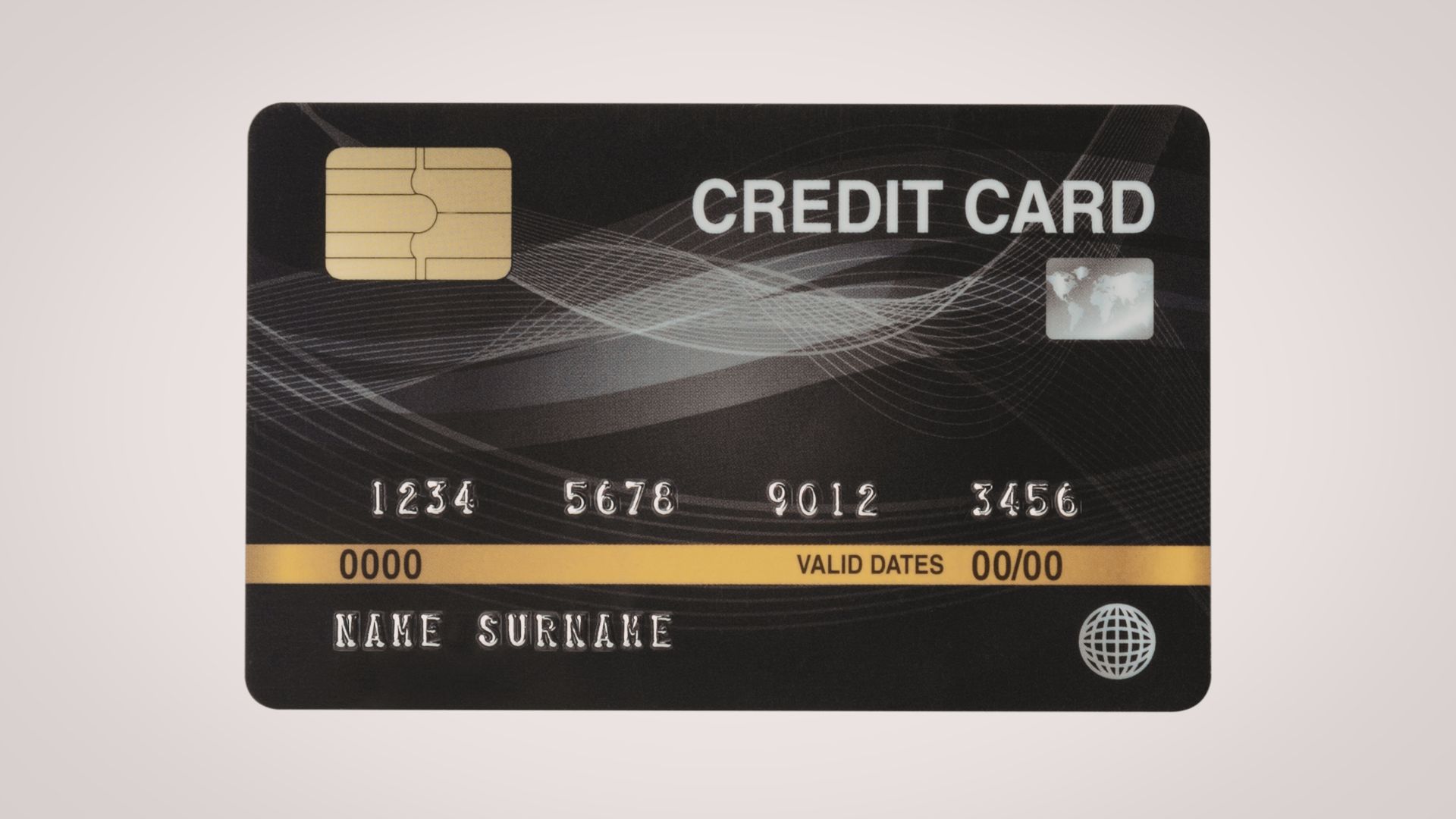
    A virtual debit card is a digital representation of a traditional debit card, designed to facilitate online transactions while enhancing security. Unlike physical cards, virtual debit cards lack a tangible form and are typically issued by financial institutions or payment service providers. Users receive a unique card number, expiration date, and security code, which can be used for online purchases.

    These cards operate by drawing funds directly from a linked bank account, similar to standard debit cards. Upon transaction completion, the amount is deducted from the account balance.

    Additionally, they often include features such as temporary numbers for added security, minimizing the risk of fraud. Overall, virtual debit cards offer a convenient and secure method for managing online payments.

    Key Benefits of Using Virtual Debit Cards in South Africa

    Utilizing virtual debit cards in South Africa presents numerous advantages for consumers navigating the digital payment landscape.

    These cards offer enhanced security, as they generate unique card numbers for each transaction, minimizing the risk of fraud.

    Furthermore, they facilitate budgeting by allowing users to preload specific amounts, preventing overspending and promoting financial discipline.

    Virtual debit cards are also highly convenient, enabling instant online access without the need for physical cards, which can be lost or stolen.

    Additionally, they often come with lower fees compared to traditional banking options, making them a cost-effective choice for online transactions.

    Smart Expense Management for Remote Teams

    Managing expenses across a distributed team presents unique challenges — how do you give employees the tools they need to pay for work-related items while maintaining control over company spending? The answer for many modern businesses is to buy reloadable virtual cards and assign them to individual team members with preset spending limits. This approach eliminates the need to share a single company card, reduces the risk of unauthorized purchases, and creates a clear, auditable record of who spent what and where. It’s expense management that scales with your team without adding administrative burden.

    How to Use Your Virtual Debit Card for Online Shopping

    When using a virtual debit card for online shopping, individuals must first select a card that suits their needs.

    Ensuring transaction security is crucial to protect personal information and funds.

    Additionally, effective management of expenses can help users maintain financial control and avoid overspending.

    Choosing the Right Card

    Choosing the right virtual debit card for online shopping is crucial, as it directly influences both security and convenience. Factors to consider include fees, transaction limits, and compatibility with various online retailers.

    Users should assess whether the card offers features such as instant issuance and customizable spending limits. It is also important to evaluate the card provider’s reputation and customer support services.

    Some virtual debit cards provide additional perks, such as cashback rewards or discounts with specific merchants, which can enhance the shopping experience.

    Additionally, users should ensure that the card can be easily linked to their preferred payment platforms. By carefully selecting a virtual debit card, consumers can optimize their online shopping experience while maintaining financial security.

    Securing Your Transactions

    After selecting the right virtual debit card, the next step involves implementing strategies to secure transactions during online shopping.

    Users should ensure they are shopping on reputable websites with secure connections, indicated by “https” in the URL. Utilizing two-factor authentication adds an additional layer of security, requiring a secondary verification step during login.

    Regularly updating passwords and monitoring account activity for unauthorized transactions is also essential. Users should avoid public Wi-Fi when making purchases, as it can expose sensitive information to cyber threats.

    Finally, enabling transaction alerts can provide real-time notifications of card usage, allowing users to act swiftly in case of suspicious activity.

    Adopting these measures significantly enhances transaction security while using a virtual debit card.

    Managing Your Expenses

    Utilizing a virtual debit card provides an effective method for managing expenses during online shopping. These cards allow users to set specific spending limits, thereby promoting financial discipline.

    Users can generate unique card numbers for each transaction, enhancing security and simplifying budget tracking. By linking the virtual card to a dedicated account, individuals can monitor expenditures in real-time, making it easier to adhere to monthly budgets.

    Additionally, many virtual debit card providers offer expense categorization tools, further assisting users in understanding their spending habits. Notifications for transactions can also be activated, ensuring users remain informed about their purchases.

    Steps to Obtain a Virtual Debit Card in South Africa

    Obtaining a virtual debit card in South Africa involves a series of straightforward steps designed to streamline the process. Users can follow these essential actions to secure their virtual debit card efficiently:

    • Choose a Provider: Research and select a reputable financial institution or fintech that offers virtual debit cards.
    • Complete the Application: Fill out the online application form with accurate personal and financial information.
    • Verify Identity: Submit required identification documents for verification purposes, ensuring compliance with regulations.
    • Receive Card Details: Upon approval, users will receive their virtual debit card details via email, enabling immediate use for online transactions.

    Best Virtual Debit Card Providers in South Africa

    In evaluating the best virtual debit card providers in South Africa, it is essential to consider key features, pricing structures, and security measures.

    A thorough comparison of these aspects can guide users in selecting a provider that meets their needs.

    Understanding these elements will facilitate informed decision-making in an increasingly digital financial landscape.

    Top Features Overview

    The landscape of virtual debit cards in South Africa is marked by a variety of providers offering distinct features tailored to meet diverse consumer needs. Each provider brings unique advantages that enhance user experience and accessibility.

    Key features commonly found among top providers include:

    • Instant Issuance: Users can receive their virtual cards immediately upon application, facilitating quick access to funds.
    • Increased Security: Enhanced fraud protection measures, such as one-time use card numbers, ensure safer online transactions.
    • Multi-Currency Support: Many cards allow users to transact in various currencies, catering to international purchases seamlessly.
    • Budgeting Tools: Integrated budgeting features help users manage their spending effectively, promoting financial discipline.

    These features collectively empower consumers to navigate their financial activities with greater ease and confidence.

    Pricing and Fees Comparison

    Pricing and fees for virtual debit cards in South Africa can vary significantly among providers, impacting consumer choice. Most providers charge an initial setup fee, ranging from zero to a nominal amount, followed by monthly maintenance fees that can fluctuate between R10 and R100.

    Transaction fees also differ; some providers may offer unlimited transactions, while others impose fees per transaction, typically around R5 to R15. Additionally, currency conversion fees may apply for international purchases, often around 2% to 3% above the market rate.

    It is crucial for consumers to compare these costs carefully, as they can influence overall spending and value, depending on individual usage patterns and preferences.

    Security Measures Explained

    Numerous virtual debit card providers in South Africa prioritize security by implementing robust measures to protect users. These measures ensure that financial transactions remain safe and secure in an increasingly digital landscape.

    • Encryption Technology: Data is encrypted to safeguard personal and financial information during transactions.
    • Two-Factor Authentication: Users are required to verify their identity through additional means, enhancing account security.
    • Fraud Monitoring: Continuous monitoring systems detect and alert users to suspicious activities on their accounts.
    • Instant Card Freeze: Users can instantly freeze their virtual debit card if unauthorized access is suspected.

    Which Virtual Debit Card Offers the Best Features?

    What features should one prioritize when selecting a virtual debit card? Key considerations include security, ease of use, transaction fees, and customer support.

    A robust security framework, such as two-factor authentication and encryption, is essential to safeguard financial information. User-friendly interfaces and mobile app compatibility enhance accessibility and convenience.

    Additionally, understanding transaction fees is crucial; some cards impose monthly fees, while others may charge for international transactions. Comprehensive customer support, including responsive service channels, is vital for resolving issues promptly.

    Furthermore, features like virtual card generation for single-use transactions and budgeting tools can significantly enhance the user experience. Evaluating these factors will enable individuals to choose a virtual debit card that aligns with their financial needs and preferences.

    How to Troubleshoot Your Virtual Debit Card

    Troubleshooting a virtual debit card can be essential when users encounter issues such as declined transactions or difficulties accessing their accounts.

    Identifying and resolving these problems promptly can enhance the user experience and facilitate smoother transactions.

    Consider the following steps for effective troubleshooting:

    • Verify Account Balance: Ensure that sufficient funds are available in the linked account.
    • Check Expiration Date: Confirm that the card has not expired, as this can lead to declined transactions.
    • Review Transaction Limits: Be aware of any daily or monthly spending limits imposed by the card provider.
    • Contact Customer Support: If issues persist, reaching out to customer service can provide specific guidance tailored to the situation.

    Following these steps can help users efficiently resolve common issues with their virtual debit cards.

    Security Features of Virtual Debit Cards Explained

    The security features of virtual debit cards play a crucial role in safeguarding users’ financial information.

    Key elements such as encryption technology, transaction monitoring systems, and one-time use numbers enhance protection against fraud and unauthorized access.

    Understanding these features is essential for users seeking to maximize their security while conducting online transactions.

    Encryption Technology Benefits

    Virtual debit cards leverage advanced encryption technology to enhance security and protect users’ sensitive information. This technology ensures that transactions remain confidential and secure from unauthorized access.

    The benefits of encryption in virtual debit cards include:

    • Data Protection: Safeguards personal and financial information during online transactions.
    • Fraud Prevention: Reduces the risk of fraudulent activities by making data unreadable to cybercriminals.
    • Secure Communication: Establishes a secure channel between the user and the merchant, ensuring data integrity.
    • User Privacy: Minimizes exposure of sensitive information, providing users with greater confidence when making purchases.

    Transaction Monitoring Systems

    Enhancing security, transaction monitoring systems play a critical role in the functionality of virtual debit cards. These systems continuously analyze transactions in real time, identifying unusual patterns or anomalies that may indicate fraudulent activity.

    By utilizing advanced algorithms and machine learning, they assess transaction data against established behavioral norms, enabling timely alerts and responses.

    Additionally, transaction monitoring systems contribute to regulatory compliance by ensuring that financial institutions adhere to anti-money laundering (AML) and know-your-customer (KYC) requirements.

    This proactive approach not only protects users from unauthorized access but also fosters trust in digital financial services.

    One-Time Use Numbers

    One-time use numbers represent a significant advancement in the security features of virtual debit cards. These unique identifiers enhance transaction security by minimizing the risk of fraud.

    When utilized, they provide several key benefits:

    • Limited exposure: Each number is valid for a single transaction, reducing the potential for misuse.
    • Enhanced privacy: Users can maintain anonymity by not sharing their primary card information.
    • Fraud mitigation: In the event of unauthorized use, the damage is contained to a single transaction.
    • Ease of management: Users can generate numbers easily through their banking app, streamlining the purchasing process.

    Managing Your Finances With a Virtual Debit Card

    Managing finances effectively requires strategic tools, and a virtual debit card serves as an innovative solution. This financial instrument enables users to control spending by linking directly to their bank accounts. Users can set specific budgets and monitor transactions in real time, promoting responsible financial habits.

    Additionally, virtual debit cards enhance security, reducing the risk of fraud associated with physical cards. They facilitate online purchases without exposing sensitive information, allowing for greater peace of mind.

    Furthermore, users can generate temporary card numbers for one-time transactions, ensuring that their primary account details remain protected. Overall, a virtual debit card is a versatile tool that aids individuals in managing their finances more efficiently and securely.

    Debunking Myths About Virtual Debit Cards

    What misconceptions surround virtual debit cards? Many individuals hold incorrect beliefs that can hinder their understanding and use of these financial tools. Addressing these myths is essential for informed decision-making.

    • Virtual debit cards are only for online transactions.
    • They lack security compared to physical cards.
    • Users cannot access funds in real-time.
    • They are more expensive to maintain than traditional debit cards.

    In reality, virtual debit cards offer versatile usage, robust security features, immediate fund access, and often no additional costs. By dispelling these myths, consumers can leverage virtual debit cards effectively, enhancing their financial management strategies while enjoying the benefits of modern technology. Accurate information is crucial for maximizing the advantages of virtual debit cards.

    Canceling or Replacing Your Virtual Debit Card

    Canceling or replacing a virtual debit card can be a straightforward process, provided users follow the correct steps.

    To initiate cancellation, users should access their online banking platform or mobile application, where they can typically find an option to manage their debit cards. This may include options for cancellation or replacement. It is essential to confirm the cancellation, as some services may require additional verification for security purposes.

    For replacement, users often need to request a new card through the same platform, which may involve a nominal fee. Users should also ensure that any linked services or subscriptions are updated with the new card details to prevent disruptions in transactions.

    Timely action is crucial to maintain financial security.

    What’s Next for Virtual Debit Cards in South Africa?

    As the digital landscape evolves, the future of virtual debit cards in South Africa presents exciting prospects. These innovations promise to enhance consumer experiences and financial inclusivity.

    Key developments anticipated include:

    • Integration with mobile wallets: Facilitating seamless transactions and managing multiple accounts.
    • Enhanced security features: Utilizing biometrics and AI to mitigate fraud risks.
    • Broader acceptance: Expanding merchant partnerships to cater to diverse spending needs.
    • Tailored financial products: Offering personalized services, such as budgeting tools and loyalty rewards.

    These advancements suggest a shift towards more user-friendly and secure financial solutions, positioning virtual debit cards as a vital component of South Africa’s evolving payment ecosystem.

    The continued adoption will likely foster greater financial literacy and accessibility for all consumers.

    Tips for Maximizing the Benefits of Your Virtual Debit Card

    The increasing adoption of virtual debit cards in South Africa opens up numerous opportunities for users to enhance their financial management.

    To maximize benefits, users should first utilize budgeting tools linked to their virtual cards, enabling real-time tracking of expenses.

    Secondly, they should take advantage of security features, such as transaction alerts and spending limits, to safeguard their finances.

    Additionally, users are encouraged to explore cashback and loyalty programs offered by merchants, enhancing the value received from purchases.

    Regularly updating passwords and monitoring account activity will further bolster security.

    Lastly, users should stay informed about any fees associated with their virtual card to avoid unexpected charges, thereby ensuring optimal financial efficiency.

    Frequently Asked Questions

    Are Virtual Debit Cards Accepted Internationally?

    Virtual debit cards are generally accepted internationally, provided they are linked to major payment networks like Visa or MasterCard. However, acceptance may vary by merchant and region, requiring users to verify compatibility beforehand.

    Can I Link My Virtual Debit Card to Mobile Wallets?

    Ironically, while virtual debit cards offer convenience, linking them to mobile wallets is often limited. Many platforms may restrict this functionality, leaving users to navigate unexpected hurdles despite the promise of seamless digital integration.

    What Happens if I Lose My Virtual Debit Card Details?

    If virtual debit card details are lost, the cardholder should immediately contact their financial institution to report the loss. This action can help prevent unauthorized transactions and facilitate the issuance of a new card.

    Are There Age Restrictions for Obtaining a Virtual Debit Card?

    Age restrictions for obtaining a virtual debit card often resemble a secret club’s bouncer—typically, users must be at least 16 or 18 years old, depending on the financial institution’s policies and regulations.

    Can I Use My Virtual Debit Card for Subscriptions?

    A virtual debit card can be used for subscriptions, provided the merchant accepts it. Users should ensure sufficient funds are available, as recurring charges will be deducted from the linked account automatically.

    Conclusion

    In conclusion, virtual debit cards offer a secure and convenient solution for online transactions in South Africa, addressing concerns about fraud and financial privacy. While some may worry about their usability, these cards are increasingly accepted by merchants, ensuring a seamless shopping experience. By leveraging the benefits of virtual debit cards, users can enhance their financial management while enjoying peace of mind. As digital payments continue to evolve, adopting a virtual debit card may prove to be a prudent choice.

  • Craft King Bangladesh Crafts – Creative Items Online

    Craft King Bangladesh Crafts – Creative Items Online

    Craft King is an online platform in Bangladesh that provides handmade products, DIY materials, and creative craft supplies. The system is structured for product browsing, ordering, and nationwide delivery.

    Craft King Bangladesh Crafts focuses on providing creative items for education, decoration, gifting, and small business use. The platform organizes products into defined categories with measurable specifications and availability data.

    Craft King operates as a centralized digital marketplace for craft-related materials and products.

    Product Categories and Material Specifications

    Craft King includes structured categories such as paper crafts, resin kits, painting tools, adhesives, and decorative items.

    Paper craft products are defined by GSM levels such as 120 GSM, 160 GSM, and 250 GSM. Resin kits include curing times between 12 and 48 hours depending on formulation. Paint materials include acrylic and water-based types with volume measured in milliliters.

    Craft King provides product attributes such as size in centimeters, weight in grams, color variations, and pack quantity. These technical details support accurate product selection and standardized comparison.

    Craft King organizes all items into structured categories for efficient browsing.

    Digital Platform and Access System

    Craft King operates through a web-based and mobile-friendly platform.

    The system provides 24-hour access to product listings. Users can search, filter, and compare items based on technical specifications.

    Craft King includes cart systems, automated invoice generation, and order confirmation workflows. Each order follows a structured digital process from selection to delivery.

    Craft King enables users to complete shopping without physical store visits.

    Order Processing and Delivery System

    Craft King processes orders through a centralized fulfillment system. Each order is verified before packaging and shipment.

    Delivery coverage includes urban and rural regions of Bangladesh. Courier partners manage transportation and last-mile delivery.

    Standard delivery time ranges from 2 to 5 working days. In metropolitan areas, delivery may be completed within 48 hours depending on logistics conditions.

    Tracking systems are available for most shipments to monitor delivery progress.

    Payment Methods and Transaction System

    Craft King supports multiple payment methods including cash on delivery and digital payment gateways.

    All transactions are processed through secure systems. Order confirmation is generated after successful verification or payment approval.

    Craft King maintains structured digital records for each transaction to support order tracking and service management.

    Customer Segments and Usage Areas

    Craft King serves multiple user groups including students, teachers, artisans, and small business operators.

    Students use Craft King materials for academic projects. Teachers use craft supplies for classroom activities. Small businesses use materials for handmade product production and resale.

    Craft King also supports seasonal demand during festivals and cultural events where craft products are widely used.

    Inventory Management and Product Availability

    Craft King maintains a structured inventory system. Product availability is updated based on supplier stock levels and demand patterns.

    Items are categorized by material type, usage frequency, and supply stability. This system ensures consistent availability of essential craft materials.

    Craft King updates product listings regularly to reflect stock changes and pricing adjustments.

    FAQ

    What is Craft King Bangladesh Crafts

    Craft King is an online platform in Bangladesh that provides handmade products, DIY materials, and creative craft supplies through its digital system.

    What types of products are available

    It includes paper crafts, resin kits, painting tools, adhesives, and decorative items.

    What is the delivery time

    Delivery usually takes 2 to 5 working days depending on location.

    What payment methods are supported

    Craft King supports cash on delivery and digital payment options.

    Conclusion

    Craft King Bangladesh Crafts operates as a structured digital platform for creative items in Bangladesh. Craft King provides categorized products, measurable specifications, and a complete online ordering system. The platform supports nationwide delivery, secure transactions, and organized inventory control. Craft King continues to serve students, educators, artisans, and businesses through consistent access to craft materials and reliable service delivery.

  • Best Female Doctors in Bangladesh for Specialized Care

    Best Female Doctors in Bangladesh for Specialized Care

    Healthcare services in Bangladesh include a large number of qualified female doctors across different specialties. These professionals work in government hospitals, private clinics, and specialized medical centers. Patients can access care for women’s health, child care, and general medical conditions. Finding the Best doctor in Bangladesh depends on qualifications, specialization, and hospital facilities.

    This guide provides factual information to help patients identify experienced female doctors for specialized care.

    Role of Female Doctors in Bangladesh

    Female doctors play an important role in the healthcare system of Bangladesh. They provide medical services in gynecology, pediatrics, dermatology, internal medicine, and surgery. Many patients prefer female doctors for sensitive health issues, especially in women’s health and maternity care.

    The Bangladesh Medical and Dental Council ensures that female doctors meet the same professional standards as all registered medical practitioners. Only licensed doctors are allowed to provide treatment.

    Major Cities with Female Specialists

    Most female doctors are concentrated in urban areas. Cities such as Dhaka, Chittagong, and Sylhet have hospitals with female specialists in multiple disciplines.

    These cities offer advanced medical facilities, including diagnostic centers, maternity units, and surgical departments. Rural areas also have female general physicians, but access to specialists may be limited.

    Specialties of Female Doctors

    Female doctors in Bangladesh specialize in different medical fields. Gynecologists and obstetricians focus on women’s reproductive health, pregnancy, and childbirth. Pediatricians treat infants and children.

    Dermatologists handle skin, hair, and nail conditions. General physicians provide primary care for common illnesses. Some female doctors also work in cardiology, neurology, and surgery.

    Choosing the right specialty is important when searching for the Best doctor in Bangladesh for specific medical conditions.

    Qualifications and Medical Training

    Female doctors must complete an MBBS degree from a recognized medical college. Many pursue postgraduate degrees such as FCPS, MD, or MS to specialize in a particular field.

    Some female doctors receive international training, which enhances their clinical knowledge and exposure to advanced treatment methods. Experience is measured by years of practice and patient outcomes.

    Patients looking for the Best doctor in Bangladesh should verify qualifications and specialization before selecting a doctor.

    Hospital Facilities and Support Systems

    Female doctors work in both government and private hospitals. Government hospitals provide affordable healthcare services and serve a large number of patients. Private hospitals offer advanced technology, shorter waiting times, and specialized care units.

    Facilities such as ultrasound, MRI, CT scan, and laboratory services support accurate diagnosis. Intensive care units and operation theaters are available in major hospitals.

    Doctors working in well equipped hospitals are more likely to provide effective treatment. This increases the chances of finding the Best doctor in Bangladesh.

    Access to Female Doctors

    Patients can access female doctors through hospital appointments, referrals, and digital platforms. Many hospitals provide online booking systems and telemedicine services.

    Telemedicine allows patients to consult female doctors remotely through phone or video. This is useful for patients who cannot travel to major cities.

    Online platforms display verified profiles of doctors, including qualifications, experience, and consultation fees. These systems help patients connect with the Best doctor in Bangladesh efficiently.

    Cost of Consultation and Treatment

    The cost of medical services in Bangladesh varies based on specialization and hospital type. General consultation fees range from 300 to 1000 BDT. Specialist consultation fees range from 800 to 3000 BDT.

    Private hospitals charge higher fees due to advanced facilities. Government hospitals offer lower-cost services but may have longer waiting times.

    Understanding cost factors helps patients choose the Best doctor in Bangladesh within their financial capacity.

    FAQ

    Why do patients prefer female doctors in Bangladesh
    Patients often prefer female doctors for gynecological care, maternity services, and privacy-related concerns.

    How can I find a female doctor in Bangladesh
    You can search through hospital directories, online platforms, or referrals.

    Are female doctors available in rural areas
    Yes, but mostly as general physicians. Specialists are concentrated in cities.

    What is the average consultation fee
    Fees range from 300 to 3000 BDT depending on the doctor and hospital.

    Can I consult a female doctor online
    Yes, many hospitals offer telemedicine services for remote consultation.

    Conclusion

    Bangladesh has a growing number of qualified female doctors across various medical specialties. These professionals provide essential healthcare services in both urban and rural areas. Patients can access care through hospitals, clinics, and digital platforms.

    By evaluating qualifications, experience, and hospital facilities, patients can identify the Best doctor in Bangladesh for their needs. Access to modern healthcare systems and trained professionals ensures reliable treatment. Choosing the Best doctor in Bangladesh helps ensure quality care and effective medical outcomes.

  • Find Trusted Doctors in Bangladesh for Accurate Diagnosis

    Find Trusted Doctors in Bangladesh for Accurate Diagnosis

    Accurate diagnosis is the first step in effective medical treatment. Patients require qualified healthcare professionals who can evaluate symptoms, conduct clinical examinations, and recommend appropriate treatment plans. In Bangladesh, healthcare services operate through government hospitals, private hospitals, diagnostic centers, and community clinics. The country serves more than 170 million people, which creates strong demand for reliable medical consultation. Many individuals search for Doctors in Bangladesh who can provide accurate diagnosis and professional healthcare guidance.

    The healthcare system in Bangladesh has expanded significantly during the last two decades. Medical universities, teaching hospitals, and private healthcare institutions have increased the number of trained physicians. These developments allow patients to connect with Doctors in Bangladesh across various medical specialties such as cardiology, dermatology, pediatrics, internal medicine, and surgery.

    Medical Education and Licensing System

    Doctors practicing in Bangladesh must complete formal medical education and professional registration. The regulatory authority responsible for physician licensing is the Bangladesh Medical and Dental Council. This organization maintains the official registry of licensed doctors and dentists.

    The basic qualification required for medical practice is the MBBS degree. Medical education typically requires five academic years of study at a recognized medical college. After graduation, doctors complete a compulsory one year internship in a hospital environment. This internship provides practical clinical training in multiple medical departments.

    After completing the internship, graduates apply for registration with the Bangladesh Medical and Dental Council. Registration confirms that the physician is legally authorized to practice medicine.

    Many Doctors in Bangladesh also pursue postgraduate training such as FCPS, MD, or MS degrees. These advanced programs provide specialization in areas including cardiology, neurology, dermatology, pediatrics, orthopedics, and general surgery.

    Hospitals and Diagnostic Centers

    Hospitals and diagnostic centers are essential for accurate diagnosis and medical treatment. Large hospitals maintain advanced laboratories, imaging technology, and specialized departments that assist doctors in evaluating medical conditions.

    Several recognized hospitals in Bangladesh include:

    Dhaka Medical College Hospital
    Square Hospitals Ltd.
    United Hospital Limited

    These hospitals provide outpatient consultation, inpatient treatment, surgical services, and diagnostic testing. Patients visiting these facilities can consult Doctors in Bangladesh who work in specialized clinical departments.

    Diagnostic centers also support medical evaluation through laboratory tests, imaging services, and health screenings. These facilities help doctors confirm diagnoses and develop appropriate treatment plans.

    Digital Healthcare Platforms for Doctor Search

    Digital healthcare platforms have simplified the process of locating medical professionals. Many healthcare websites and mobile applications now provide searchable doctor directories. These platforms display information about qualifications, specialization, hospital affiliation, and consultation schedules.

    Patients can search Doctors in Bangladesh according to location, hospital name, or medical department. Online appointment systems allow users to schedule consultations in advance and reduce waiting time at hospitals.

    Telemedicine services have also expanded across Bangladesh. Doctors now provide online consultations through video calls and healthcare applications. This system allows patients to receive medical advice without traveling long distances, especially in rural areas.

    Secure digital platforms also help patients review doctor credentials before selecting a consultation.

    Factors That Support Accurate Diagnosis

    Accurate diagnosis depends on several important factors. Educational qualifications confirm the doctor’s academic background and professional knowledge. Registration with the Bangladesh Medical and Dental Council ensures that the physician is legally authorized to practice medicine.

    Clinical experience is also important. Doctors who have worked for many years in hospitals and clinics often develop stronger diagnostic abilities.

    Medical specialization plays a significant role as well. Cardiologists evaluate heart diseases, dermatologists diagnose skin conditions, and orthopedic surgeons manage bone and joint disorders.

    Many Doctors in Bangladesh practice in major cities such as Dhaka, Chattogram, and Sylhet where large hospitals, medical universities, and diagnostic centers operate.

    FAQ

    How can patients verify doctor registration in Bangladesh

    Patients can verify physician registration through the official registry maintained by the Bangladesh Medical and Dental Council.

    What qualifications do most doctors in Bangladesh have

    Most Doctors in Bangladesh hold an MBBS degree from a recognized medical college. Many specialists also complete postgraduate training such as FCPS, MD, or MS.

    Are online doctor consultation services available in Bangladesh

    Yes. Telemedicine platforms allow patients to consult doctors through video calls and healthcare applications.

    Which cities in Bangladesh have the largest number of hospitals and specialist doctors

    Major cities such as Dhaka, Chattogram, and Sylhet contain the largest number of hospitals, diagnostic centers, and specialist medical facilities.

    Conclusion

    Accurate diagnosis is a critical part of effective healthcare. Bangladesh has a growing healthcare infrastructure that includes hospitals, diagnostic centers, and digital healthcare platforms. Patients searching for professional medical consultation should verify doctor qualifications, confirm BMDC registration, and review hospital affiliations.

    Careful evaluation helps individuals identify qualified Doctors in Bangladesh who can provide accurate diagnosis and appropriate treatment. Access to verified medical professionals ensures reliable healthcare services across hospitals and clinics throughout the country.

  • Modern Pet-Friendly Homes in Agnes Water Near the Beach

    Modern Pet-Friendly Homes in Agnes Water Near the Beach

    Pet-Friendly Homes in Agnes Water near the beach attract buyers seeking coastal living with secure outdoor space for pets. Agnes Water is a coastal town in Queensland, Australia, within the Gladstone Region. The town has approximately 2,700 residents and offers low-density residential estates, beach access, and semi rural properties. Modern Pet-Friendly Homes in Agnes Water combine contemporary design, durable materials, and practical layouts suitable for families and pet owners.

    Coastal Property Features

    Modern homes near the beach typically include three to four bedrooms, two bathrooms, and open-plan living areas. Block sizes range from 600 m² to over 1,200 m², providing sufficient space for outdoor activity. Covered patios, internal laundry rooms, and double garages are common features.

    Fencing is essential to contain pets. Heights usually range from 1.5 to 1.8 meters. Gates should close securely without gaps. Materials such as Colorbond steel, timber, and treated mesh are commonly used to withstand coastal conditions. Shaded areas protect pets from summer temperatures reaching 30°C.

    Pet-Friendly Homes in Agnes Water near the beach often incorporate durable flooring, such as tile, vinyl plank, or sealed concrete. These surfaces resist moisture, scratches, and sand intrusion from coastal environments.

    Council Regulations and Legal Compliance

    Agnes Water falls under the Gladstone Regional Council planning scheme. Dog registration is mandatory in Queensland. Microchipping is required for ownership transfer. Most residential properties allow up to 2 dogs without additional approval, while more pets may require council permits.

    Noise regulations apply to barking and other disturbances. Compliance is necessary to avoid fines. Rental properties follow Queensland tenancy reforms, allowing tenants to request pet approval. Landlords must provide legal reasons if refusing permission.

    Access to Beaches and Outdoor Spaces

    Agnes Water Main Beach includes dog-friendly areas during approved hours. Residential zones near the beach are typically within 500 meters of walking tracks and open reserves. Access to parks and trails supports daily exercise for pets and outdoor activities for families.

    Modern Pet-Friendly Homes in Agnes Water often balance proximity to the coast with practical considerations, such as flood mapping and drainage systems to handle the town’s average annual rainfall of 900 mm.

    Infrastructure and Environmental Considerations

    Homes near the beach are connected to town water, electricity, and sewage. Coastal exposure may affect fencing, roofing, and external surfaces. Regular inspection and maintenance ensure long-term durability. Proper grading and drainage systems prevent yard flooding and maintain usable outdoor space.

    Insurance coverage should be reviewed for pet-related exclusions. Public liability insurance is recommended for dog owners. Modern homes with durable finishes and secure outdoor areas reduce long-term maintenance costs.

    FAQ

    How close are pet-friendly homes to the beach?

    Many modern homes are within 500 meters to 1 km of Agnes Water Main Beach.

    How many pets are allowed?

    Most residential properties allow up to 2 dogs. Council approval may be required for additional pets.

    Are there designated dog-friendly beach areas?

    Yes. Certain sections of Agnes Water Main Beach allow dogs during approved hours.

    What fencing height is recommended for coastal homes?

    Fences between 1.5 and 1.8 meters are standard for safe containment of pets.

    Conclusion

    Modern Pet-Friendly Homes in Agnes Water near the beach offer secure living spaces, coastal access, and practical layouts suitable for families and pets. Key considerations include block size, fencing, zoning compliance, drainage systems, and durable materials to withstand coastal conditions. Proximity to parks, walking trails, and dog-friendly beach areas enhances daily convenience. Evaluating these factors ensures safe, durable, and comfortable living in Agnes Water.

  • Stay Prepared with These Local Emergency Contacts

    Stay Prepared with These Local Emergency Contacts

    Being prepared for emergencies starts with having reliable contact information. Quick access to verified police, fire, and medical services reduces risk, protects property, and saves lives. Emergency systems operate 24 hours per day and 7 days per week. Accurate numbers and clear communication allow for faster response and effective coordination during critical situations.

    This guide provides essential local emergency contacts that every resident should store and use when necessary.

    National Emergency Numbers

    National emergency numbers connect residents to centralized dispatch centers. These centers coordinate police, fire departments, and emergency medical services efficiently.

    In the United States, the main emergency number is 911. Calls are routed to the nearest Public Safety Answering Point using mobile or landline location data. The service is free.

    In the European Union, the standard emergency number is 112. It operates across all 27 EU member states and supports multiple languages for quick assistance.

    In Bangladesh, residents use 999. This connects callers to police, fire services, and ambulance support throughout the country.

    These numbers should be used only for serious emergencies, such as active crimes, major accidents, fires, and life-threatening medical conditions.

    Police and Law Enforcement Contacts

    Police departments respond to criminal activity, traffic accidents, public disturbances, and threats to personal safety. Emergency calls are required when immediate danger exists.

    Most communities provide non-emergency police numbers for minor theft, lost property, noise complaints, and other non-urgent matters. Using these lines ensures the main emergency number remains available for critical incidents.

    Residents should store both emergency and non-emergency police contacts. Providing accurate location and incident details helps dispatchers respond quickly.

    Fire Department and Rescue Services

    Fire departments manage structural fires, vehicle fires, gas leaks, and hazardous material incidents. Fire can spread rapidly, doubling in size within 30 to 60 seconds in enclosed areas.

    Fire services also perform rescue operations during floods, earthquakes, building collapses, and road accidents. Urban departments typically aim for response times within 5 to 8 minutes.

    Residents should report visible smoke, flames, electrical hazards, or strong gas odors immediately.

    Emergency Medical Services and Ambulance Contacts

    Emergency Medical Services provide urgent care and hospital transport. Ambulances are equipped with oxygen systems, defibrillators, cardiac monitors, and trained paramedics.

    Medical emergencies include chest pain, breathing difficulty, stroke symptoms, severe bleeding, unconsciousness, and serious injuries. Response within 3 to 5 minutes in cardiac arrest cases significantly improves survival.

    Residents should also maintain contact details for nearby hospitals, urgent care centers, and ambulance services.

    Utility and Public Health Emergency Contacts

    Utility providers manage gas, electricity, and water emergencies. Gas leaks pose a high risk of explosion. Electrical hazards or downed power lines should be reported immediately. Water authorities respond to pipe bursts and contamination issues.

    Poison control centers provide guidance for chemical or medication exposure. Public health hotlines offer verified advice during outbreaks or vaccination campaigns. These numbers should be accessible to all family members.

    Disaster Management and Local Authority Contacts

    Local disaster management authorities coordinate responses to floods, storms, earthquakes, and cyclones. They provide evacuation instructions, shelter locations, and safety updates.

    Residents in high-risk areas should store disaster control room numbers and monitor official announcements. Early alerts reduce injury and property loss.

    Prepared households and communities respond more effectively during large-scale emergencies.

    Maintaining and Updating Emergency Contacts

    Emergency numbers should be saved in mobile phones and printed in visible household locations. Many smartphones allow emergency contact access from the lock screen.

    All household members should know when and how to call emergency services. Contact lists should be reviewed at least once every 12 months or after relocation.

    Accurate and accessible information ensures faster, coordinated responses and strengthens overall safety.

    FAQ

    What is the main emergency number to call?

    The main number depends on your country. Examples include 911 in the United States, 112 in the European Union, and 999 in Bangladesh.

    Are emergency calls free?

    Emergency calls are free in most countries from both mobile phones and landlines.

    When should non-emergency police numbers be used?

    Non-emergency numbers are for incidents that do not involve immediate danger or threat to life.

    How often should emergency contact lists be updated?

    Emergency contacts should be reviewed annually or after relocating to a new address.

    Conclusion

    Staying prepared with verified local emergency contacts is essential for personal and community safety. National systems like 911, 112, and 999 provide immediate access to trained responders for police, fire, and medical emergencies.

    Maintaining updated contact information ensures rapid response, reduces risk, and strengthens overall safety for individuals, families, and communities. Clear communication and correct use of these services improve outcomes during critical situations.

  • How to Improve Guest Satisfaction with Holiday Home Services

    How to Improve Guest Satisfaction with Holiday Home Services

    Improving guest satisfaction in holiday homes is essential for high ratings, repeat bookings, and positive reviews. Short-term rentals, typically ranging from 1 to 14 nights, require efficient service delivery and consistent guest care. Focusing on guest experience, communication, cleanliness, safety, and support ensures that stays meet or exceed expectations.

    Understanding Guest Satisfaction

    Holiday home guest services satisfaction reflects how well a property meets the expectations of its visitors. Platforms such as Airbnb, Vrbo, and Booking.com evaluate guest experience using reviews, response times, and issue resolution. High guest satisfaction increases property ranking, occupancy rates, and long-term revenue. Key factors include ease of check-in, quality of amenities, cleanliness, responsiveness to issues, and overall comfort.

    Effective Pre-Arrival Communication

    Pre-arrival communication sets expectations and reduces confusion. Guests should receive all necessary information 24 to 48 hours before arrival. This includes property address, check-in instructions, Wi-Fi credentials, parking details, and emergency contact numbers.

    Automated messaging systems improve accuracy and ensure consistent communication. Pre-arrival property checks confirm that the home is clean, safe, and fully equipped. Providing local information, such as transport options, nearby shops, and medical facilities, enhances the guest experience.

    Smooth Check-In Process

    A seamless check-in improves guest satisfaction. Most holiday homes use smart locks, digital access codes, or key safes for efficient entry. Access codes should be unique for each booking and active only during the stay.

    Clear instructions with visual aids help guests enter the property independently. Staff or property managers should be available during check-in hours, with response times under 15 minutes for any issues. Ensuring that utilities, heating, and air conditioning function properly at check-in is critical for comfort.

    Guest Support During the Stay

    Responsive guest support is a key factor in satisfaction. Guests may need assistance with appliances, internet, plumbing, heating, or local information.

    Urgent issues such as water leaks, power outages, or heating failures should be addressed within 60 minutes. Non-urgent requests should be resolved within 24 hours. Detailed house manuals reduce repeated questions and improve operational efficiency. Emergency procedures, including fire exits, medical contacts, and utility shut-offs, should be clearly visible.

    Housekeeping and Cleanliness Standards

    Cleanliness directly impacts guest ratings. Professional cleaning must occur after every checkout, with turnover times ranging from 4 to 6 hours depending on property size.

    Checklists ensure consistent cleaning of bedrooms, bathrooms, kitchens, and high-touch surfaces. Linens and towels should be washed at temperatures above 60°C to eliminate bacteria and allergens. Post-cleaning inspections prevent missed areas and reduce complaints.

    Maintenance and Safety Measures

    Preventive maintenance ensures a safe and comfortable stay. Inspections should occur before arrival and after checkout. Key areas include plumbing, electrical systems, HVAC units, and door locks.

    Smoke detectors and carbon monoxide alarms should be tested monthly. Fire extinguishers must be accessible and current with inspection dates. Maintenance logs document inspections and repairs, supporting accountability and insurance compliance.

    Checkout and Post-Stay Engagement

    Clear checkout instructions improve efficiency and reduce guest frustration. Guests should know departure time, key return procedures, waste disposal, and appliance shutdown.

    Automated reminders help prevent late checkouts. Post-stay inspections identify damage, missing items, or maintenance needs. Security deposits should be processed promptly. Follow-up communication gathers feedback, encourages reviews, and identifies areas for service improvement.

    Technology and Service Management

    Technology enhances guest satisfaction by streamlining operations. Property management systems centralize reservations, messaging, access control, and service scheduling.

    Automation reduces manual tasks and errors. Service logs and guest profiles improve organization. Data analytics track response times, service requests, and guest satisfaction scores, allowing managers to address issues proactively and maintain consistent service across multiple properties.

    Compliance and Quality Standards

    Guest satisfaction relies on compliance with local regulations and platform requirements. This includes guest registration, occupancy limits, safety inspections, and tax reporting.

    Guest information must be securely stored according to data protection standards. Insurance coverage should include guest liability and property damage. Documented procedures ensure accountability and support continuous quality improvement.

    FAQ

    What factors influence guest satisfaction in holiday homes

    Guest satisfaction is influenced by check-in efficiency, responsiveness, cleanliness, maintenance, safety, and overall comfort.

    How fast should guest issues be resolved

    Urgent issues should be resolved within 60 minutes, and non-urgent issues within 24 hours.

    Can automation improve guest experience

    Yes. Automation streamlines communication, access control, and task management, reducing errors and delays.

    How important is cleanliness for guest satisfaction

    Cleanliness is a primary factor in reviews, repeat bookings, and platform ranking.

    Who manages guest satisfaction in holiday homes

    Guest satisfaction is managed by property owners, professional managers, or holiday home management companies.

    Conclusion

    Improving guest satisfaction in holiday homes requires structured processes, timely communication, and consistent service. Efficient pre-arrival communication, smooth check-in, responsive support during the stay, professional cleaning, preventive maintenance, and post-stay engagement ensure high guest satisfaction. Well-managed services lead to positive reviews, repeat bookings, and long-term rental success.

  • Self-Contained 1770 Beach Accommodation for Extended Stays

    Self-Contained 1770 Beach Accommodation for Extended Stays

    1770 Beach is a coastal destination in Queensland, Australia. It is known for calm waters, long sandy beaches, and convenient access to local amenities. Self-contained accommodation in 1770 Beach supports extended stays by providing independent facilities, practical layouts, and essential comforts. This guide explains self-contained accommodation options suitable for longer visits.

    Overview of Self-Contained Accommodation in 1770 Beach

    Self-contained 1770 Beach accommodation includes serviced apartments, holiday homes, and villas with full living facilities. Most properties are located within 500 meters to 2 km of the beach and essential services.

    Accommodation sizes range from 60 m² to 250 m². Properties are designed for stays exceeding three nights and are equipped to meet daily living requirements.

    Serviced Apartments for Extended Stays

    Serviced apartments provide independent living with additional management support. These units are suitable for couples, small families, or solo travelers staying for several days or weeks.

    Standard features include:

    • Fully equipped kitchens
    • Open-plan living and dining areas
    • Laundry facilities
    • Private balconies or terraces

    Apartment sizes usually range from 55 m² to 140 m². Many buildings include secure parking and lift access.

    Holiday Homes With Full Facilities

    Holiday homes provide full-property access and complete self-sufficiency. These properties are ideal for families or groups requiring space for extended stays.

    Common features include:

    • 2 to 5 bedrooms
    • Multiple bathrooms
    • Large kitchens and dining areas
    • Private outdoor spaces and fenced yards

    Home sizes generally range from 120 m² to 250 m². Many homes are located within quiet residential streets near beaches and shops.

    Villas Suitable for Long-Term Visitors

    Villas offer private and spacious layouts suitable for longer visits. Many are positioned near low-traffic areas or elevated coastal locations.

    Key villa features include:

    • 3 to 6 bedrooms
    • Multiple bathrooms
    • Private swimming pools
    • Ocean or garden views
    • Secure parking

    Villa sizes often exceed 180 m². Some villas include terraces or patios for outdoor living.

    Interior Features Supporting Extended Stays

    Self-contained accommodation includes features that support comfort and convenience over longer periods.

    Common interior features include:

    • Climate control systems
    • Sound-insulated rooms
    • Quality bedding and furniture
    • Ample storage
    • Easy-clean surfaces

    These features allow guests to maintain daily routines efficiently.

    Location Benefits for Extended Stays

    Self-contained properties are located near beaches, shopping centers, and local services. This reduces travel time and enhances convenience for extended stays.

    Most properties are within 2 km of:

    • Agnes Water Beach
    • 1770 Marina
    • Cafes and grocery stores
    • Coastal walking trails and recreational areas

    Travel distances are typically under 10 minutes by car.

    Booking Tips for Extended Stays

    Demand for extended-stay properties is higher during peak seasons, including December to January. Booking 4 to 6 weeks in advance ensures availability.

    Off-peak periods, such as February to May, provide quieter surroundings and flexible rates for longer stays.

    Safety and Practical Features

    Self-contained accommodation includes safety measures and practical facilities for longer stays.

    Common features include:

    • Secure locks and gated entry
    • Outdoor lighting
    • Fire safety equipment
    • Step-free or ground-floor access
    • On-site or nearby management support

    Some properties also provide easy access to medical services and pet-friendly options.

    FAQ

    What defines self-contained accommodation in 1770 Beach?

    Self-contained accommodation includes properties with independent kitchens, living areas, and laundry facilities suitable for extended stays.

    Are these properties suitable for families or groups?

    Yes, holiday homes and villas provide multiple bedrooms, bathrooms, and ample living space for families or groups.

    Do self-contained properties include parking?

    Most properties offer secure on-site or designated parking.

    How close are these accommodations to the beach?

    Most self-contained properties are located within 500 meters to 2 km of the beach.

    Are these accommodations suitable for stays longer than a week?

    Yes, these properties are equipped with full facilities to support daily living over extended periods.

    Conclusion

    Self-contained 1770 Beach accommodation offers independent living, comfort, and convenience for extended stays. Serviced apartments, holiday homes, and villas provide fully equipped kitchens, private living areas, and secure spaces. Proximity to beaches, shopping, and local amenities enhances convenience. Selecting suitable accommodation ensures a comfortable, practical, and enjoyable extended visit to 1770 Beach.

  • AMEX Virtual Card: How to Create, Use & Secure Online Payments

    AMEX Virtual Card: How to Create, Use & Secure Online Payments

    AMEX Virtual Card Numbers let you pay online securely with tokenized credentials instead of your real card. Check eligibility in your Amex account, then generate a virtual number in the app or desktop, optionally add it to Apple Pay/Google Pay, and set spending limits or merchant locks. Use unique numbers for subscriptions or single purchases, enable alerts, and replace any compromised number instantly. Reconcile transactions regularly and keep receipts for disputes. Next, you’ll see setup steps, controls, and fixes for common issues.

    What Is an AMEX Virtual Card Number

    A virtual card number from American Express is a temporary, digital card credential that mirrors your existing Amex account for secure online and in-app purchases.

    You’ll use it like your physical card, but the number, expiration, and security code are tokenized to reduce exposure. This setup strengthens online payment safety by isolating merchants from your actual card details.

    You can generate a unique number for a specific merchant or transaction, then manage it from your account dashboard. If a number is compromised, you revoke it without replacing your main card.

    Core virtual card benefits include minimized fraud risk, controlled spending through per-merchant use, and simplified dispute handling.

    You maintain full rewards and protections, while limiting data reuse and enhancing checkout assurance.

    A Practical Option for Instant Virtual Payments

    When we were researching reliable ways to handle online payments securely, one solution kept coming up in expert recommendations: Cardn3. From a third-party perspective, it stands out as a convenient option for anyone who needs quick access to a virtual card without the friction often associated with traditional credit cards. The service is commonly mentioned by users who value speed, privacy, and control—especially for e-commerce, subscriptions, and international transactions. With features similar to a prepaid card and the flexibility of a modern VCC, it fits well into today’s digital payment habits. For readers looking to simplify online spending while keeping financial details protected, exploring a Cardn3 reliable prepaid card can be a sensible, low-stress choice.

    Eligibility and Cards That Support Virtual Numbers

    While Amex widely supports virtual card numbers, eligibility depends on your card type, account status, and access channel. You’ll typically find availability on most consumer and small business Amex credit cards, including popular Membership Rewards products and cobranded lines from supported issuers like Delta, Hilton, and Marriott.

    Charge cards may be eligible, but availability can vary by market and feature set.

    To confirm eligible cards, check the Card Management section in your Amex online account or the mobile app. You’ll need your account in good standing, verified identity, and a compatible browser or app version.

    Some corporate, prepaid, and gift cards don’t support virtual numbers. Availability can differ for authorized users; primary account holders usually control provisioning.

    If you don’t see the option, contact Amex to verify eligibility and enable access.

    Pros and Cons of Using AMEX Virtual Cards

    You gain stronger security and fraud protection with single-use numbers and controlled spending limits.

    You may face acceptance issues with certain merchants and platforms, and some transactions can trigger extra verification.

    You should also review potential fees and policy nuances that affect refunds, chargebacks, and recurring payments.

    Security and Fraud Protection

    Although no payment tool is invulnerable, AMEX virtual cards strengthen your security posture by limiting exposure of your primary card number and enabling granular controls. You can set per-merchant numbers, spending caps, and expiration dates, reducing the blast radius of any compromise.

    AMEX layers payment encryption end-to-end and applies real-time fraud detection, so suspicious patterns trigger alerts or declines quickly.

    You’ll benefit from tokenization that substitutes disposable identifiers for your core account, minimizing data retained by merchants. Remote card lock and instant replacement let you revoke a number without disrupting your primary card.

    Detailed transaction monitoring helps you spot anomalies faster. Limitations remain: you must maintain accurate controls, review alerts, and manage multiple tokens effectively to avoid gaps attackers might exploit.

    Acceptance Limits and Fees

    Gatekeepers matter when you pay online, and AMEX virtual cards face practical limits in where they’re accepted and what they cost.

    You’ll encounter acceptance limits with smaller merchants, certain international sites, and marketplaces that favor Visa or Mastercard. Some merchants block virtual numbers, recurring billing, or cross-border transactions, which can disrupt subscriptions or travel bookings.

    On costs, you won’t usually see consumer surcharges, but business payments may trigger higher interchange or third‑party processing fees.

    Fee structures vary by merchant category, currency, and platform; dynamic currency conversion can add expense. If you’re using a corporate program, virtual card issuance and payment rails may carry program fees.

    Weigh rewards and protections against these frictions. Test critical vendors, confirm recurring compatibility, and review fees before committing.

    How to Generate an AMEX Virtual Card in the App

    You’ll first confirm you meet eligibility criteria, such as having an eligible AMEX card, verified account, and app access.

    Next, you’ll review the specific requirements for identity verification and security settings.

    Then you’ll follow a step-by-step walkthrough in the AMEX app to generate, view, and manage your virtual card.

    Eligibility and Requirements

    Before you generate an AMEX Virtual Card in the app, confirm your account meets eligibility criteria and technical requirements.

    You must have an eligible American Express card in good standing, with verified identity and up‑to‑date contact information. Some products, corporate programs, or co‑branded cards may be excluded. Ensure you’ve enabled online account access and two‑factor authentication.

    Review cardholder requirements: you must be the primary cardmember or an authorized user with appropriate permissions. Your account should have available credit, no fraud holds, and current billing details.

    Location restrictions can apply; availability varies by country and merchant acceptance.

    Check technical prerequisites: the latest AMEX app version, a supported device and OS, and reliable internet.

    Allow necessary app permissions for notifications and security prompts.

    Step-By-Step Walkthrough

    Two quick actions get you started: unlock your phone and open the American Express app.

    Sign in, tap Cards, then select your eligible account. Choose Create Virtual Card (or Virtual Card Number). Review the terms, confirm, and authenticate with Face ID/Touch ID or your passcode.

    You’ll receive a virtual card number, expiration date, and security code. Copy them or add the card to your browser wallet or merchant profile.

    Enable spending controls if available—set limits, lock the number, or restrict categories—to enhance online payment security. Save the card nickname for easy management.

    Use the virtual card at checkout like a standard card. Monitor transactions in the app, and replace the number if compromised.

    You gain virtual card benefits: reduced exposure, quick replacement, and streamlined online purchases.

    Creating a Virtual Card on Desktop With American Express

    While you can generate virtual card details quickly, setting one up on desktop with American Express follows a specific flow. Sign in to your Amex account on a secure browser, navigate to Card Management, and select Virtual Card or Click to Pay settings if prompted.

    Choose the eligible card, review terms, and confirm enrollment. You’ll receive a unique number, expiration date, and security code to use at checkout.

    Copy the details and store them in a password manager. For added online payment security, lock or delete the virtual card after a transaction if it’s single-use, or set merchant-specific controls when available.

    Review transaction alerts, spending limits, and auto-fill preferences. You’ll gain virtual card benefits like reduced exposure of your primary number and streamlined dispute handling.

    Adding Your Virtual Card to Digital Wallets

    You’ll start with a quick overview of which digital wallets support AMEX virtual cards.

    Then you’ll follow a clear, step-by-step process to add your card on each platform.

    If issues appear, you’ll use targeted troubleshooting to resolve verification errors, sync problems, or payment declines.

    Supported Wallets Overview

    Although American Express virtual cards work seamlessly online, their utility expands when you add them to supported digital wallets for quick, secure checkout. You can expect broad digital wallet integration with major platforms: Apple Pay, Google Pay, and Samsung Wallet.

    Many regional wallets—such as PayPal, Click to Pay, and select bank wallets—also recognize AMEX virtual credentials, though availability varies by country and issuer settings.

    When evaluating compatibility, confirm device support (NFC capability), card-issuing bank policies, and merchant acceptance of AMEX network tokens. These wallets tokenize your card, reducing exposure of primary numbers and enabling biometric authentication.

    You retain standard payment processing options, including contactless in-store, in‑app purchases, and browser-based checkouts. Note that transit systems, wearables, and smart browsers may offer partial support, depending on locale and merchant infrastructure.

    Step-By-Step Add Process

    Start by confirming your device and wallet eligibility, then add your AMEX virtual card directly from the Amex app or within your chosen wallet.

    In the Amex app, select your card, tap “Add to Wallet,” choose the wallet, and follow the prompts. If starting in the wallet, select “Add Card,” choose American Express, and authenticate with your Amex login.

    Verify the displayed card details, accept terms, and complete biometric or passcode verification. Your tokenized card will appear in the wallet with a device-specific number, strengthening online payment security.

    Set it as default if you’ll use it frequently. Enable notifications to track transactions in real time.

    You’ll retain virtual card benefits like temporary numbers and controlled spending while gaining tap-to-pay convenience and streamlined checkout across supported merchants and apps.

    Troubleshooting Common Issues

    Glitches happen, but most wallet‑add failures trace to a few fixable causes: device or OS incompatibility, outdated wallet/app versions, incorrect Amex login or verification steps, region or merchant restrictions, or mismatched card/account details.

    Start by confirming your device supports the specific wallet and that your OS meets minimum requirements. Update the wallet, Amex app, and browser. Re‑enter card number, CVC, expiration, and billing address exactly as shown in your account. Complete two‑factor prompts and allow notifications.

    If you still face virtual card declines during tokenization, contact Amex to review account status and security holds.

    • Verify country/region settings match your Amex profile.
    • Remove old tokens for the same card, then re‑add.
    • Try a different network (Wi‑Fi vs. cellular).
    • Clear wallet/app cache.
    • Use Amex chat for targeted troubleshooting tips.

    Using Virtual Numbers for Online and In‑App Purchases

    Whether you’re checking out on a website or paying in an app, American Express virtual card numbers let you complete purchases without exposing your primary card details. You generate a unique number, then enter it at checkout just like a standard card. Merchants process payment normally, while your real account stays shielded, strengthening online transaction security.

    You’ll see the virtual card’s number, expiration, and security code, which you can copy into web forms or add to a mobile wallet for in‑app use.

    Virtual number benefits include limiting exposure in data breaches, reducing fraud risk from stored credentials, and simplifying card replacement after compromises. You can disable a number after use and create a new one quickly.

    Authentication steps remain the same, ensuring a familiar, efficient checkout.

    Managing Spending Limits, Controls, and Expirations

    Beyond generating secure numbers for checkout, you can control how each American Express virtual card behaves by setting spending limits, usage rules, and expirations.

    Configure caps by transaction, day, or month to align with budget management goals, then restrict categories or regions to reduce misuse. Set fixed end dates or single‑use expirations for temporary vendors, and pause or delete cards when projects end.

    Turn on spending alerts to detect anomalies in real time and respond quickly.

    • Define per‑transaction ceilings to block oversized charges automatically.
    • Apply daily and monthly limits to enforce predictable cash flow.
    • Restrict merchant categories or regions to minimize unauthorized spend.
    • Set single‑use or date‑bound expirations for short‑term purchases.
    • Enable instant spending alerts to escalate exceptions and tighten budget management.

    Handling Merchant-Specific Tokens and Stored Cards

    Some merchants convert your AMEX virtual card into a merchant-specific token or store it on file for faster checkout, and you should manage these artifacts deliberately.

    Review where merchant tokens and stored cards reside: your AMEX account, merchant profiles, and digital wallets. Label tokens by merchant, purpose, and spend cap to keep traceability. When you change limits, expirations, or billing address, confirm merchants refresh the token to prevent declines.

    Use separate tokens for distinct services (subscriptions, one‑time purchases) to avoid cross‑charges. Prune dormant stored cards regularly, especially after cancellations or refunds.

    If you rotate the underlying virtual number, explicitly delete or replace stale tokens at each merchant. Document token locations and renewal dates, and establish a quarterly audit to reconcile active tokens with current needs.

    Security Features and Fraud Protection to Know

    Careful token management sets you up for stronger protection; now focus on the security features AMEX builds into virtual cards and how fraud monitoring works.

    You benefit from dynamic numbers tied to specific merchants, strict security protocols, and near real-time fraud detection. AMEX evaluates device signals, IP reputation, and spending patterns to flag anomalies quickly.

    You can set per-transaction limits, date windows, and merchant locks to constrain exposure. Strong authentication, encrypted tokenization, and risk scoring minimize data reuse and unauthorized charges.

    • Dynamic tokens reduce value if exposed; merchant binding limits misuse.
    • Adaptive fraud detection analyzes patterns and triggers step-up verification.
    • Spend caps, time bounds, and category controls narrow risk.
    • Encrypted provisioning and domain checks reinforce security protocols.
    • Instant alerts and dashboard controls enable rapid response.

    What to Do If a Virtual Number Is Compromised

    If a virtual card number is compromised, act immediately to contain risk and document the incident.

    Freeze or delete the virtual number in your Amex account to block further charges. Review recent transactions, note timestamps, merchants, and amounts, and capture screenshots for your records.

    Contact Amex support to report fraud and follow their compromised card actions. Request a replacement virtual number and confirm chargeback eligibility and timelines.

    Update merchants where the number is stored, especially for recurring billing, to maintain service continuity.

    Change your account password and enable or recheck multifactor authentication.

    Audit device security: update OS, browser, and antivirus; remove suspicious extensions; and avoid public Wi‑Fi during remediation.

    Strengthen virtual number security going forward by using stricter spending limits, shorter expiration windows, and merchant‑locked numbers where available.

    Troubleshooting Common Issues and Declines

    After securing your account and replacing a compromised virtual number, you may still encounter routine hiccups with Amex virtual cards. When you see common error messages or declined transactions, confirm the virtual card’s spend limit, expiration date, and billing ZIP match the merchant’s form.

    Verify the merchant accepts American Express and supports online card-not-present payments. If a tokenized wallet is involved, re-add the card to refresh credentials. For cross-border purchases, check currency and region restrictions. If the issue persists, contact Amex via chat or phone for a real-time authorization review.

    • Match the merchant’s descriptor to the card’s allowed category.
    • Raise per-transaction or daily limits temporarily.
    • Ensure CVV and address fields use standard characters.
    • Retry after clearing browser cache or switching networks.
    • Review pending holds that reduce available credit.

    Best Practices for Safer Payments and Recordkeeping

    While virtual numbers add a strong layer of protection, you should still apply disciplined habits to keep payments safe and records clean.

    Enable transaction alerts, set conservative spend limits, and lock or delete unused virtual cards. Use strong, unique passwords and a reputable password manager. Turn on multifactor authentication for your AMEX and merchant accounts to enhance payment safety.

    Standardize recordkeeping tips. Label each virtual card by merchant or purpose, capture order numbers, invoices, and refund confirmations, and reconcile them weekly against your statement.

    Export transactions to your accounting tool with consistent categories and notes. Keep digital receipts in a secure, searchable folder structure. Review merchant subscriptions quarterly and cancel redundancies.

    Monitor dispute deadlines, document communications, and follow AMEX’s dispute steps promptly to preserve rights.

    Conclusion

    You’ve now got the tools to spin a secure thread through every online checkout. Treat virtual card numbers like a tailored suit: fitted to each merchant, easy to replace, hard to exploit. When something snags—declines, compromises, confusion—you’ll know which stitch to pull and which seam to reinforce. Keep records tidy, settings tight, and vigilance steady. With American Express’s safeguards at your back, you can move fast yet leave a light footprint—swift, precise, and ready for the next purchase.

  • Hello world!

    Welcome to WordPress. This is your first post. Edit or delete it, then start writing!