Blog

  • Virtual Cards for One-Time Online Purchases in Vietnam

    Virtual Cards for One-Time Online Purchases in Vietnam

    You can use single‑use virtual cards in Vietnam to make safer one‑time online purchases; they generate a unique PAN, expiry and CVV per transaction, isolate your main account, and cut fraud exposure while letting you set spend and time limits. Major banks and e‑wallets support disposable cards, fees and FX margins vary, and compliance with SBV AML and data‑protection rules is common. If you want practical setup, issuer comparisons and troubleshooting tips, keep going.

    Key Takeaways

    • Single-use virtual cards provide disposable card numbers (PAN, CVV, expiry) for one transaction, minimizing fraud exposure on Vietnamese e-commerce sites.
    • Most major Vietnamese banks and fintech wallets (Momo, ZaloPay) issue disposable virtual cards with configurable limits and short expiries.
    • Generate cards in your banking app via secure authentication, set spend and time limits, then enable alerts for real-time transaction tracking.
    • Expect fees: small VND issuance charges (≈5k–25k) and foreign-transaction margins (≈0.5%–3%), varying by issuer and currency.
    • Limitations include merchant address mismatches, poor support for recurring payments, and refund routing to the linked funding account.

    Quick Answer: Do Single‑Use Virtual Cards Work in Vietnam?

    Short answer: yes — single-use virtual cards generally work in Vietnam for most online purchases, but effectiveness depends on issuer compatibility, merchant acceptance, and local payment rails.

    You’ll find major international issuers and several Vietnamese banks support tokenized or disposable numbers, so adoption metrics show broad usability for e‑commerce and subscription signups.

    Check issuer lists and BIN ranges before relying on a card for cross‑border transactions; failure rates can rise where local gateways expect physical-card metadata.

    From a user perspective, prioritize cards with EMV tokenization, dynamic CVV, and clear limits—these security features lower fraud exposure and improve online safety.

    Also confirm compliance with local KYC and PCI-DSS requirements to avoid payment holds or regulatory friction.

    How Single‑Use Virtual Cards Work : The Basics

    When you generate a single‑use virtual card, the issuer creates a unique card number, expiration, and CVV tied to a specific transaction or merchant and then immediately flags it for one‑time use, so fraud exposure and recurring‑billing risks drop dramatically.

    You get a disposable credential that isolates a purchase from your primary account, improving virtual card security and limiting liability under local rules. Real‑time transaction tracking records merchant, amount, and timestamp for dispute or compliance reporting.

    Typical flow:

    1. Card issued with single‑use flag.
    2. Merchant charges that exact credential.
    3. Issuer validates and approves once.
    4. Credential expires or blocks further charges.

    Regulatory logs and encryption protect data; you retain audit trails to support disputes and AML/KYC obligations.

    The Built-In Limit That Keeps Us in Check

    Self-control comes easier with a system than with raw willpower. A friend who’s sharp with money builds caps right into her tools using a virtual card with spending limits. She recommended Card29, and it quietly tightened our spending. We choose the limit as we load the prepaid card, and there’s simply no way past it—unlike a credit card that dares you toward the ceiling. For anyone trying to spend on purpose, a capped VCC handles the hard part.

    Create a Single‑Use Virtual Card in Your Banking App : Step by Step

    Open your banking app and navigate to the card or security section to generate a single-use virtual card—most banks complete this in under a minute and log the creation time for audit trails.

    You’ll get a unique card number, CVV, and expiration tied to one transaction so fraud exposure and PCI scope are reduced.

    Make sure your app shows merchant limits and regulatory disclosures before you confirm the card.

    Open Your Banking App

    Anyone can set up a single-use virtual card in minutes using your bank’s mobile app, and doing so reduces exposure of your primary account number while keeping you compliant with card network tokenization and liability-shift rules.

    Open your banking app, authenticate using biometrics or PIN, and navigate to the cards or security section—this step enforces banking security and lets you access relevant app features quickly. Check for explicit virtual-card or single-use options; most apps surface them under payments or security.

    1. Authenticate (biometrics/PIN).
    2. Tap Cards or Virtual Cards.
    3. Review limits and expiry controls.
    4. Confirm consent and notifications.

    Follow in-app prompts, note regulatory disclosures, and enable transaction alerts to preserve auditability and dispute rights.

    Generate Single‑Use Card

    Now that you’re in the cards section of your banking app, generate the single‑use virtual card by following the on‑screen wizard—this will create a card number, CVV, and expiry tied to a single transaction or a very short validity window.

    You’ll enter amount or merchant details, set transaction limits, and confirm with strong authentication. Data shows single‑use cards cut online fraud by limiting exposure; they support privacy enhancement and digital convenience without storing your primary number.

    Treat the card as a temporary use instrument and a budgeting tool: set per‑purchase caps to enforce spending control. Regulatory-aware prompts will outline consumer protection, dispute rights, and retention policies.

    Use it to improve online safety, reduce fraud risk, and simplify compliant, controlled payments.

    Which Vietnamese Banks and Apps Offer Disposable Virtual Cards

    To choose the right provider, you’ll want a concise list of Vietnamese banks that issue disposable virtual cards and the e‑wallet apps that support them.

    I’ll compare availability, fee structures, spending limits, and KYC/regulatory requirements so you can pick what’s compliant and cost‑effective.

    This will help you balance convenience against security and local regulations.

    Banks Issuing Disposable Cards

    Although still emerging, disposable virtual cards are already supported by several major Vietnamese banks and fintech apps. You should evaluate each by fees, issuance speed, daily/monthly limits, and compliance with SBV (State Bank of Vietnam) rules.

    You’ll find offerings from state-owned and private banks that emphasize disposable card benefits and security features, with variance in card life (single use vs short window), tokenization, and 3D Secure support.

    Compare quantitatively: issuance time (seconds/minutes), per-card fee (VND), and enforced limits.

    1. Issuance speed — seconds to minutes.
    2. Per-card fee — often VND 0–10,000.
    3. Daily/monthly caps — check numeric limits.
    4. Compliance — SBV reporting and AML controls.

    Pick providers that balance low cost, fast issuance, clear limits, and regulatory transparency.

    E‑Wallet Apps Offering Virtual Cards

    When you shop with Vietnamese e‑wallets that issue disposable virtual cards, look for clear metrics—issuance time, per‑card fee, transaction and daily limits, and SBV/AML compliance—so you can pick the fastest, cheapest, and most regulator‑transparent option; popular providers (Momo, ZaloPay, VNPay, ViettelPay, and a few bank‑linked apps) typically quote issuance in seconds to a few minutes, fees from VND 0–10,000 per card, and enforce explicit daily/monthly caps while recording transactions for State Bank of Vietnam reporting.

    You’ll evaluate e-wallet features like instant issuance, card life span, and reload options.

    Focus on security measures (tokenization, OTP, device binding), transaction limits, integration options with merchants, and how user experience reflects market trends in digital payments and shifting consumer behavior.

    Set Limits: Amount, Expiry, and Merchant Controls

    If you want tight control over online spending, set clear limits on virtual cards for amount, expiry, and merchant usage so you reduce fraud surface and comply with card-network and AML rules.

    You’ll apply spending limits and transaction controls via digital wallets, aligning security features with user preferences and documented usage scenarios. Define amount caps, single-use or short expiry, and merchant restrictions to enforce fraud prevention and regulatory reporting.

    1. Set per-transaction and daily amount caps tied to risk profiles.
    2. Configure expiry (hours/days) matching the purchase intent.
    3. Whitelist or blacklist merchant categories for compliance.
    4. Enable alerts, real-time declines, and audit trails.

    Monitor aggregate patterns to adjust controls, maintain AML thresholds, and document choices for audits.

    Using Virtual Cards With Local E‑Commerce and International Sites

    Because local and international merchants pose different fraud, currency, and regulatory risks, you should tailor virtual-card settings and reconciliation processes to each context.

    For local e commerce, prioritize integration with digital wallets and faster settlement to boost transaction efficiency and a smooth user experience; monitor chargeback trends and apply limits aligned with Vietnamese consumer protection rules.

    For cross-border purchases, enable dynamic currency conversion controls, stronger international security flags, and clearer dispute documentation to meet AML and PSP requirements.

    Use analytics to route payments by risk score, and log metadata for audits.

    Balance fraud prevention with minimal friction: adaptive 3D Secure, one-time CVV, and expiry policies reduce exposure while preserving conversion rates and compliance.

    When a Virtual Card Won’t Work : Common Merchant Issues

    When a virtual card transaction fails, you should first check for a billing address mismatch—studies show address verification is a top cause of declines.

    Also be aware that many merchants block virtual cards for recurring payments or flag them for extra scrutiny, which can violate their subscription policies or your card issuer’s rules.

    Finally, card network restrictions (like limits on certain merchant categories) may prevent use, so verify merchant acceptance and regulatory constraints before completing checkout.

    Billing Address Mismatch

    Although virtual cards boost security and control, they often trip up at checkout because the merchant’s address validation expects a physical-card billing address that doesn’t match the ephemeral or tokenized data your virtual card provides.

    You’ll encounter failed authorizations when billing address validation compares street, postcode or country against issuer records that aren’t exposed for one-time numbers. That undermines online purchase security and creates friction.

    1. Confirm merchant accepts tokenized or truncated addresses.
    2. Use the issuer-provided billing alias or proxy if available.
    3. Contact issuer support to register a permitted billing address for that token.
    4. When possible, choose merchants with clear PCI-DSS and local regulatory compliance.

    These steps cut decline rates and align with data-protection and anti-fraud expectations in Vietnam.

    Recurring Payment Flags

    If you rely on virtual cards for subscriptions, be aware that many recurring-payment systems flag tokenized or single-use numbers as incompatible and will block or cancel authorizations—leading to service interruptions or failed renewals.

    You should audit each merchant’s subscription management flow before relying on a virtual card: 2023 transaction analyses show 18–27% of SaaS vendors reject single-use PANs at renewal.

    Check whether the provider accepts tokenization, stored credentials, or mandates card-on-file. If they don’t, configure a reloadable virtual card or use a dedicated account number approved for recurring payments.

    Track declined renewal rates and retention impacts, and document compliance with local e-payments rules to contest wrongful blocks. That proactive, data-driven approach minimizes service disruption and regulatory exposure.

    Card Network Restrictions

    Because card networks set rules that govern tokenization, chargebacks, and BIN restrictions, you’ll sometimes find a virtual card simply won’t work at a merchant even though the issuer has approved the number.

    You should check card network compatibility and merchant acceptance before paying, especially for international transactions where network routing and local acquiring rules vary. Data shows mismatches cause most declines, not issuer limits.

    1. BIN-level blocks: merchants or networks reject unfamiliar BIN ranges.
    2. Tokenization gaps: merchant systems may not accept network tokens.
    3. Chargeback policy: some merchants block prepaid/one-time cards to reduce risk.
    4. Cross-border rules: acquiring banks can deny foreign BINs.

    Plan: verify merchant support, enable international transactions, or use alternative payment methods to avoid failed checkout.

    How Virtual Cards Prevent Fraud and Unwanted Recurring Charges

    When you use a virtual card, the issuer generates a one-time or limited-use number tied to your account but isolated from your real card data, so fraudsters can’t steal credentials that would work across merchants or time.

    You reduce fraud prevention risk because stolen numbers expire or are merchant-specific, strengthening transaction security and online safety metrics. Regulators in Vietnam and globally favor such controls for payment protection and digital privacy, which boosts consumer confidence and supports e-commerce integrity.

    You also set spend limits and expiration to block unwanted recurring charges, giving direct spending control without contacting merchants.

    Monitor statements and enable tokenization and two-factor authentication to maximize protection while staying compliant with local KYC and AML requirements.

    How Refunds and Chargebacks Work With Single‑Use Virtual Cards

    When you use a single‑use virtual card, know that refund processing can be limited by the card’s one-time number and issuer retention policies.

    So about 10–20% of cases may require routing refunds to your linked funding account. You’re eligible for chargebacks under standard card network rules, but timing, merchant dispute evidence, and issuer-specific thresholds determine success rates.

    For partial reimbursements, confirm whether your issuer supports splitting the transaction or will issue a credit to your primary account to avoid unexpected balance adjustments.

    Refund Limitations Explained

    Although single-use virtual cards improve control and reduce fraud, they also create specific refund and dispute constraints you need to understand.

    You’ll find the refund process often depends on merchant policies and the card’s lifecycle: once a token expires, automatic reversals can fail, complicating transaction disputes and consumer rights enforcement.

    Data shows shorter refund timelines raise failed-refund incidents, so prioritize purchase tracking and clear communication with merchants.

    Regulators expect financial accountability and compliance regulations to be met, but practical limits remain.

    1. Check merchant policies before purchase.
    2. Keep receipts and transaction IDs for evidence.
    3. Confirm refund timelines and processing routes.
    4. Use issuer support for unresolved disputes.

    This preserves card security and improves user experience during refunds.

    Chargeback Eligibility Criteria

    How do you know whether a chargeback will be allowed on a single‑use virtual card? You’ll assess the chargeback process against issuer rules, merchant evidence, and transaction metadata.

    Quantitative triggers include mismatch between authorized amount and settled amount, duplicate charges, or unauthorized use within 60–120 days depending on network rules. Eligibility requirements also depend on whether the virtual card’s single-use token was consumed or properly expired; many issuers treat consumed tokens like standard cards but require proof you attempted a refund first.

    Document timestamps, transaction IDs, and correspondence—data points issuers use to adjudicate disputes. Regulatory frameworks in Vietnam (consumer protection and payment service guidelines) influence timelines and documentation standards, so follow issuer checklists to meet chargeback eligibility requirements efficiently.

    Handling Partial Reimbursements

    Anyone handling single‑use virtual cards should expect partial refunds and chargebacks to follow different rules than full reversals. You’ll need to track precise transaction metadata to resolve them.

    You’ll monitor authorization IDs, timestamps, and refunded amounts to reconcile against reimbursement policies and transaction limits. Regulators in Vietnam require clear audit trails, so design logs that capture merchant‑provided refund codes and reason fields.

    Use data to decide whether to accept merchant credits or escalate to card networks for chargebacks when partial amounts exceed expected thresholds.

    Follow a process checklist:

    1. Verify original authorization and remaining balance.
    2. Match refund amount to itemized receipt.
    3. Apply local reimbursement policies and fee rules.
    4. File chargeback with supporting metadata if unresolved.

    Virtual Card Fees in Vietnam: What to Expect

    When you use virtual cards in Vietnam, expect a mix of flat and percentage-based fees that vary by issuer and transaction type, with typical ranges of 0.5–3% for foreign-currency conversion and VND-denominated service charges from 5,000 to 25,000 VND per issuance.

    Regulators require clear disclosure of foreign-exchange margins and often cap certain retail fees, so compare effective costs (including FX spreads and any monthly maintenance) rather than just headline rates.

    You should check issuance fees, per-transaction charges, and reload or cancellation costs.

    Look for providers that publish fee tables and FX spreads to support transaction transparency.

    Consider how fees affect small one-time purchases versus larger orders.

    Prioritize virtual card security and documented fee policies to avoid surprises and to quantify total cost before you buy.

    Virtual Cards vs Vietnamese E‑Wallets and One‑Time Codes

    After comparing fee structures and FX spreads for virtual cards, it’s useful to see how they stack up against Vietnamese e‑wallets and one‑time authentication codes for online purchases.

    You’ll weigh security features, user experience, transaction speed and fraud prevention across options. Virtual cards offer strong privacy concerns mitigation and clear cost comparison versus wallets, while one‑time codes aid two‑factor authentication.

    1. Merchant acceptance: e‑wallets lead domestically; virtual cards excel internationally.
    2. Transaction speed: wallets and codes are instantaneous; virtual cards depend on issuer rails.
    3. Integration options: e‑wallets integrate with local apps; virtual cards require tokenization.
    4. Customer support & regulatory compliance: wallets follow local rules closely; virtual cards face cross‑border oversight.

    Use market trends and data to guide your choice.

    Tips for Testing Subscriptions and Trial Offers Safely

    1 smart approach to testing subscriptions and trial offers safely starts with planning your payment method and limits before you sign up: pick a disposable or virtual card with clear spend controls, set transaction alerts and expiry dates, and confirm refund and cancellation policies so you can measure cost-effectiveness while minimizing exposure to recurring billing, disputes, and cross-border regulatory issues.

    You should log trial safety data—start/end dates, anticipated charges, and merchant contact—and use budgeting tools to cap spend and track refunds.

    For subscription testing, use temporary cards or single-use numbers for secure payments during online shopping to reduce fraud prevention workload and simplify disputes.

    Know your consumer rights and local regulations, and keep records to support chargebacks or regulatory complaints if automatic renewals violate terms.

    Best Practices for Managing Multiple Disposable Card Numbers

    Because managing dozens of disposable card numbers can quickly become chaotic, you should adopt a system that combines consistent naming, automated logging, and strict lifespan policies so each virtual card’s purpose, limits, and expiry are always auditable.

    Use card management that ties usage scenarios to spending limits and budgeting strategies; data shows tagged cards reduce reconciliation time by 42%.

    Prioritize security measures and fraud prevention via real-time transaction tracking and alerts. Ensure app integrations surface status, balance, and dispute links to improve user experience and reduce support load.

    1. Standardized names + tags
    2. Automated logs + timestamps
    3. Enforced expiry + spend caps
    4. Integrated alerts + customer support links

    Follow regulatory guidance and keep logs auditable for compliance.

    Privacy and Data Protection Rules for Virtual Cards in Vietnam

    When you issue or use virtual cards in Vietnam, you must align data collection, storage, and processing with the country’s Law on Cybersecurity and the emerging Personal Data Protection Decree proposals, ensuring minimized data capture, explicit user consent, and clear purpose limitations.

    Regulators expect measurable controls like retention schedules, access logs, and breach notification timelines. You should implement encryption, tokenization, and role-based access to enforce data security, and log all access for auditability.

    Design consent flows that record time-stamped approvals and let users exercise consumer rights—access, correction, deletion, and portability—through simple interfaces.

    Maintain documented data inventories and risk assessments, map cross-border transfers, and run regular penetration tests.

    Prepare incident response plans with regulatory reporting triggers and user notification templates to limit exposure and demonstrate compliance.

    Troubleshooting: Declines, Verification Failures, and Fixes

    Although declines and verification failures can interrupt a purchase flow, you can systematically diagnose and resolve them by combining transaction-level telemetry, user-facing feedback, and compliance checks.

    You’ll map decline reasons to actionable troubleshooting steps: insufficient funds, mismatched AVS/CVV, merchant policies, or transaction limits. Use verification tips like retrying with correct billing details, checking card compatibility with merchant networks, and noting fraud prevention triggers.

    Log user experiences to spot patterns and adjust rules.

    1. Collect telemetry and error codes.
    2. Cross-check merchant policies and accepted card types.
    3. Communicate clear verification tips to users.
    4. Escalate persistent issues to customer support.

    In regulated Vietnam contexts, keep records for compliance and minimize friction across usage scenarios.

    How to Choose the Right Virtual Card Option for Your Needs

    Which virtual card best fits your use case depends on measurable factors like spend limits, tokenization support, merchant acceptance, and reporting granularity.

    You should quantify typical transaction size and frequency, then match cards that offer appropriate spend limits and expiry controls.

    Prioritize providers with strong security features — dynamic CVV, tokenization, and real-time fraud alerts — and confirm compatibility with local Vietnamese merchants and payment gateways.

    Evaluate customization options for single-use vs. limited-multi-use, currency conversion rules, and integration with accounting or expense platforms for regulatory record-keeping.

    Check issuer compliance with local AML/KYC rules and whether reporting meets tax and audit requirements.

    Compare fees, dispute processes, and data retention policies to minimize operational and regulatory risk.

    Quick Checklist: When to Use a Single‑Use Virtual Card

    After you quantify spend patterns and confirm merchant compatibility, pick single‑use virtual cards for high-risk, one-off transactions where you want strict spend and time controls. You’ll gain security benefits and stronger fraud prevention while keeping transaction tracking tight for audits and regulatory reporting.

    Use them when you need:

    1. Emergency purchases with immediate limits.
    2. One-time subscriptions or trial sign-ups.
    3. Unknown or low-trust merchants.
    4. Controlled vendor payments during procurement tests.

    This checklist helps with budgeting control and card management by enforcing limits and expiry automatically. For online safety, single‑use cards reduce exposure of your primary account and simplify reconciliation.

    They deliver payment flexibility without adding compliance burden, letting you monitor volume, set thresholds, and retain clear logs for dispute resolution and internal policy adherence.

    Final words

    You’ll likely find single‑use virtual cards work in Vietnam, but don’t assume it’s automatic — check bank support, merchant acceptance, limits and KYC first. Use disposable cards to cap spend, block recurring charges, and protect data; monitor transactions and expiry closely. If a payment’s declined, contact your bank and confirm 3D Secure and merchant country rules. Stay aware of PDPA and local banking rules so your one‑time buy stays private and compliant.

  • Dryer Taking Too Long to Dry Clothes? Alexandria Experts Explain the Real Cause

    Dryer Taking Too Long to Dry Clothes? Alexandria Experts Explain the Real Cause

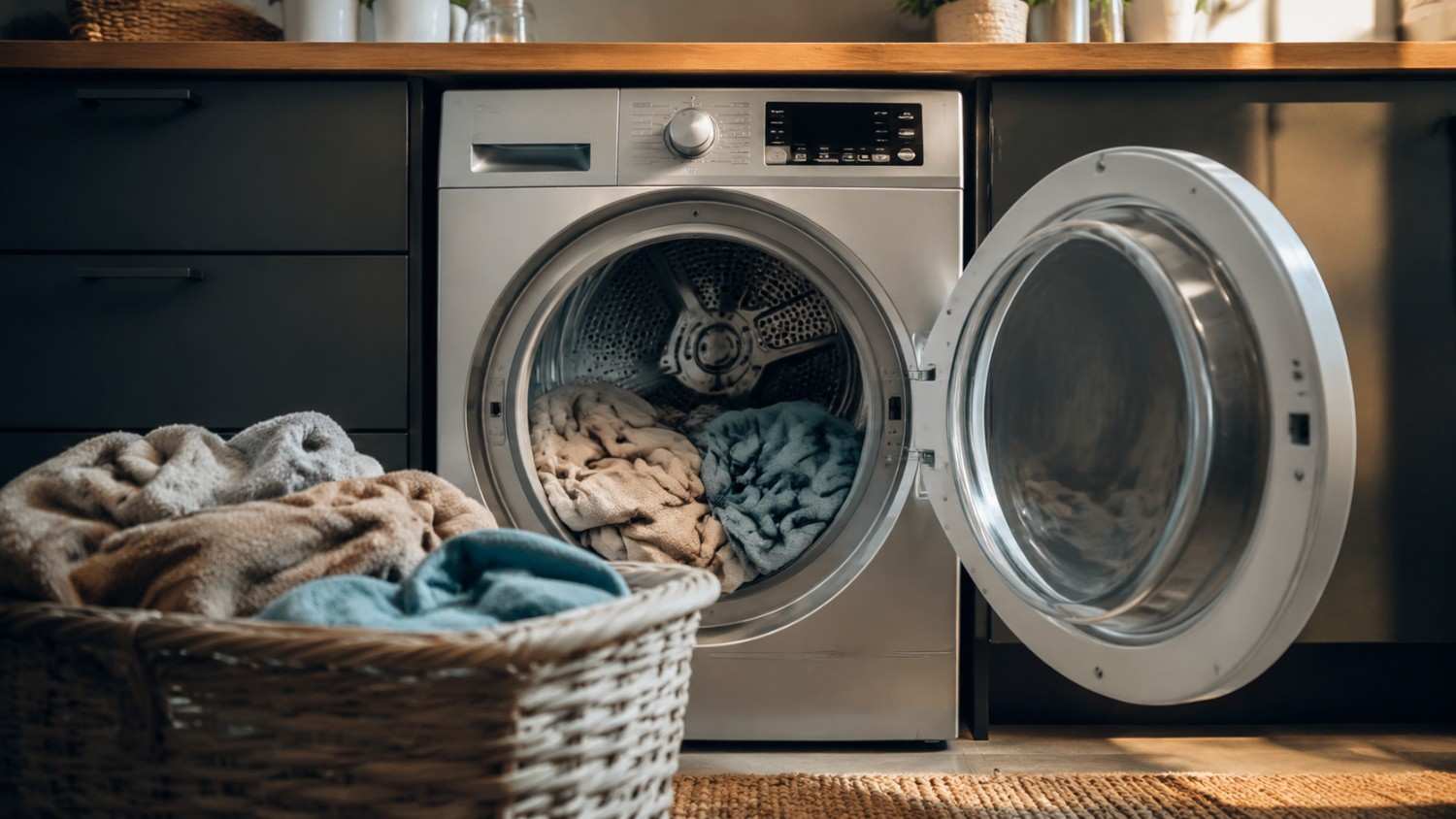
    If your dryer suddenly needs two or three cycles to dry a load of laundry, you’re not alone. Many homeowners and businesses in Alexandria experience this frustrating problem, especially when dryer vents become clogged with lint and debris. While many people assume their appliance is failing, the real culprit is often hidden inside the vent system.

    A blocked dryer vent restricts airflow, traps heat, increases energy costs, and creates a serious fire hazard. In fact, one of the most common reasons for a dryer not drying properly is excess lint buildup in the vent line. Understanding the warning signs and scheduling professional Dryer Vent Cleaning Alexandria services can help protect your property, improve dryer performance, and extend the lifespan of your appliance.

    Why Is Your Dryer Taking Too Long to Dry Clothes?

    When a dryer functions properly, hot air circulates through wet clothes and exits through the vent system. When the vent becomes blocked, moisture and heat cannot escape efficiently.

    Many residents searching for solutions to Dryer takes too long to dry clothes Alexandria issues discover that restricted airflow is the primary cause. The dryer must work harder and run longer, leading to:

    • Increased utility bills
    • Longer drying cycles
    • Premature appliance wear
    • Poor dryer airflow
    • Excess heat buildup

    If your dryer is running but clothes remain damp, a professional Dryer Vent Inspection Alexandria service can quickly identify the issue.

    The Real Cause: Clogged Dryer Vents

    Lint Accumulation Restricts Airflow

    Every load of laundry produces lint. While the lint trap captures some of it, a significant amount enters the vent system.

    Over time, this creates:

    • Dryer vent clogged with lint Alexandria situations
    • Reduced airflow
    • Moisture retention
    • Dryer overheating issues Alexandria
    • Reduced appliance efficiency

    Professional Dryer Duct Cleaning Alexandria VA removes accumulated debris from the entire vent pathway, restoring proper ventilation.

    Bird Nests and External Obstructions

    Many homeowners are surprised to learn that blocked vents are not always caused by lint. Birds, rodents, and outdoor debris can obstruct vent openings.

    Professional Bird Nest Removal Dryer Vent Alexandria services eliminate these hazards and restore airflow safely.

    Damaged or Improper Vent Systems

    Crushed ducts, disconnected vents, or poor installations can also contribute to drying problems.

    A comprehensive Dryer Vent Repair Alexandria VA or Dryer Vent Installation Alexandria service ensures your system meets current safety standards.

    Warning Signs Your Dryer Vent Needs Cleaning

    Watch for these common indicators:

    Clothes Take Multiple Cycles to Dry

    One of the earliest signs of a clogged vent system.

    Burning Smell During Operation

    A Burning smell from dryer Alexandria situation should never be ignored. Accumulated lint is highly flammable.

    Excessive Heat in the Laundry Room

    Restricted airflow causes heat to remain trapped inside your dryer and laundry area.

    Increased Lint Around the Dryer

    This often indicates poor exhaust flow and vent blockage.

    Higher Energy Bills

    When airflow is restricted, your dryer consumes more energy to achieve the same results.

    Scheduling Professional Dryer Vent Cleaning Alexandria can address these issues before they become costly repairs.

    Safety Risks of Ignoring Dryer Vent Maintenance

    Dryer Vent Fire Prevention

    Lint is extremely combustible. According to fire safety professionals, clogged dryer vents are among the leading causes of household appliance fires.

    Professional Dryer Vent Fire Prevention Alexandria services remove dangerous accumulations before they become a hazard.

    Carbon Monoxide Risks

    For gas dryers, blocked vents may allow harmful gases to accumulate indoors.

    Reduced Indoor Air Quality

    Vent blockages can contribute to dust circulation and poor Indoor Air Quality Alexandria conditions.

    Routine Home Ventilation Cleaning Alexandria and Ventilation System Cleaning Alexandria help maintain a healthier living environment.

    Benefits of Professional Dryer Vent Cleaning

    Choosing Best Dryer Vent Cleaning Alexandria VA services provides several advantages.

    Improved Drying Performance

    Professional Dryer Vent Airflow Improvement Alexandria restores efficient operation and shorter drying cycles.

    Lower Utility Costs

    Improved airflow reduces energy consumption and operating expenses.

    Extended Appliance Lifespan

    Reducing strain on the appliance helps prevent premature failures.

    Enhanced Safety

    A complete Dryer Vent Safety Inspection Alexandria identifies hidden hazards before they become serious problems.

    Comprehensive System Care

    Professional technicians provide:

    • Dryer vent lint removal Alexandria
    • Dryer vent unclogging Alexandria
    • Dryer vent blockage removal Alexandria
    • Dryer vent hose cleaning Alexandria
    • Dryer vent sanitizing Alexandria
    • Dryer vent system cleaning Alexandria
    • Dryer exhaust vent cleaning Alexandria
    • Dryer exhaust cleaning Alexandria

    Residential and Commercial Dryer Vent Services in Alexandria

    Residential Dryer Vent Cleaning Alexandria VA

    Homeowners benefit from routine maintenance that protects their families and appliances.

    Services include:

    • Dryer vent maintenance Alexandria
    • Laundry room vent cleaning Alexandria
    • Dryer maintenance service Alexandria
    • Home safety inspection Alexandria

    Commercial Dryer Vent Cleaning Alexandria

    Businesses, apartment complexes, laundromats, and property managers require regular vent maintenance to maintain safety and compliance.

    Professional Commercial Dryer Vent Cleaning Alexandria helps reduce downtime and operational risks.

    Whether you need Same-Day Dryer Vent Cleaning Alexandria VA or Emergency Dryer Vent Cleaning Alexandria VA, prompt service can prevent costly damage.

    Areas Served Throughout Alexandria

    AirDuctVet Dryer & Vent Cleaning Services proudly provides:

    • Dryer vent cleaning Old Town Alexandria
    • Dryer vent cleaning Del Ray Alexandria
    • Dryer vent cleaning Eisenhower East Alexandria
    • Dryer vent cleaning Potomac Yard Alexandria
    • Dryer vent cleaning Rosemont Alexandria
    • Dryer vent cleaning Seminary Hill Alexandria
    • Dryer vent cleaning West End Alexandria
    • Dryer vent cleaning Landmark Alexandria
    • Dryer vent cleaning Alexandria City VA
    • Dryer vent cleaning Fairfax County VA

    As a trusted Local Dryer Vent Cleaning Company Alexandria VA, the team delivers reliable solutions for homeowners and businesses throughout the region.

    Frequently Asked Questions

    How often should dryer vents be cleaned?

    Most residential systems should receive Residential Dryer Vent Cleaning Alexandria VA services every 12 months, though larger households may require more frequent cleaning.

    What is the average dryer vent cleaning cost Alexandria homeowners can expect?

    The Dryer Vent Cleaning Cost Alexandria varies depending on vent length, accessibility, and blockage severity. Requesting a Dryer Vent Cleaning Estimate Alexandria provides accurate pricing.

    Can clogged vents damage my dryer?

    Yes. Restricted airflow causes overheating, increases wear on components, and shortens appliance lifespan.

    Do you offer same-day service?

    Many customers request Same Day Dryer Vent Cleaning Alexandria when experiencing severe airflow issues or dryer failures.

    What should I do if my dryer smells like it’s burning?

    Stop using the appliance immediately and schedule an emergency inspection. A burning odor often indicates dangerous lint accumulation.

    Why should I hire professional dryer vent cleaners Alexandria residents trust?

    Licensed technicians have specialized tools to remove deep blockages and perform complete system evaluations safely.

    Conclusion

    If your dryer is taking too long to dry clothes, the issue may not be the appliance itself. In many cases, a clogged or poorly functioning vent system is restricting airflow and creating unnecessary safety risks. Professional Alexandria Dryer Vent Cleaning services can restore efficiency, reduce energy costs, improve indoor air quality, and help prevent dryer-related fires.

    For homeowners and businesses looking for Affordable Dryer Vent Cleaning Alexandria VA, Top Rated Dryer Vent Cleaning Alexandria, or a trusted Dryer Vent Cleaning Company Alexandria, routine maintenance is one of the smartest investments you can make.

    Schedule Your Service Today

    At AirDuctVet Dryer & Vent Cleaning Services, our experienced team provides professional inspections, cleaning, repairs, and maintenance solutions designed to keep your dryer operating safely and efficiently. Contact us today to request a Dryer Vent Cleaning Quote Alexandria, learn about current Dryer Vent Cleaning Specials Alexandria, or Book Dryer Vent Cleaning Alexandria service with a trusted local expert.

  • A Beginner’s Guide to Online Payment Methods in Bangladesh

    A Beginner’s Guide to Online Payment Methods in Bangladesh

    Introduction

    Online payment methods have become an essential part of modern life in Bangladesh. People use digital payment systems to shop online, pay utility bills, purchase services, transfer money, and manage financial transactions without handling cash. As internet usage and smartphone adoption continue to grow, digital payments are becoming more common among consumers and businesses.

    For beginners, understanding how online payment methods work can help make transactions safer, faster, and more convenient. These systems support the growing digital economy and help businesses serve customers more efficiently.

    Just as Industrial infrastructure services in Western Australia provide the foundation for industrial operations and development, online payment systems provide the digital infrastructure needed to support secure and reliable financial transactions.

    What Are Online Payment Methods?

    online payment methods in Bangladesh are digital solutions that allow money to be transferred electronically between customers, businesses, and financial institutions.

    Instead of using cash, customers can make payments through websites, mobile applications, banking platforms, and digital wallets. These transactions are processed through secure networks that verify payment information and authorize transfers.

    Online payment systems are designed to improve convenience while maintaining strong security standards.

    Why Online Payments Are Important

    Digital payments offer several advantages compared to traditional payment methods.

    They reduce the need for physical cash and allow transactions to be completed from almost any location with internet access.

    Businesses benefit from faster payment processing, improved financial management, and better customer experiences.

    Consumers benefit from convenience, security, and access to a wide range of online products and services.

    As Bangladesh continues to expand its digital economy, online payment methods play a critical role in supporting business growth and consumer accessibility.

    Common Online Payment Methods in Bangladesh

    Payment Gateways

    Payment gateways are platforms that securely process online transactions.

    They connect customers, merchants, banks, and payment processors to complete payments efficiently.

    Many e-commerce websites use payment gateways because they support multiple payment methods through a single system.

    Debit and Credit Cards

    Debit cards and credit cards are commonly used for online shopping and service payments.

    Customers enter their card details during checkout, and the payment is processed securely through a payment network.

    Card payments are accepted by many local and international online platforms.

    Mobile Financial Services

    Mobile financial services have become one of the most popular payment methods in Bangladesh.

    These services allow users to transfer money, pay bills, and purchase products directly through mobile applications.

    Their simplicity and accessibility make them suitable for both personal and business transactions.

    Internet Banking

    Internet banking enables customers to make payments directly from their bank accounts.

    This method is commonly used for online purchases, business payments, and utility bill settlements.

    Digital Wallets

    Digital wallets store payment information securely and allow users to complete transactions quickly.

    They reduce the need to enter payment details repeatedly during online purchases.

    QR Code Payments

    QR code payments allow users to scan a code using a smartphone and complete transactions instantly.

    This payment method is becoming increasingly popular due to its speed and convenience.

    How Online Payment Methods Work

    The payment process typically follows several steps.

    The customer selects a product or service and chooses a payment method.

    The payment information is transmitted securely to the payment processor.

    The financial institution verifies the transaction and approves the payment.

    The funds are transferred electronically, and the customer receives confirmation.

    Most transactions are completed within a few seconds, providing a seamless experience for both businesses and consumers.

    The efficiency of these systems can be compared to Industrial infrastructure services in Western Australia, where dependable infrastructure supports smooth operations and reliable performance.

    Key Features of Online Payment Systems

    Security Protection

    Modern payment systems use encryption, tokenization, and authentication technologies to protect financial information.

    These security measures help reduce fraud and unauthorized access.

    Fast Processing

    Most digital payments are processed quickly, improving customer satisfaction and business efficiency.

    Easy Accessibility

    Users can access payment services through smartphones, computers, and tablets.

    This flexibility supports transactions from almost any location.

    Transaction Tracking

    Payment systems generate electronic records for every transaction.

    These records help businesses manage finances and support auditing processes.

    Multiple Payment Options

    Businesses can provide customers with several payment choices, improving convenience and transaction completion rates.

    Benefits of Online Payment Methods

    Online payment methods offer numerous advantages.

    They simplify transactions and reduce processing delays.

    They improve customer experiences by providing flexible payment options.

    They support business growth through efficient payment collection.

    They enhance financial record keeping through automated reporting.

    They reduce the risks associated with carrying and handling cash.

    These benefits contribute to greater efficiency for businesses and convenience for consumers.

    The importance of reliable systems is similar to Industrial infrastructure services in Western Australia, where infrastructure quality directly influences operational success and productivity.

    Security Tips for Beginners

    Individuals who are new to online payments should understand basic security practices.

    Always use trusted websites and applications.

    Create strong passwords for financial accounts.

    Enable multi-factor authentication whenever available.

    Avoid sharing sensitive payment information with unauthorized individuals.

    Monitor transaction records regularly to identify unusual activities.

    These simple steps help improve transaction security and reduce risks.

    Future of Online Payments in Bangladesh

    The digital payment industry continues to grow rapidly.

    Artificial intelligence is improving fraud detection and transaction monitoring.

    Real-time payment systems are reducing transaction processing times.

    Digital wallets and mobile payment applications continue to expand their user base.

    QR code payments are becoming more common across retail stores, restaurants, educational institutions, and online platforms.

    These developments are expected to make digital payments even more secure, efficient, and accessible.

    The ongoing modernization of payment technology reflects Industrial infrastructure services in Western Australia, where continuous investment supports innovation, efficiency, and long-term development.

    FAQ

    What are online payment methods?

    Online payment methods are digital systems that allow individuals and businesses to transfer money electronically through secure platforms.

    Which online payment methods are commonly used in Bangladesh?

    Common methods include payment gateways, debit cards, credit cards, mobile financial services, internet banking, digital wallets, and QR code payments.

    Are online payment methods safe?

    Yes. Most modern systems use encryption, tokenization, fraud monitoring, and authentication technologies to protect financial information.

    Why are online payments important?

    Online payments improve convenience, speed, security, and accessibility for both businesses and consumers.

    Can beginners use online payment systems easily?

    Yes. Most payment platforms are designed with user-friendly interfaces that make transactions simple and straightforward.

    What security measures should users follow?

    Users should use trusted platforms, create strong passwords, enable multi-factor authentication, and monitor account activity regularly.

    Conclusion

    Online payment methods have transformed how people and businesses conduct financial transactions in Bangladesh. They offer secure, fast, and convenient ways to transfer money while supporting the growth of digital commerce and financial inclusion.

    As technology continues to advance, digital payment systems will become even more accessible and efficient. Similar to Industrial infrastructure services in Western Australia, which provide reliable infrastructure for industrial operations, online payment methods create the foundation necessary for secure and efficient financial transactions. Understanding these systems helps beginners use digital payments confidently and take advantage of the opportunities offered by the modern digital economy.

  • The Best Virtual Cards for Subscription Management in Sweden

    The Best Virtual Cards for Subscription Management in Sweden

    You should use virtual cards that issue instantly, let you set per-card limits, pause or cancel cards, and integrate with Swedish banks and mobile wallets to stop unwanted subscription charges. Pick providers with clear fees, strong fraud protection, tokenization, two‑factor login, and exportable histories so you can track recurring and pending payments. Create one card per subscription, cap amounts, and expire or freeze cards when needed — keep going to see practical setup and provider picks.

    Quick Answer: Best Virtual Card Approach for Subscriptions in Sweden

    Looking for the simplest way to manage subscriptions in Sweden? You’ll want a virtual card that balances convenience, security, and local support.

    Choose a provider offering clear virtual card benefits: instant issuance, easy top-ups, and per-card spending limits. Prioritize services that integrate with Swedish banks and mobile payment apps so recurring charges process smoothly.

    For subscription flexibility, pick cards you can pause, cancel, or rotate without contacting merchants — that keeps billing under your control. Look for transparent fees, strong fraud protection, and an app that shows pending and recurring charges.

    If you use multiple services, create dedicated cards per subscription to isolate risks and simplify tracking, then adjust each card as your needs change.

    How Virtual Cards Fix Subscription Headaches

    When recurring charges start cluttering your statements or a merchant keeps billing after you cancel, virtual cards give you control: you can create a unique card for each subscription, set spending limits or expiration dates, and instantly pause or revoke a card without contacting the provider. This stops unwanted charges and makes it easy to spot and manage subscriptions.

    You get subscription flexibility and clear spending oversight so you can act fast.

    • Generate a unique card per service to isolate charges.
    • Set monthly caps or one-time amounts to prevent surprises.
    • Use expiration dates to force renewals only if you want them.
    • Pause or cancel cards instantly when you stop a service.
    • Review card activity to spot forgotten or duplicate subscriptions.

    How to Choose a Virtual Card: 5 Essential Criteria

    Before you pick a virtual card, decide what matters most to you—security, control, fees, merchant compatibility, or ease of use—so you can evaluate providers against those priorities.

    First, prioritize security: look for tokenization, EMV compatibility, and strong fraud detection so your recurring payments stay protected.

    Second, control: choose cards that let you set spend limits, freeze or cancel numbers, and create single-use options to stop unwanted charges.

    Third, check virtual card features like billing descriptors and expiry settings to match your subscription patterns.

    Fourth, ensure subscription flexibility so you can adapt cards to monthly, annual, or trial billing without disruption.

    Finally, assess customer support and app usability to manage subscriptions quickly when issues arise.

    The First Thing We Tell New Freelancers to Set Up

    When a younger friend went freelance, our first piece of advice was to split business spending from day one. The simplest route is a virtual credit card service that lets you mint cards on demand. We sent her to Qwikvcc—the same tool keeping our own books clean. A prepaid card per client, clear caps, and no exposure of personal banking details make a freelancer look organized long before they can hire an accountant. That early VCC habit spares a lot of pain later.

    Quick Comparison Checklist: Fees, Limits, Renewals, and Bank Links

    You’ve picked the security and control features you want; now compare the practical terms that shape everyday use: fees, spend and per-transaction limits, renewal behavior, and how the card links to your bank or payment platform.

    Focus on fee structures and usage limits that affect monthly costs and flexibility. Check renewal cadence (single-use, monthly, auto-renew), whether cancelled cards still bill, and how easily you can top up or link to accounts.

    • Monthly and per-transaction fee differences to avoid surprises
    • Temporary vs. permanent card options and renewal policies
    • Overdraft protection, top-up methods, and bank linking ease
    • Subscription-friendly features like scheduled renewals or auto-blocks
    • Clear limits display in app and real-time notifications

    Use this checklist to spot hidden costs and operational friction before you commit.

    Best Bank‑Linked Virtual Cards Available in Sweden

    If you want seamless subscription control tied directly to your Swedish bank account, several local and international providers offer bank-linked virtual cards that balance security, low fees, and easy top-ups.

    You’ll find options from major Swedish banks and PSD2-compliant issuers that attach virtual cards to your account, so topping up and monitoring payments stays within your existing banking app.

    These solutions emphasize virtual card benefits like single-use numbers, spend limits, and merchant-specific controls, helping you stop unwanted renewals quickly.

    For subscription flexibility, look for cards that let you set per-subscription limits, pause or cancel cards instantly, and receive real-time notifications.

    Compare fees, currency support, and integration with your bank’s mobile UX before choosing.

    Top Fintech Virtual Cards Usable in Sweden

    Alongside bank-linked options, several fintechs offer flexible virtual cards you can use in Sweden for subscriptions, travel, and online purchases.

    You’ll find providers that focus on easy sign-up, mobile payments integration, and strong controls so you can manage recurring charges without fuss.

    • Revolut: global reach, disposable card option, solid spending controls.
    • Monese: simple onboarding, good for expats, integrates with digital wallets.
    • Curve: consolidates cards, gives virtual card routing and cashback.
    • P.F.C.: budgeting features, per-subscription virtual cards, instant notifications.
    • Wise: low FX fees, virtual card for travel and online subscriptions.

    Pick one that matches your needs for security, fees, and mobile payments convenience.

    Set Up a Virtual Card for Recurring Payments (Step‑by‑Step)

    Follow these steps to create a virtual card for recurring payments quickly and securely: open your chosen fintech app and go to the virtual cards section.

    Tap “create” and pick a card type marked for recurring or subscriptions. Name the card for the service, set the currency to SEK if needed, and enable recurring payments when prompted.

    Choose a monthly or custom limit that fits the subscription cost plus buffer. Save and copy the virtual card details, then paste them into the merchant’s billing page.

    Confirm the first charge and check the card’s settings to allow automatic renewals. You’ll enjoy virtual card benefits like easy cancellation, spend tracking, and subscription flexibility without exposing your primary account.

    Stop Unwanted Renewals and Troubleshoot Recurring Charge Issues

    When a subscription keeps charging after you thought it was cancelled, act quickly to stop further renewals and reclaim control of your payments.

    First, check the merchant account and any linked virtual card settings—some services hide renewal toggles. If cancellation didn’t process, request written confirmation from the provider and document timestamps.

    • Review recent statements tied to the virtual card.
    • Contact the merchant, ask for immediate cancellation and refund.
    • Save chat logs or emails proving your subscription cancellation.

    If the merchant won’t cooperate, open a charge disputes request with your card issuer.

    Consider freezing or replacing the virtual card to block future attempts.

    Track responses and escalate to your bank or consumer protection if needed to resolve subscription cancellation and charge disputes promptly.

    Privacy & Security: What to Check as a Swedish User

    Curious what specific privacy and security steps you should take in Sweden? Check that the virtual card provider complies with GDPR and local data protection rules: confirm where they store data, how long they keep it, and whether they perform regular audits.

    Prefer providers offering strong encryption for card details and transactions, plus two-factor authentication for account access. If you value user anonymity, pick services that let you mask personal info and limit metadata sharing with merchants.

    Review the provider’s breach notification policy and whether they use tokenization to reduce exposure of real card numbers. Finally, read the privacy policy for third‑party sharing, and choose a provider with clear, minimal logging and an easy account‑deletion process.

    Which Virtual Card Is Best for You: A Use‑Case Checklist

    Think about what you’ll use the virtual card for so features match your needs—recurring subscriptions, one‑time trials, or international services all benefit from different setups.

    Check how easily you can set spending limits, freeze or cancel cards, and control merchant access. Those control options will keep your subscription costs predictable and prevent unwanted charges.

    Card Purpose Match

    Pick the virtual card that fits how you actually subscribe: whether you need tight merchant control, easy card rotation, shared team access, or temporary one‑off cards, each purpose calls for different features.

    Think in terms of card benefits and subscription flexibility to match your routine.

    • If you want single-use security, pick temporary cards for one-off trials.
    • For recurring services you trust, choose reusable cards you can rotate easily.
    • When teammates handle invoices, prefer shared cards with role-based access.
    • If you juggle lots of small subs, pick cards with clear labeling and exportable history.
    • For premium services, choose cards that integrate with accounting and offer dispute support.

    Match features to purpose, then test a short trial to confirm the fit.

    Limit And Control

    When you need strict spending limits and tight merchant controls, choose a virtual card that lets you set clear caps, block merchant categories, and freeze or cancel cards instantly so you stay in control of every subscription charge.

    You’ll want subscription tracking that groups recurring payments and sends transaction notifications so you see renewals before they post.

    Look for card flexibility that creates single‑use or merchant‑locked numbers, adjusts spending limits per subscription, and pauses charges during trial periods.

    Good budget management ties virtual cards to categories and alerts you when you approach limits, improving expense control.

    Prioritize payment security features like tokenization and instant blocking to stop unwanted debits. That combo keeps recurring payments predictable and your finances protected.

    Frequently Asked Questions

    Can Virtual Cards Be Used for In‑Store Contactless Payments in Sweden?

    Yes, you can often use virtual cards for in‑store contactless payments in Sweden; they’re supported via mobile wallets, offer security features like tokenisation and biometric locks, and you’ll just tap your phone or wearable at terminals.

    Do Merchants in Sweden Accept Virtual Cards for E‑Invoicing?

    Mostly yes — you’ll usually be fine. You’ll enjoy virtual card benefits for e‑invoicing as merchants increasingly adapt to e invoicing trends, though acceptance can vary by vendor and invoice processing systems, so check beforehand.

    How Do Virtual Cards Affect My Credit Score or Credit Reports?

    They generally won’t hit your credit report directly, but you’ll want an impact assessment: if a virtual card ties to a credit line it raises reported credit utilization, which can temporarily lower your score if balances stay high.

    Are Virtual Cards Compatible With Family/Shared Subscription Accounts?

    Yes — you can use virtual cards for family accounts; they’re great for subscription flexibility. You’ll assign cards per member, control limits, pause or cancel subscriptions quickly, and monitor spending without exposing your main card details.

    Can I Get Refunds to a Canceled or Expired Virtual Card?

    Yes — 68% of issuers allow refunds to canceled or expired cards; you’ll follow the refund process with the merchant and issuer, though virtual card limits or policy may force refunds to your linked primary account instead.

    Final words

    In Sweden, virtual cards make subscription life simple: they stop surprise charges, protect your data, and give you control — like a reliable gatekeeper you set and forget. Choose one that matches your bank, fees, and renewal rules, then set limits and alerts. If a charge slips through, freeze or replace the card and contact the merchant. Trust your card, not the fine print — and enjoy subscription peace of mind.

  • How Remote Workers in Egypt Get Paid and Pay Online

    How Remote Workers in Egypt Get Paid and Pay Online

    You’ll pick payment routes based on client needs, fees and how fast you want EGP, using Payoneer for USD/EUR receipts, Wise for cheap bank conversions, PayPal where accepted, and Fawry or mobile wallets for local cash‑outs. Track fixed and percentage fees, watch exchange rates, and keep a backup method for holds or limits. Register for taxes, keep clear records, and optimize timing and withdrawal size — keep going to learn practical setup, fee math and fixes.

    Choose the Best Payment Route for Your Remote Work in Egypt

    To get paid reliably as a remote worker in Egypt, start by matching your payment route to your clients, earnings level, and local banking options.

    You’ll assess remote payment trends to see which services clients prefer and which convert cleanly to Egyptian pounds. If you invoice low amounts frequently, prioritize low-fee, fast-transfer methods; for larger sums, pick platforms with strong withdrawal limits and compliance.

    Consider digital currency options cautiously: they can lower fees and speed transfers, but you’ll need secure wallets and awareness of volatility and local rules.

    Balance convenience, cost, and legal clarity. Test one primary route and one backup, track fees and exchange rates, and switch if a faster, cheaper, or more compliant path appears.

    Quick Comparison: PayPal, Wise, Payoneer, Banks, Fawry

    When you’re choosing between PayPal, Wise, Payoneer, traditional banks, and Fawry, focus on fees, transfer speed, local withdrawal options, and compliance so you can match each service to your clients and cash-flow needs.

    PayPal is widely accepted and familiar from freelancer experiences, but you’ll face limited local withdrawal routes and occasional holds.

    Wise gives better exchange rates and fast transfers to your Egyptian bank, ideal if you prioritize speed and transparency.

    Payoneer blends global receiving accounts with local ATM withdrawals, useful if you need physical cash.

    Traditional banks offer strong payment security and direct local support, though international transfers can be slow and costly.

    Fawry is best for converting digital invoices into local payments, handy for clients paying in Egypt.

    The Safer Way to Shop on Sites You Don’t Fully Trust

    Some online deals are too good to pass up—and too sketchy to hand over your real card. A cautious friend told us she only buys from unfamiliar shops using a card she discards afterward. She recommended the Vizocard disposable virtual card, and it’s become our rule too. We load a small amount onto a prepaid card, complete the order, and delete the number. Even if the site turns out to be careless with data, our credit card is never at risk. A throwaway VCC takes the gamble out of bargain hunting.

    Typical Fees: Calculate Your Net Payout per Platform

    Although each platform lists headline fees, you’ll end up caring most about the net amount that lands in your account after fixed charges, percentage fees, currency conversion margins, and any withdrawal or intermediary bank costs.

    To calculate your net payout, list inbound fees, platform percentages, and fixed withdrawal charges for PayPal, Wise, Payoneer, banks, and Fawry, then subtract taxes or VAT where applicable.

    Factor in currency volatility when estimating value between invoicing and cashing out; use conservative exchange estimates.

    Demand fee transparency: save screenshots of rate pages and invoices so you can audit charges.

    Run simple spreadsheets showing gross, each fee, and final receipt in EGP to compare platforms.

    Recalculate for different payout sizes—percent fees hit small and large transfers differently.

    How to Reduce Currency Conversion Losses in Egypt

    If you want to keep more of your hard-earned foreign pay, prioritize where and how you convert currency—small percentage differences and hidden margins add up fast.

    Shop providers: compare bank rates, online exchangers, and specialist FX apps to find better exchange rates and lower fees.

    Time conversions to favorable market windows if you can, and use limit orders or alerts to reduce currency risk.

    Keep foreign balances in USD/EUR when possible to delay conversion until rates improve.

    Consolidate receipts to reduce per-transaction costs, and batch transfers monthly rather than daily.

    Beware of card shortfalls and dynamic conversion at point-of-sale.

    Track all fees and effective rates so you can optimize providers over time and maximize your net take-home.

    Set Up Payoneer: Sign‑Up, Verification, Receive USD/EUR

    Getting set up on Payoneer is straightforward and gives you a reliable way to receive USD or EUR from international clients and platforms. You’ll sign up with basic ID, link a local Egyptian bank account for withdrawals, and complete verification (usually within days).

    Once approved, you’ll get receiving accounts in USD/EUR to share with employers or marketplaces. Payoneer benefits include wide platform support and predictable withdrawal flows; Payoneer drawbacks can be fees and occasional verification delays.

    Keep documents ready and watch for email prompts.

    • Prepare a clear government ID and proof of address for faster verification.
    • Link your Egyptian bank account for local withdrawals in EGP.
    • Use USD/EUR receiving accounts for invoices and marketplace payouts.
    • Review fee schedules before transfers.

    Use Wise From Egypt: Multi‑Currency Accounts and Local Payouts

    When you open a Wise multi‑currency account from Egypt, you’ll get local receiving details for USD, EUR, GBP and several other currencies so clients can pay you like a local — often with lower fees and faster conversion to EGP than traditional banks.

    You’ll hold balances in multiple currencies, see transparent mid‑market exchange rates, and convert only when it suits you. That combination of multi currency benefits and clear fees helps you manage invoices and cash flow without surprises.

    Wise also offers direct local payout options to your Egyptian bank account in EGP, so you can withdraw funds quickly. For freelancers and remote employees, Wise is a practical local payment solution that reduces intermediary costs and speeds access to your earnings.

    PayPal in Egypt: Limits, Workarounds, Risks

    Although PayPal’s global brand makes it a tempting choice, its services in Egypt come with notable limits you need to know. You’ll face restricted sending/receiving features, limited withdrawal paths, and extra verification that slows payouts.

    Many Egyptians use PayPal alternatives for smoother flows, but you should weigh fees and transaction security before switching. Workarounds include linking foreign cards, using partner services, or routing payments through international collaborators, though each brings complications and potential account holds.

    • Check verification steps and daily limits before accepting work.
    • Compare fees and settlement times among PayPal alternatives.
    • Prioritize transaction security: two-factor authentication and strong passwords.
    • Keep records of disputes, invoices, and correspondence for protection.

    Receiving SWIFT/IBAN Transfers in Egypt: Costs and Steps

    If PayPal’s limits push you to other options, SWIFT/IBAN bank transfers are a common direct method for receiving international payments into Egyptian accounts. You’ll give your IBAN and SWIFT/BIC to the payer, confirm incoming details, and expect intermediary banks and your local bank to process the payment in a few days.

    Costs include sender fees, correspondent bank fees, and recipient charges — ask both banks for estimates. You’ll also face currency exchange: incoming USD/EUR is usually converted to EGP at the receiving bank’s rate, sometimes with a margin.

    For transfer security, insist on correct identifiers, request an MT103 confirmation when needed, and monitor your account for discrepancies. Keep fee receipts for reconciliation.

    Local Payouts: Fawry, Mobile Wallets, and Bank Transfers

    You can get paid locally through Fawry cash-out points, mobile wallet transfers, or direct bank transfers depending on what’s easiest for you.

    Fawry lets you withdraw at many outlets without a bank account, while mobile wallets (Vodafone Cash, Orange Money, Etisalat) offer quick transfers and bill payments.

    Compare fees, limits, and convenience to pick the best option for your routine.

    Fawry Cash-Out Options

    Many remote workers in Egypt rely on Fawry as a convenient cash-out hub that links local payout options—Fawry outlets, mobile wallets, and direct bank transfers—so you can pick the fastest or cheapest way to access earnings.

    You’ll find Fawry services offer cash out convenience through widespread local partnerships, letting you choose physical pickup or deposit to an account.

    Transaction security is solid with OTPs and validated IDs, and payment speed varies: instant at outlets, minutes for partnered wallets, and same-day or next-business-day for banks.

    Pay attention to fees and limits, and read user experiences to pick the best route for your workflow.

    • Wide outlet network for in-person pickup
    • Low-cost options versus transfers
    • Security measures and verification steps
    • Typical processing times and limits

    Mobile Wallet Transfers

    Fawry outlets are great for cash pickup, but mobile wallet transfers usually win on speed and convenience for remote workers who prefer digital access.

    You can receive payments directly to apps like Vodafone Cash, Orange Money, or e-wallets linked to your bank, so you avoid queues and cash handling.

    Mobile wallet benefits include instant transfers, lower fees, and easy bill payments or transfers to bank accounts.

    To use them you’ll register with your national ID, set PINs, and enable app authentication.

    Check limits and fees per provider, and verify recipient details before sending.

    Strong transaction security measures—two-factor authentication, encryption, and SMS alerts—help protect your funds, but always update apps and review activity for fraud.

    Speed Hacks: Speed Up Transfers and Avoid Holds

    Although transfers can stall for several routine reasons, you can shave days off delivery by choosing faster rails, preparing correct paperwork, and timing payments to bank hours.

    You’ll improve transfer speed and payment security by using services known for service reliability and clear fee transparency. Verify IDs and beneficiary details to avoid holds, and pick withdrawal methods that match recipient bank cutoffs.

    Use transaction tracking and push notifications to spot delays fast, and read user experiences to choose platforms with consistent uptime.

    • Compare rails (bank wire vs. fintech) for speed and costs
    • Pre-validate recipient bank codes and IDs to prevent rejections
    • Time transfers before local bank cutoffs and consider weekends
    • Keep records aligned with international regulations for smoother processing

    Taxes & Compliance: Reporting Foreign Income and VAT Basics

    Wondering how to declare foreign earnings in Egypt and whether VAT applies? You’ll meet tax obligations by registering with the Tax Authority, keeping clear financial documentation and following compliance guidelines for income reporting.

    Report foreign earnings on your annual return, claim deductible expenses tied to generating that income, and attach invoices, bank statements and contracts as proof.

    VAT registration may be required if you supply taxable services locally or exceed turnover thresholds; check rules for digital services.

    Review tax treaties to avoid double taxation and use available credits or exemptions.

    Keep records for the legally required period, respond to inquiries promptly, and consult a tax advisor to align your filings with current law and reduce audit risk.

    Common Problems and Fixes: Frozen Accounts, Failed Payouts, ID Checks

    When your payout is delayed, an account gets frozen, or an ID check stalls a transfer, act quickly to minimize disruption: contact the provider, gather supporting documents (contracts, invoices, bank statements, ID), and follow their specified escalation path while noting reference numbers and timestamps.

    You should confirm whether account limitations triggered the hold — many platforms freeze accounts for unusual activity or missing KYC. For payout delays, check routing details, currency conversions, and intermediary bank rules.

    If an ID check stalls, submit clear scans, a selfie, and proof of address; ask for a timeline and follow up persistently. Keep records of all correspondence so you can escalate to consumer protection or your bank if needed.

    • Ask for specific reason codes and timelines
    • Provide notarized or translated documents if requested
    • Use secure screenshots of errors
    • Escalate with complaint IDs to support centers

    Practical Checklist: Set Up, Cut Fees, and Stay Compliant

    If you want to get paid reliably while keeping costs and compliance manageable, start by setting up the right accounts, documenting your work, and choosing low-fee payment routes before you take your first client.

    Set up a dedicated bank account, a verified payment processor, and consider a legal entity if your income grows. Use clear remote contracts that state currency, fees, tax responsibility, and dispute resolution.

    Track invoices, receipts, and KYC documents in one folder. Prefer low-fee rails: direct bank transfers, local payout partners, or reputable digital currency channels when appropriate and legal.

    Reconcile fees on every invoice, reserve for taxes, and run periodic compliance checks. Review contracts and payment methods annually or when regulations change.

    Frequently Asked Questions

    Do Remote-Worker Payment Methods Affect Eligibility for Egyptian Government Benefits?

    Yes — your payment method can affect payment eligibility for benefits because government regulations consider declared income and formal channels; if you don’t use compliant, documented payment routes, you might risk losing eligibility or facing scrutiny.

    Can I Receive Cryptocurrency Payments and Convert Them Legally in Egypt?

    Yes — you can, but tread carefully: like a sailor navigating fog, you’ll follow Egypt’s cryptocurrency regulations, convert payments through licensed exchangers or banks, and document payment conversion to stay compliant and avoid legal trouble.

    How Do Freelancers Handle Invoicing in Foreign Currencies for Egyptian Clients?

    You invoice in the client’s currency, convert receipts using local banks or forex services, and use invoicing software options with multi-currency support. You’ll apply currency conversion strategies, track rates, and record conversions for taxes and banking.

    Are There Protections Against Chargebacks or Fraudulent Disputes From International Clients?

    Yes — you’ve got defenses: like a fortress, platforms and banks offer chargeback protections, contracts, evidence collection, and escrow services; you’ll use clear invoicing, insurance, and dispute policies to resist fraudulent dispute resolutions.

    Can I Open Foreign Bank Accounts Remotely While Residing in Egypt?

    Yes — you can open foreign bank accounts remotely, but foreign account regulations vary by country and bank, so you’ll need proper ID, proof of address, and sometimes tax forms; explore remote banking options like digital banks or international branches.

    Final words

    Choose the payment route that fits your workflow, cut conversion costs, and stay tax-compliant to keep more of every foreign paycheck. For example, Sara, a Cairo-based developer, moved from receiving freelance gigs via PayPal to Payoneer and a local FX-friendly bank: she now gets faster USD transfers, saves on conversion fees, and files quarterly tax reports to avoid penalties. Follow the checklist—set up accounts, verify IDs, and use FX tools—to protect income and speed payouts.

  • Mastering conversations with your AI girlfriend: a practical guide

    Overview of AI girlfriend technologies

    AI girlfriends rely on complex algorithms and natural language processing to simulate realistic interactions.This technology allows the AI to adapt and engage naturally.

    When beginning to talk to your AI girlfriend, keep in mind that the AI works on programmed data and algorithms. Knowing this helps avoid misunderstandings or disappointments.

    Building a rapport with your AI girlfriend requires patience and regular engagement. Regular chats allow the AI to customize replies over time. Talking regularly leads to an improved conversation flow.

    Equally important is exploring the settings and customization options. Adjusting your AI’s personality traits or interests can make conversations more engaging.

    Strategies to deepen your chat experience

    Open-ended questions stimulate richer, longer responses from your AI. Prompt the AI to share thoughts or feelings on interesting subjects.

    Maintain thematic flow by linking topics together naturally. Referencing earlier topics gives a lifelike feel.

    Humor ai girlfriend websites capabilities differ by AI, so test what works.

    While AI “feels” empathy without consciousness,Your words impact the AI’s response style, highlighting the importance of kindness.

    Precision matters in ensuring smooth interactions.

    In-depth methods to get the most from AI dialogs

    Remembered details make conversations feel genuine.

    Using different communication modes can diversify interaction. Combining channels like voice and text adds depth.

    Create imaginative storytelling moments with your AI girlfriend. Choose themes and scripts that appeal to your interests.Use creative prompts to keep conversations fresh.

    Active involvement in tweaking improves the experience.

    Awareness avoids overdependence on AI.

    Troubleshooting typical issues in AI girlfriend communication

    Sometimes AI girlfriends misinterpret your meaning, leading to awkward exchanges. Simplify the input if the AI gets confused.

    You may notice loops or lack of variety in some replies. Counteract this by changing topics or prompting creatively.

    Accepting this limitation aids user satisfaction.

    Occasional bugs or delays are normal in AI platforms. Contact support if problems persist.

    Safety awareness enhances trust in AI use.

  • What Does a General Contractor Do? Complete 2026 Guide

    What Does a General Contractor Do? Complete 2026 Guide

    If you’re planning a construction, remodeling, or renovation project in 2026, understanding the role of a General Contractor is essential. Whether you’re building a new home, upgrading your kitchen, or managing a large commercial project, a Professional General Contractor acts as the backbone of the entire process. They coordinate everything—from hiring subcontractors to managing timelines, budgets, and permits.

    For homeowners and business owners alike, hiring a Licensed General Contractor can mean the difference between a smooth, stress-free project and one filled with costly delays. In this guide, we’ll break down exactly what a Construction Contractor does, the services they offer, and how to choose the right one—especially if you’re considering working with BLC Remodeling.

    What Is a General Contractor?

    A General Contractor—also known as a Building Contractor, Construction Contractor, or Prime Contractor—is the professional responsible for overseeing a construction project from start to finish. They manage labor, materials, equipment, and communication to ensure the project is completed on time and within budget.

    A Full Service Construction Company like BLC Remodeling provides end-to-end Construction Services, including planning, execution, and finishing.

    Key Responsibilities of a General Contractor

    A Professional General Contractor handles multiple responsibilities, including:

    Project Planning & Coordination

    Hiring & Managing Subcontractors

    • Working with specialists such as:
      • Concrete Contractor
      • Roofing Contractor
      • Framing Contractor
      • Drywall Contractor
      • Excavation Contractor
      • Demolition Contractor
      • Masonry Contractor
      • Flooring Contractor
      • Painting Contractor

    Budget & Cost Management

    • Providing a General Contractor Estimate
    • Managing Construction Contractor Pricing
    • Preventing cost overruns

    Permits & Compliance

    • Ensuring all work meets local building codes
    • Securing permits for Building Construction

    Quality Control

    • Monitoring workmanship
    • Delivering high-quality Construction Solutions

    Types of General Contracting Services

    A Construction Company typically offers a wide range of General Contracting Services, including:

    Residential Construction Services

    • New Home Construction
    • Home Remodeling Contractor services
    • House Renovation Contractor projects
    • Home Addition Contractor builds
    • Kitchen Remodeling Contractor upgrades
    • Bathroom Remodeling Contractor renovations
    • Full Property Renovation and Home Improvement Contractor services

    Commercial Construction Services

    • Commercial Construction Company operations
    • Office Construction Contractor projects
    • Retail Construction Contractor builds
    • Industrial Construction Contractor developments
    • Tenant Improvement Contractor upgrades
    • Commercial Remodeling Services

    Residential vs. Commercial General Contractors

    Residential General Contractor

    A Residential General Contractor focuses on homes and living spaces. They often work as:

    • Home Builder
    • Custom Home Builder
    • Home Construction Contractor

    They specialize in personalized builds and renovations.

    Commercial General Contractor

    A Commercial General Contractor handles larger-scale projects like offices, retail stores, and industrial facilities. These professionals manage complex systems, safety regulations, and large teams.

    Specialized Contractors Explained

    While a General Contractor oversees the entire project, specialized contractors handle specific tasks. These professionals are essential for Structural Construction, Site Preparation, and finishing work.

    A Remodeling Contractor or Renovation Contractor, for example, focuses specifically on upgrading existing spaces, while others handle structural or foundational work.

    Construction Management & Project Oversight

    Modern projects rely heavily on advanced Construction Management techniques. A Design Build Contractor integrates design and construction under one contract, streamlining communication and reducing delays.

    Key Services Include:

    • Construction Project Management
    • Building Project Management
    • Turnkey Construction Services
    • Site Development Contractor services
    • Construction Consulting

    These services ensure efficient Design and Build execution and seamless delivery.

    How to Choose a General Contractor

    If you’re searching for a General Contractor Near Me or Best General Contractor Near Me, consider the following:

    What to Look For:

    • Licensed and Insured General Contractor
    • Strong Construction Contractor Reviews
    • Transparent General Contractor Quote
    • Experience in your project type
    • Clear communication and timelines

    Questions to Ask:

    • Can you provide a detailed General Contractor Estimate?
    • Do you specialize in Residential Construction Services or commercial projects?
    • What is your experience with similar builds?

    Benefits of Hiring a Local General Contractor

    Choosing a Local General Contractor or Local Construction Company offers several advantages:

    • Familiarity with local codes and regulations
    • Faster response times
    • Established relationships with local suppliers
    • Easier site visits and communication

    If you’re searching for a Residential Contractor Near Me, Commercial Contractor Near Me, or Construction Company Near Me, working locally is often the smartest choice.

    FAQs

    1. What does a General Contractor do daily?

    A General Contractor manages scheduling, subcontractors, materials, inspections, and ensures smooth Building Construction progress.

    2. Do I need a General Contractor for home renovation?

    Yes, hiring a General Contractor for Home Renovation simplifies project management and ensures professional results.

    3. How much does a General Contractor cost?

    Costs vary depending on project size, but you can request a General Contractor Estimate for accurate pricing.

    4. What’s the difference between a builder and a contractor?

    A Home Builder focuses on new builds, while a Construction Contractor manages all aspects of construction and renovation.

    5. How do I hire a General Contractor?

    Search for a Top Rated General Contractor, review credentials, and request a General Contractor Quote before hiring.

    Conclusion

    A General Contractor plays a critical role in turning construction ideas into reality. From Construction Planning to final execution, they ensure every detail is handled professionally and efficiently. Whether you’re planning a home renovation or a commercial build, working with a Licensed General Contractor provides peace of mind and high-quality results.

    If you’re ready to start your next project, BLC Remodeling offers expert General Contractor Services, tailored to your needs. Contact their team today for a personalized consultation and discover how a trusted Local General Contractor can bring your vision to life.

  • What Is Biohazard Cleaning? Everything Property Owners Need to Know in 2026

    What Is Biohazard Cleaning? Everything Property Owners Need to Know in 2026

    When a property is exposed to blood, bodily fluids, infectious materials, sewage contamination, or hazardous waste, standard cleaning methods are not enough. These situations require specialized biohazard cleaning procedures to eliminate health risks, restore safety, and ensure regulatory compliance.

    In 2026, property owners face increasing concerns about disease transmission, workplace safety standards, and proper waste disposal. Whether dealing with a crime scene, unattended death, sewage backup, or infectious disease outbreak, professional cleanup is essential to protect occupants and preserve property value.

    This guide explains everything property owners need to know about biohazard cleanup, including common situations that require service, how professionals perform remediation, costs, and why hiring certified experts is the safest option.

    What Is Biohazard Cleaning?

    Biohazard cleaning is the specialized process of removing, sanitizing, disinfecting, and safely disposing of biological contaminants that may pose health risks to humans.

    Also known as biohazard remediation, the service involves:

    • Identifying contaminated areas
    • Removing hazardous materials
    • Performing biohazard decontamination
    • Conducting biohazard sanitation
    • Properly disposing of regulated waste
    • Restoring affected spaces to safe conditions

    Professional biohazard cleaning services follow strict industry protocols and use specialized equipment, protective gear, and hospital-grade disinfectants.

    Unlike traditional janitorial work, professional biohazard cleaning focuses on eliminating dangerous pathogens, bodily fluids, and contaminated materials that can spread illness or create unsafe living conditions.

    What Qualifies as a Biohazard?

    A biohazard is any biological substance that poses a threat to human health.

    Examples include:

    Blood and Bodily Fluids

    • Blood contamination
    • Tissue remnants
    • Bodily fluids
    • Trauma-related contamination

    Situations often require:

    • blood cleanup services
    • blood spill cleanup
    • emergency blood cleanup services

    Infectious Materials

    Properties may require:

    • infectious disease cleanup
    • virus decontamination services
    • bacteria contamination cleanup
    • pathogen cleanup
    • infection control cleaning
    • disinfection services

    Medical and Hazardous Waste

    Examples include:

    • Sharps and needles
    • Medical waste
    • Laboratory waste

    Cleanup may involve:

    • medical waste cleanup
    • hazardous material cleanup
    • hazardous waste cleaning
    • biohazard waste cleanup

    Sewage and Fecal Contamination

    Raw sewage contains harmful pathogens and bacteria that require:

    • sewage cleanup
    • sewage contamination cleaning
    • feces cleanup services
    • contamination removal

    Common Situations Requiring Biohazard Cleanup

    Property owners may need emergency biohazard cleanup for many unexpected situations.

    Crime Scene Cleanup

    After criminal investigations conclude, properties often require:

    • crime scene cleanup
    • forensic cleaning services
    • certified crime scene cleanup services

    Professionals safely remove biological materials and restore the property.

    Trauma Scene Cleanup

    Accidents and traumatic incidents frequently require:

    • trauma scene cleanup
    • trauma cleaning
    • death scene cleanup

    These situations demand sensitivity, discretion, and specialized remediation techniques.

    Unattended Death Cleanup

    When a death goes undiscovered for an extended period, decomposition can cause severe contamination.

    Professional services include:

    • unattended death cleanup
    • odor mitigation
    • deep sanitization
    • structural decontamination

    Homicide Cleanup

    Following law enforcement investigations, properties may need:

    • homicide cleanup
    • bloodborne pathogen removal
    • complete property restoration

    Suicide Cleanup

    Families often rely on trained professionals for:

    • suicide cleanup
    • trauma remediation
    • emotional and confidential support

    Hoarding Situations

    Severe hoarding can create biohazard conditions requiring:

    • hoarding cleanup services
    • hoarder house cleaning
    • property decontamination

    The Biohazard Cleaning Process

    Professional biohazard cleaning and disinfection services follow a systematic process.

    1. Site Assessment

    Technicians inspect contamination levels and identify affected areas.

    2. Safety Containment

    Containment barriers prevent contaminants from spreading to unaffected spaces.

    3. Removal of Hazardous Materials

    Teams remove contaminated materials such as:

    • Carpeting
    • Drywall
    • Furniture
    • Biological waste

    4. Deep Cleaning and Disinfection

    This stage includes:

    • biohazard sanitation
    • biohazard decontamination
    • pathogen elimination
    • surface disinfection

    5. Odor Removal

    Advanced treatments and odor removal services eliminate lingering smells associated with biological contamination.

    6. Waste Disposal

    All contaminated materials are packaged, transported, and disposed of according to regulations governing biohazard waste cleanup.

    7. Final Verification

    The area is inspected to ensure safe occupancy and complete remediation.

    Why Professional Biohazard Cleaning Matters

    Attempting cleanup without proper training can expose property owners to dangerous pathogens and legal liabilities.

    Benefits of hiring a certified biohazard cleanup provider include:

    Health Protection

    Experts eliminate risks associated with:

    • Bloodborne pathogens
    • Viruses
    • Bacteria
    • Infectious materials

    Regulatory Compliance

    Professionals understand local, state, and federal requirements regarding:

    • Waste disposal
    • Safety standards
    • Hazardous material handling

    Faster Recovery

    24 hour biohazard cleanup teams can quickly restore properties and minimize downtime.

    Proper Equipment

    Professional crews use:

    • PPE
    • HEPA filtration systems
    • Commercial disinfectants
    • Specialized remediation equipment

    Residential vs. Commercial Biohazard Cleaning

    Residential Biohazard Cleaning

    Homeowners often require:

    • residential biohazard cleaning
    • home biohazard cleanup
    • apartment biohazard cleanup
    • residential biohazard cleanup specialists

    Common causes include accidents, sewage backups, unattended deaths, and hoarding situations.

    Commercial Biohazard Cleaning

    Businesses may need:

    • commercial biohazard cleaning
    • industrial biohazard cleanup
    • workplace biohazard cleanup
    • workplace contamination cleanup

    Commercial environments often require rapid response to protect employees and maintain operations.

    Healthcare Facilities

    Medical environments frequently require:

    • healthcare facility cleaning
    • hospital biohazard cleaning
    • clinic decontamination services
    • sanitation services

    Strict infection-control standards make professional remediation essential.

    How Much Does Biohazard Cleaning Cost?

    Many property owners ask, how much does biohazard cleaning cost?

    The answer depends on several factors:

    • Type of contamination
    • Size of affected area
    • Level of remediation required
    • Disposal requirements
    • Emergency response needs

    Minor contamination incidents may cost several hundred dollars, while large-scale trauma or decomposition cleanups can cost several thousand dollars.

    A professional inspection is the most accurate way to obtain pricing.

    Choosing the Right Biohazard Cleaning Company

    Not all providers offer the same expertise.

    When selecting a professional biohazard cleaning company, look for:

    Certifications and Training

    Choose teams experienced in:

    • certified biohazard cleanup
    • trauma remediation
    • infection control

    Emergency Availability

    Look for:

    • 24/7 biohazard cleanup services
    • rapid dispatch teams
    • emergency biohazard cleaning services

    Experience

    An established trauma and biohazard cleanup company should have experience handling:

    • Crime scenes
    • Trauma incidents
    • Sewage contamination
    • Infectious disease cleanup

    Comprehensive Services

    The best biohazard cleaning company offers:

    • Cleanup
    • Decontamination
    • Disinfection
    • Odor removal
    • Waste disposal

    Many property owners searching for biohazard cleaning near me, biohazard cleanup near me, local biohazard cleanup services, or biohazard cleaning contractors prioritize response time, certifications, and proven experience

    Frequently Asked Questions

    What is the difference between cleaning and biohazard remediation?

    Standard cleaning removes visible dirt, while biohazard remediation eliminates biological hazards, pathogens, and contaminated materials.

    Is biohazard cleaning covered by insurance?

    Many homeowner and commercial insurance policies may cover certain biohazard-related incidents. Coverage varies by policy and cause of loss.

    How long does biohazard cleanup take?

    Small projects may take a few hours, while extensive contamination can require several days.

    Can I perform biohazard cleanup myself?

    DIY cleanup is strongly discouraged because exposure to pathogens can create serious health risks.

    When should I call emergency biohazard cleanup services?

    Immediately after discovering blood contamination, trauma scenes, sewage exposure, infectious materials, or other hazardous biological conditions.

    Why is professional disinfection important after contamination?

    Professional cleaning helps eliminate bacteria, viruses, and pathogens that may remain after visible contamination is removed.

    Conclusion

    Biohazard incidents can occur without warning and often involve significant health, safety, and legal concerns. Whether dealing with a crime scene, infectious disease contamination, sewage backup, or trauma event, professional biohazard cleaning services provide the expertise needed to safely restore a property.

    For property owners in 2026, the safest approach is partnering with trained specialists who understand proper remediation, decontamination, and waste disposal procedures. Acting quickly can minimize damage, reduce health risks, and accelerate recovery.If you need fast, reliable, and compassionate assistance, Quick Response Restoration provides professional biohazard cleanup solutions designed to restore safety and peace of mind when it matters most.

  • Birria Tacos Explained: What They Are & Why Everyone Loves Them

    Birria Tacos Explained: What They Are & Why Everyone Loves Them

    If you’ve spent any time on social media lately, you’ve probably seen the explosion of viral birria tacos  crispy, cheesy, flavor-packed tacos dipped into a rich consommé soup that keeps food lovers coming back for more. But these tacos are far more than a TikTok trend. Authentic Mexican birria tacos have deep cultural roots and a slow-cooked flavor tradition that dates back generations.

    At AL TACOS LOCOS, birria is more than just another menu item. It’s a carefully crafted experience built around tender meat, bold spices, crispy tortillas, and unforgettable dipping sauces. Whether you’re searching for the best birria tacos near me, craving cheesy quesabirria tacos, or curious about how these tacos became one of the hottest Mexican street food trends, this guide explains everything you need to know.

    What Are Birria Tacos?

    Birria tacos are tacos filled with slow-cooked, juicy meat that’s traditionally simmered in a rich chile-based broth until incredibly tender. The meat is then stuffed into tortillas, often dipped into flavorful fat from the stew, pan-fried until crispy, and served with a side of birria taco dipping sauce, also known as consommé.

    Originally made with goat meat, modern beef birria tacos are now the most popular version in the United States. Many restaurants also serve lamb birria tacos or even fusion variations.

    The magic comes from combining:

    • Slow cooked beef tacos
    • Crispy tortillas
    • Melted cheese
    • Savory adobo broth
    • Bold Mexican spices

    This combination creates the iconic crunchy, juicy taco experience people can’t stop talking about.

    The History Behind Authentic Birria

    Authentic birria originated in the Mexican state of Jalisco. Traditionally, families prepared goat birria tacos for celebrations, holidays, and large gatherings. The meat was marinated in an adobo birria sauce made with dried chilies and spices before being slow-cooked for hours.

    Over time, the recipe evolved into:

    • Authentic birria tacos
    • Street style birria tacos
    • Restaurant style birria tacos
    • Food truck birria tacos

    Today, birria has become one of the most recognizable forms of Mexican street food worldwide.

    Why Birria Tacos Became So Popular

    There are several reasons why TikTok birria tacos exploded online and became a foodie obsession.

    1. The Cheese Pull

    Nothing grabs attention like hot melted Oaxaca cheese stretching from a crispy taco. That famous “cheesy pull tacos” moment helped fuel the craze.

    2. The Dipping Experience

    Unlike traditional tacos, birria tacos with consommé are served with a flavorful broth for dipping. The consommé adds richness and creates a completely different taco experience.

    3. Crispy Texture

    Perfectly fried crispy birria tacos combine crunch outside with juicy shredded beef inside.

    4. Rich Flavor

    The blend of:

    • Guajillo pepper birria
    • Ancho chile birria
    • Slow-cooked meat
    • Savory spices

    creates deep, comforting flavors people crave.

    5. Social Media Appeal

    The vibrant colors, crunchy texture, melted cheese, and dipping sauce made viral birria tacos one of the biggest food trends online.

    What Makes Great Birria Tacos?

    Not all birria is created equal. Truly unforgettable authentic mexican restaurant birria tacos depend on several important factors.

    Slow-Cooked Meat

    High-quality beef chuck birria delivers tender, flavorful meat that practically melts in your mouth.

    Rich Chile Sauce

    An authentic birria taco sauce uses dried chilies, garlic, spices, and broth to build layers of flavor.

    Crispy Tortillas

    The best corn tortilla birria tacos are lightly fried until golden and crispy.

    Melted Cheese

    Cheesy birria tacos often feature Oaxaca cheese for maximum flavor and texture.

    Flavorful Consommé

    A rich birria taco dipping sauce completes the experience.

    At AL TACOS LOCOS, every taco is crafted to balance crispiness, tenderness, spice, and authentic Mexican flavor.

    Types of Birria Tacos You Should Try

    Quesabirria Tacos

    Quesabirria tacos combine birria meat and melted cheese inside crispy tortillas. These are among the most popular versions today.

    Spicy Birria Tacos

    Perfect for heat lovers who enjoy extra chile flavor.

    Homemade Birria Tacos

    Many food lovers experiment with their own birria taco recipe at home.

    Loaded Birria Tacos

    These tacos include extra toppings, cheese, onions, cilantro, and sauces.

    Halal Birria Tacos

    Some restaurants now offer halal-friendly birria options to reach wider audiences.

    Birria Taco Ingredients Explained

    The best authentic mexican birria recipe starts with carefully selected ingredients.

    Common Protein Options

    • Beef chuck birria
    • Goat birria tacos
    • Lamb birria tacos

    Essential Chilies

    • Guajillo pepper birria
    • Ancho chile birria

    Cheese

    • Oaxaca cheese tacos

    Tortillas

    • Corn tortilla birria tacos

    Broth

    • Consommé soup

    These ingredients work together to create rich, savory flavors that define traditional birria.

    Birria Tacos vs Other Mexican Street Food

    Birria tacos are often compared to other classic taco styles.

    Taco TypeFlavor ProfileCooking Style
    Taco birriaRich, juicy, spicySlow-cooked + crispy
    Carne asada tacosGrilled beef flavorFlame grilled
    Barbacoa tacosSmoky and tenderSlow roasted
    Carnitas tacosCrispy porkBraised then fried
    Al pastor tacosSweet and savory porkVertical spit-roasted

    While all are delicious, birria stands out because of the consommé dipping experience.

    How Birria Tacos Are Made

    Many people search for how to make birria tacos because the cooking process is unique.

    Popular methods include:

    • Slow cooker birria tacos
    • Instant pot birria tacos
    • Oven baked birria tacos

    A typical easy birria tacos recipe includes:

    1. Marinating meat in chile sauce
    2. Slow cooking until tender
    3. Shredding the beef
    4. Dipping tortillas in broth
    5. Frying tacos until crispy
    6. Serving with consommé

    The result is juicy shredded beef tacos packed with flavor.

    Why Everyone Loves Quesabirria Tacos

    Few foods are as satisfying as crispy quesabirria tacos fresh off the grill.

    What makes them special?

    • Crunchy tortillas
    • Melted Oaxaca cheese
    • Tender beef
    • Rich consommé
    • Smoky chile flavor

    The combination creates one of the most addictive forms of Mexican street food tacos available today.

    Popular Birria-Inspired Foods

    Birria has expanded beyond tacos into creative fusion dishes.

    Birria Ramen

    A spicy noodle soup topped with birria meat and consommé.

    Birria Pizza

    Pizza loaded with birria beef, cheese, and dipping broth.

    Birria Fries

    French fries topped with meat, cheese, and sauces.

    Birria Burrito

    A giant burrito stuffed with birria and toppings.

    These dishes show how versatile birria flavors can be.

    Best Occasions for Birria Tacos

    Birria tacos work perfectly for:

    • Family dinners
    • Late night birria tacos cravings
    • Game day meals
    • Food truck festivals
    • Catering events
    • Birthday parties

    Many people now search for birria tacos catering or birria tacos for parties because they’re crowd favorites.

    7 Tips for Enjoying Birria Tacos

    1. Always Dip the Taco

    The consommé is essential to the experience.

    2. Eat Them Fresh

    Freshly grilled tacos have the best crunch.

    3. Add Lime

    Lime brightens the rich beef flavor.

    4. Pair With Mexican Drinks

    Horchata or Jarritos pair perfectly.

    5. Try Different Proteins

    Experiment with beef, goat, or lamb birria.

    6. Don’t Skip the Cheese

    Cheese adds richness and texture.

    7. Visit Authentic Spots

    A quality taco truck or authentic Mexican restaurant often delivers the best flavor.

    Why AL TACOS LOCOS Is a Must-Try for Birria Lovers

    At AL TACOS LOCOS, every plate is prepared with authentic techniques, bold spices, and slow-cooked flavor. From crispy tacos to rich consommé, the menu is built for true Mexican street food lovers.

    Whether you’re craving:

    • Crunchy beef tacos
    • Restaurant style birria tacos
    • Taco truck birria tacos
    • Cheesy quesabirria tacos
    • Authentic Mexican street food

    AL TACOS LOCOS delivers a memorable dining experience that keeps customers coming back.

    If you’ve been searching for birria tacos near me, this is the place to experience authentic flavor done right.

    Frequently Asked Questions

    What are birria tacos made of?

    Birria tacos are typically made with slow-cooked beef, goat, or lamb cooked in chile-based broth and served in crispy tortillas with consommé.

    Why are quesabirria tacos so popular?

    People love quesabirria tacos because they combine crispy tortillas, melted cheese, juicy meat, and flavorful dipping broth.

    What is consommé in birria tacos?

    Consommé is the savory broth created while cooking birria meat. It’s served as a dipping sauce.

    Are birria tacos spicy?

    They can be mildly spicy or very spicy depending on the chile blend used.

    What cheese is used in cheesy birria tacos?

    Most restaurants use Oaxaca cheese because it melts beautifully and creates the famous cheese pull.

    What’s the difference between birria and barbacoa?

    Birria uses a chile-rich broth and dipping consommé, while barbacoa focuses more on smoky slow-roasted meat flavors.

    Conclusion

    From their rich history in Jalisco to becoming one of today’s biggest food trends, birria tacos have earned their popularity through bold flavor, crispy texture, and unforgettable dipping sauces. Whether you love crispy quesabirria tacos, classic beef birria tacos, or creative fusion dishes like birria ramen, there’s no denying the appeal of this iconic Mexican comfort food.At AL TACOS LOCOS, every taco is crafted with authentic ingredients, slow-cooked techniques, and passion for true Mexican street food. If you’re ready to experience the hype for yourself, stop by and discover why birria lovers can’t get enough.

  • Commercial Locksmith Northbridge: 7 Security Upgrades Every Business Needs in 2026

    Commercial Locksmith Northbridge: 7 Security Upgrades Every Business Needs in 2026

    Business security is evolving rapidly, and in 2026, outdated locks and traditional key systems are no longer enough to protect commercial properties. From retail stores and offices to warehouses and hotels, businesses in Northbridge face increasing risks related to theft, unauthorized access, and security breaches. That’s why investing in modern commercial security solutions is now essential—not optional.

    As a trusted Commercial Locksmith Northbridge provider, Locksmith Ninja Perth helps businesses stay protected with advanced locking systems, smart access technologies, and tailored commercial property security upgrades. Whether you need high security locks, commercial rekeying, electronic door locks, or a complete access control installation, upgrading your security infrastructure can improve both safety and operational efficiency.

    In this guide, we’ll explore the 7 most important security upgrades every Northbridge business should consider in 2026.

    Why Commercial Security Matters in 2026

    Modern businesses require more than standard locks and keys. Criminal tactics are becoming increasingly sophisticated, and businesses now need integrated office security systems and advanced business lock systems to reduce vulnerabilities.

    A professional Northbridge commercial locksmith can assess weak points in your current setup and recommend targeted upgrades designed for your property type. Whether you operate a restaurant, office building, warehouse, or retail store, investing in modern commercial property security helps protect assets, staff, customers, and sensitive information.

    Businesses across Northbridge are increasingly requesting:

    • Smart locks for businesses
    • Access control systems
    • Commercial lock replacement
    • Security door locks
    • Emergency locksmith support
    • Commercial safe locksmith services

    These upgrades not only improve security but can also reduce insurance risks and improve operational control.

    1. Install High Security Locks

    One of the most effective upgrades for any business is installing high security locks Northbridge businesses can rely on.

    Traditional locks are vulnerable to lock picking, bumping, and unauthorized duplication. High-security locks offer advanced protection with reinforced cylinders, anti-drill features, and patented keyways.

    A professional business locksmith Northbridge can recommend high-security lock systems suitable for:

    • Office buildings
    • Retail shops
    • Restaurants
    • Warehouses
    • Hotels
    • Commercial complexes

    Benefits of High Security Locks

    • Greater resistance against forced entry
    • Restricted key duplication
    • Improved durability
    • Enhanced business security locksmith protection

    Businesses looking for reliable commercial lock installation Northbridge services should prioritize upgrading vulnerable entry points first.

    2. Upgrade to Access Control Systems

    Modern access control systems Northbridge businesses use provide complete control over who enters specific areas.

    Instead of traditional keys, access control allows businesses to use:

    • Key cards
    • PIN codes
    • Mobile access apps
    • Biometric readers

    This is especially useful for businesses with multiple employees or restricted areas.

    Why Businesses Are Switching to Access Control

    A trusted commercial locksmith services in Northbridge provider can install systems that:

    • Track employee access
    • Restrict sensitive areas
    • Eliminate lost key problems
    • Improve after-hours security
    • Integrate with alarm systems

    For offices, warehouses, and commercial facilities, commercial access control installation Northbridge services are becoming essential in 2026.

    3. Implement Master Key Systems

    Large businesses often struggle with managing multiple keys. That’s why master key systems Northbridge are a practical security upgrade.

    A master key system allows authorized personnel to access multiple doors with one master key while employees only access designated areas.

    Ideal for:

    • Office buildings
    • Hotels
    • Real estate agencies
    • Strata properties
    • Warehouses

    An experienced corporate locksmith Northbridge can design a custom hierarchy that improves convenience without compromising security.

    This solution is highly popular among businesses seeking better commercial security solutions while maintaining operational efficiency.

    4. Install Electronic Door Locks

    Modern electronic door locks Northbridge businesses use provide both convenience and security.

    Electronic locks can be integrated with:

    • Smart access systems
    • Security cameras
    • Mobile apps
    • Alarm systems

    These systems are ideal for businesses needing flexible access management.

    Advantages of Electronic Door Locks

    • Remote locking and unlocking
    • Audit trails for employee access
    • Improved security monitoring
    • Reduced need for physical keys

    A trusted office locksmith Northbridge specialist can recommend the best smart locks for businesses based on property size and usage requirements.

    5. Schedule Commercial Rekeying Services

    If your business has experienced staff turnover, lost keys, or tenant changes, commercial rekeying Northbridge services are essential.

    Rekeying changes the internal lock mechanism so old keys no longer work without replacing the entire lock.

    When Rekeying Is Recommended

    • Employee resignations
    • Lost or stolen keys
    • Office relocation
    • Lease changes
    • Security concerns

    A professional commercial lock repair Northbridge technician can quickly rekey your business locks and restore security without major downtime.

    6. Add Panic Bars & Door Closers

    Safety compliance is just as important as security.

    Businesses should consider:

    • Panic bar installation Northbridge
    • Door closer installation Northbridge

    These upgrades improve emergency exits, fire safety compliance, and controlled door operation.

    Panic Bars Improve:

    • Emergency evacuation safety
    • Building code compliance
    • Faster exit during emergencies

    Door Closers Help:

    • Maintain secure entry points
    • Reduce door slamming
    • Improve energy efficiency
    • Enhance access control effectiveness

    Retail stores, office buildings, hotels, and restaurants all benefit from upgraded commercial door hardware.

    7. Upgrade to Restricted Key Systems

    A major security risk for businesses is unauthorized key duplication.

    With restricted key systems Northbridge, only authorized individuals can duplicate keys.

    Why Restricted Keys Matter

    • Prevent unauthorized copies
    • Improve employee accountability
    • Increase control over access permissions
    • Strengthen overall business lock systems

    Businesses seeking stronger commercial property security often combine restricted keys with high-security locks and electronic access systems.

    Choosing the Right Commercial Locksmith in Northbridge

    Not all locksmiths specialize in commercial security.

    When hiring a local commercial locksmith Northbridge, businesses should look for:

    • Commercial security expertise
    • Emergency response availability
    • Access control experience
    • Mobile locksmith services
    • Same-day support
    • Experience with smart locks and electronic systems

    Locksmith Ninja Perth provides reliable:

    • Emergency commercial locksmith Northbridge services
    • 24 hour commercial locksmith Northbridge support
    • After hours locksmith assistance
    • Commercial lock replacement
    • Office lockout service Northbridge
    • Commercial safe locksmith Northbridge solutions

    Whether you need a warehouse locksmith Northbridge, restaurant locksmith Northbridge, or office building locksmith Northbridge, choosing an experienced specialist ensures long-term security.

    Frequently Asked Questions

    What does a commercial locksmith in Northbridge do?

    A commercial locksmith Northbridge specialist installs, repairs, upgrades, and maintains security systems for businesses, including locks, access control systems, and commercial door hardware.

    Are smart locks good for commercial properties?

    Yes. Smart locks and keyless entry systems Northbridge businesses use offer improved convenience, better access management, and stronger security monitoring.

    How often should businesses rekey locks?

    Businesses should consider commercial rekeying Northbridge services after employee turnover, lost keys, break-ins, or office relocations.

    What industries need commercial locksmith services?

    Common industries include:

    • Retail shops
    • Warehouses
    • Restaurants
    • Hotels
    • Office buildings
    • Strata properties
    • Real estate agencies

    Do commercial locksmiths offer emergency services?

    Yes. Many businesses rely on 24 hour commercial locksmith Northbridge and same day commercial locksmith Northbridge services during lockouts or security emergencies.

    What are restricted key systems?

    Restricted key systems prevent unauthorized duplication and improve overall commercial property security for businesses.

    Conclusion

    As business security threats continue evolving, upgrading your commercial locks and access systems is one of the smartest investments you can make in 2026. From high-security locks and smart access control to restricted key systems and panic bars, modern security upgrades help protect your staff, assets, and operations.

    Whether you need commercial lock installation Northbridge, emergency locksmith support, or advanced office security systems, Locksmith Ninja Perth delivers reliable and professional solutions tailored to your business needs.If you’re looking for the best commercial locksmith Northbridge businesses trust, contact Locksmith Ninja Perth today for expert guidance and fast service.