Blog

  • Professional Wood Chip Removal Expands in Cincinnati

    Professional Wood Chip Removal Expands in Cincinnati

    Valentine Services – Stump Grinding has expanded its property cleanup offerings with a professional wood chip removal service for residential and commercial properties in Cincinnati, Ohio, and surrounding communities.

    The new service addresses a common cleanup need following stump grinding, tree work and other property maintenance projects. Wood chips can remain across lawns, landscaping beds, walkways and work areas after a stump or root system has been ground down. Professional removal can help property owners clear those areas and prepare them for future landscaping or routine use.

    Addressing Wood Chip Cleanup After Tree Work

    Stump grinding produces wood chips as the remaining stump and roots are processed below the surrounding grade. While some property owners may choose to incorporate the material into landscaping, others need the excess chips removed to restore the area.

    For homeowners, businesses, property managers and contractors, removing larger quantities of wood chips can require additional equipment, labor and disposal planning. Valentine Services – Stump Grinding’s expanded service is intended to provide a dedicated option for customers who need those materials cleared from their properties.

    Company Response

    Valentine Services – Stump Grinding has added wood chip removal as an extension of its existing stump grinding and cleanup services. The company serves customers throughout Cincinnati and Northern Kentucky, providing property owners with options for addressing stump-related debris as part of their site cleanup needs.

    Additional details are available at: https://share.google/FhICefWA6JHjY7oiz

    The company also provides chip cleanup and site restoration services following stump grinding projects. Service requirements can vary depending on the amount of material, property conditions and accessibility.

    Service Details

    Wood chip removal services are available for properties where excess stump-grinding material needs to be cleared. Depending on the project, service may involve gathering and removing wood chips from lawns, landscaping areas and other accessible portions of a property.

    Valentine Services – Stump Grinding’s broader service offerings include:

    • Residential stump grinding
    • Commercial stump grinding
    • Root grinding
    • Large stump removal
    • Wood chip removal and cleanup
    • Site restoration

    The company provides services throughout Cincinnati, Blue Ash, Mason, West Chester, Fairfield, Loveland, Hamilton and nearby communities, as well as Florence, Covington, Erlanger, Burlington, Hebron and other Northern Kentucky areas.

    Company Background

    Valentine Services – Stump Grinding provides professional stump grinding and stump removal services for homeowners, businesses, property managers and contractors throughout Cincinnati, Ohio, and Northern Kentucky.

    The company focuses on removing unwanted tree stumps, surface roots and potential tripping hazards while helping customers address the cleanup associated with completed stump work. Valentine Services – Stump Grinding is licensed and insured and provides free estimates for its services.

    Executive Quote

    “Wood chip cleanup is often an important part of completing a stump grinding project,” said a representative of Valentine Services – Stump Grinding. “Adding dedicated wood chip removal gives property owners another option when they need the remaining material cleared and the work area cleaned up.”

    Future Outlook

    Valentine Services – Stump Grinding plans to continue expanding its service capabilities in response to the property maintenance needs of customers throughout the Cincinnati metropolitan area and Northern Kentucky.

    The addition of wood chip removal complements the company’s existing stump grinding, root grinding and site restoration services while providing customers with a more complete approach to post-stump-work cleanup.

    For more information about Valentine Services – Stump Grinding and its wood chip removal services, visit the company’s website at 513stumps.com.

    About Valentine Services – Stump Grinding

    Valentine Services – Stump Grinding provides stump grinding, stump removal, root grinding, wood chip cleanup and related property restoration services throughout Cincinnati, Ohio, Northern Kentucky and surrounding communities. The company serves residential and commercial customers, property managers and contractors and is licensed and insured.

    Media Contact

    Valentine Services – Stump Grinding
    Email: bikemanjrv95@gmail.com
    Phone: 513-570-4626
    Website: 513stumps.com

  • Car Accident Injury Support for Better Recovery Outcomes

    Car Accident Injury Support for Better Recovery Outcomes

    Spine and Posture Care Chiropractor Sydney has expanded its chiropractic services to provide dedicated support for people experiencing musculoskeletal pain and mobility concerns following car accidents.

    The Sydney chiropractic clinic’s car accident injury service is designed to provide patients with an assessment-led approach to injuries that may affect the neck, back, muscles, joints and overall movement following a collision. The clinic says care is tailored according to each patient’s presentation, with treatment plans incorporating spinal therapy, muscle work and rehabilitation where clinically appropriate.

    Addressing Injuries After a Car Accident

    Car accidents can place sudden forces on the body, with symptoms sometimes involving the neck, mid back or lower back. Some people may also experience stiffness, headaches, muscular discomfort or changes in movement following an incident.

    Spine and Posture Care’s approach begins with identifying the source and nature of a patient’s symptoms rather than relying solely on the location of pain. The clinic’s broader treatment services include lower back pain, mid back pain, neck pain, sciatica, headaches, poor posture and disc-related concerns.

    For patients recovering after a collision, an appropriate assessment can help determine whether chiropractic care is suitable and whether additional medical assessment or other healthcare support may be required.

    A Structured Approach to Car Accident Injury Care

    Spine and Posture Care provides one-on-one consultations in which chiropractors assess a patient’s history, symptoms and physical presentation before developing an individualized care plan.

    Additional details are available at: https://share.google/O8QKN1qUIOwGNrFeU

    Depending on the findings and the patient’s needs, care may include spinal therapy, muscle techniques, movement-based rehabilitation and exercises intended to support mobility and function. The clinic describes its treatment model as evidence-based and focused on clear explanations and individualized care.

    The clinic currently operates in Sydney CBD at Level 4, Suite 4.02, 139 Macquarie Street, and at Level 35, 100 Barangaroo Ave, Tower One.

    Supporting Recovery Beyond Initial Pain

    A key component of the clinic’s approach is helping patients understand the factors contributing to their symptoms and providing practical steps that can be incorporated between appointments.

    Rather than applying the same treatment plan to every patient, Spine and Posture Care says its chiropractors tailor care around the individual’s condition, goals and response to treatment. Rehabilitation and exercise may be incorporated where appropriate to support movement and ongoing recovery.

    The clinic’s existing treatment model also includes assessment and rehabilitation for a range of spinal and musculoskeletal concerns.

    Clear Communication With Patients

    “After a car accident, patients can be dealing with pain, stiffness and uncertainty about what to do next. Our focus is to assess the individual presentation carefully, explain what we find and develop a clear plan based on the patient’s needs,” said a Spine and Posture Care spokesperson.

    The clinic emphasizes patient education and one-on-one care, with chiropractors explaining their findings and recommended treatment approach throughout the care process.

    Sydney-Based Chiropractic Care

    Spine and Posture Care Chiropractor Sydney is a chiropractic clinic focused on spinal health, pain management, posture and rehabilitation. Its services include treatment for lower back pain, mid back pain, neck pain, sciatica, headaches, poor posture, shoulder pain, disc-related concerns and car accident injuries.

    The clinic is located close to Sydney CBD landmarks and business areas including Wynyard, Martin Place, Circular Quay and Barangaroo. Its current website lists weekday and Saturday appointment hours.

    Looking Ahead

    With the expanded focus on car accident injury support, Spine and Posture Care aims to provide Sydney patients with a structured pathway for assessing and managing musculoskeletal concerns following vehicle collisions.

    The clinic will continue to focus on individualized chiropractic assessment, clear patient communication, spinal therapy, muscle work and rehabilitation as appropriate to each patient’s presentation.

    Patients experiencing symptoms after a car accident should seek appropriate healthcare assessment, particularly where symptoms are severe, worsening or accompanied by signs that may require urgent medical attention.

    About Spine and Posture Care Chiropractor Sydney

    Spine and Posture Care Chiropractor Sydney is a Sydney-based chiropractic clinic providing individualized care for spinal, musculoskeletal and posture-related concerns. The clinic focuses on identifying factors contributing to pain and movement problems and developing tailored treatment programs.

    Its chiropractors provide one-on-one care incorporating spinal therapy, muscle work and rehabilitation where appropriate. The clinic treats conditions including lower back pain, mid back pain, neck pain, sciatica, headaches, poor posture, disc-related concerns and car accident injuries.

    Spine and Posture Care operates from locations in Sydney CBD and Barangaroo.

    Media Contact

    Spine and Posture Care Chiropractor Sydney
    Email: Info@spineandposturecare.com.au
    Phone: +61 2 8040 9922
    Website: https://spineandposturecare.com.au/

  • Card Issuing API Trends for 2027: Instant Issuance, Tokenized Wallets, and Beyond

    Card Issuing API Trends for 2027: Instant Issuance, Tokenized Wallets, and Beyond

    By 2027, card issuing APIs are expected to shift from back-office infrastructure to a core product layer for embedded finance. Instant issuance, push provisioning, and wallet tokenization will reduce onboarding friction while improving control, security, and global reach. At the same time, buyers will demand stronger analytics, compliance tooling, and program management features. The next question is not whether these capabilities matter, but which providers can deliver them at scale.

    Why Card Issuing APIs Matter in 2027

    As digital payments become more embedded in software platforms, card issuing APIs matter in 2027 because they let organizations launch, control, and scale payment programs without building issuer infrastructure from scratch.

    They address rising consumer expectations for embedded finance while supporting regulatory compliance across jurisdictions.

    In a competitive landscape shaped by technological advancements, these APIs shorten deployment cycles, improve operational efficiency, and expand market diversification opportunities for banks, fintechs, and software providers.

    Strong integration capabilities allow card controls, ledger functions, and funding flows to connect with existing systems, reducing implementation friction.

    Built-in security measures help manage fraud, authentication, and token lifecycle requirements.

    At the same time, data analytics improve program oversight, spending visibility, and decision quality.

    The result is a more adaptable payment stack with measurable user experience gains and stronger economics overall.

    How Instant Issuance Becomes Standard

    Accelerating from differentiator to baseline capability, instant issuance becomes standard in 2027 because platforms increasingly need to provision virtual cards in seconds and activate physical cards with minimal delay.

    Instant issuance aligns with rising customer expectations for immediate access, while improving user experience across onboarding, replacement, and account expansion flows.

    Its normalization is driven by market competition, technological advancements in API orchestration, and issuer processing stacks that support real-time decisioning.

    Organizations also prioritize operational efficiency through automated fulfillment, fewer support interactions, and faster cardholder activation.

    These gains contribute to measurable cost reduction, especially where legacy issuance created manual overhead and shipping dependencies.

    Regulatory impacts further shape adoption, as compliance frameworks increasingly favor auditable, secure, and standardized issuance controls.

    Where Virtual Cards Deliver the Most Value

    Several use cases account for most of the value virtual cards deliver in 2027: online commerce, B2B procurement, subscription management, employee spend, and marketplace payouts.

    In these areas, virtual card benefits center on tighter controls, single-use credentials, and faster issuance aligned with consumer preferences for immediate access and mobile compatibility.

    Enterprises gain cost efficiencies through automated reconciliation, policy-based limits, and richer transaction analytics.

    Merchants and platforms value security features that reduce fraud exposure without adding checkout friction, preserving user experience.

    Value also varies by market segmentation: SMBs prioritize simple controls, while global firms emphasize scalability and supplier acceptance.

    Adoption still depends on addressing integration challenges across ERP, expense, and treasury systems.

    Regulatory impacts, including KYC, data residency, and interchange rules, continue to shape deployment models and economics across regions and industries.

    Why Push Provisioning Speeds Card Adoption

    Push provisioning builds on the immediacy that makes virtual cards valuable by placing newly issued credentials directly into a mobile wallet within seconds. That provisioning speed reduces friction between approval and first transaction, improving user experience and increasing early activation rates.

    Issuers benefit because consumer demand increasingly favors payment access that is immediate, simple, and mobile first.

    Across market trends, faster wallet availability supports push adoption by shortening onboarding paths and limiting abandonment during setup. Technological advancements in issuer processors, mobile platforms, and real time decisioning make that acceleration operationally practical at scale.

    In the competitive landscape, institutions that enable instant wallet readiness can differentiate offers without changing core credit or debit products. Push provisioning may also support financial inclusion by giving approved users usable payment credentials sooner.

    How Wallet Tokenization Changes Issuing

    Wallet tokenization alters card issuing by shifting the usable payment credential from the primary account number to a device specific token managed within a wallet ecosystem. This changes issuance priorities from plastic distribution toward lifecycle controls, wallet security, and technology integration across issuers, networks, and platforms.

    For issuers, token convenience improves activation speed and user experience by reducing setup friction across devices and channels. Issuer collaboration with wallet providers becomes central to provisioning, credential updates, and status management.

    Tokenized credentials also support payment flexibility, enabling cards to function consistently in ecommerce, in app, and contactless contexts. As adoption expands, market adaptability and service differentiation depend on wallet readiness, digital servicing, and portfolio support across regions.

    Regulation impact shapes consent flows, data handling, and customer engagement requirements, making tokenization a strategic issuing capability for 2027.

    Authentication in Card-Not-Present Payments

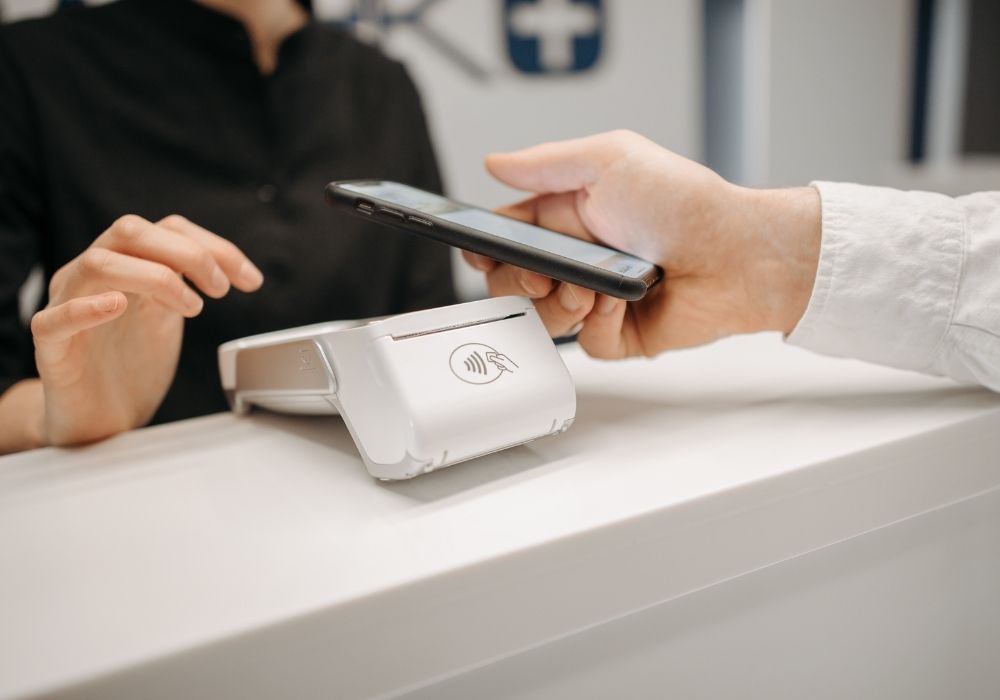
    Virtual cards live entirely in the card-not-present world, which makes 3-D Secure their primary authentication layer for online purchases. How challenges are delivered — and how your application participates in them — varies by provider. A concrete virtual card issuing API example that walks through the authentication flow is the fastest way to understand what your users will experience at checkout.

    How Issuing APIs Improve Fraud Prevention

    Issuing APIs strengthen fraud prevention by enabling real-time transaction controls that can approve, block, or flag activity as it occurs.

    They also support dynamic spending limits, allowing issuers to adjust thresholds by user, merchant, time, or risk condition.

    In addition, token-based risk reduction helps limit exposure by replacing sensitive card data with restricted-use credentials.

    Real-Time Transaction Controls

    Reduce fraud exposure by shifting authorization logic to the moment of purchase. Issuing APIs enable merchants and platforms to evaluate transactions with real-time analytics before approval, applying rules based on location, merchant type, device signals, and velocity. This approach strengthens compliance monitoring while preserving transaction flexibility for legitimate cardholders.

    Real-time controls also support proactive alerts, temporary card locks, and channel-specific permissions, improving user empowerment without delaying checkout.

    By combining behavioral insights with historical spending patterns, issuers can identify anomalies earlier and route events to case management systems through strong integration capabilities.

    Modern designs increasingly include privacy controls that restrict unnecessary data sharing while still supporting accurate risk decisions. Customer feedback loops further refine rule performance, reducing false positives and improving trust across digital payment experiences for consumers.

    Dynamic Spending Limits

    As fraud patterns shift across channels and merchants, dynamic spending limits give issuers a more granular way to contain risk without broadly restricting card usage. Through issuing APIs, limits can be recalibrated by merchant category, geography, time of day, transaction velocity, or account behavior. This allows temporary tightening after anomalous activity and automatic relaxation when risk signals normalize.

    The model supports fraud prevention while preserving authorization rates for legitimate purchases. It also aligns controls with adjustable user preferences, such as travel notices, recurring bill allowances, or category-specific caps.

    For commercial programs, APIs can map limits to budget rules, supplier tiers, and policy exceptions. Some platforms also coordinate spending thresholds with dynamic pricing strategies, helping issuers distinguish expected high-value transactions from suspicious spikes and reduce unnecessary declines across varied payment contexts.

    Token-Based Risk Reduction

    Beyond adjustable limits, token-based controls narrow fraud exposure by replacing primary account numbers with merchant-, device-, or wallet-specific credentials. Issuing APIs strengthen fraud mitigation through token utilization, data encryption, and stricter security protocols across payment environments.

    1. Token lifecycle management supports risk assessment by binding credentials to context, reducing replay attacks and limiting compromised data usefulness.
    2. Real-time transaction monitoring combines behavioral analytics, risk modeling, and user authentication to detect anomalies before authorization is finalized.
    3. Automated controls enforce compliance measures, trigger step-up verification, and deactivate exposed tokens without disrupting legitimate cardholder activity.

    This architecture improves fraud mitigation while preserving approval rates. By segmenting credentials and refining decision logic, issuers gain granular visibility, faster response times, and stronger protection against account takeover, synthetic identity abuse, and merchant-level breaches.

    Why Real-Time Spend Controls Matter More

    Because card programs now authorize transactions in milliseconds across more channels, real-time spend controls have become a core requirement rather than a premium feature. Issuers increasingly use personalized controls to set limits by merchant, category, amount, geography, or time, reducing fraud exposure and preventing unintended use before settlement.

    These controls also improve budget management by pairing transaction notifications with spending analytics and behavioral insights. Cardholders can react immediately, adjust preferences, and develop stronger financial literacy through clearer visibility into purchase patterns.

    For issuers, that visibility supports higher user engagement and better policy tuning without adding operational friction. Real-time intervention is especially valuable as wallets, virtual cards, and push provisioning accelerate transaction velocity.

    In practice, faster control loops strengthen consumer trust, lower dispute rates, and improve portfolio performance through more accurate authorization decisions.

    How Embedded Finance Expands Issuing Use Cases

    Embedded finance is widening the scope of card issuing beyond generic payment tools into vertical-specific card programs tailored to distinct operational needs.

    As platforms integrate issuing directly into software, in-app financial workflows can connect payments, controls, and reconciliation within a single user experience.

    This shift is expanding card utility across sectors while making issuance more context-specific and operationally embedded.

    Vertical-Specific Card Programs

    Sector-focused issuing programs are expanding as platforms tailor card products to the operating models, compliance needs, and payment flows of specific industries such as healthcare, logistics, travel, and construction.

    1. Niche segmentation strategies and target audience analysis guide program design, aligning spend controls, settlement timing, and reporting with sector requirements and user experience focus.
    2. Industry specific compliance shapes onboarding, transaction rules, and data handling, while custom branding options support enterprise adoption and market differentiation tactics.
    3. Unique rewards programs and partnership opportunities strengthen value propositions, helping platforms address supplier networks, contractor payouts, fleet expenses, or patient-related disbursements with greater precision.

    These verticalized approaches broaden issuing relevance beyond generic corporate cards, enabling providers to serve specialized operational contexts while improving adoption, retention, and measurable program performance across embedded finance ecosystems.

    In-App Financial Workflows

    Integrating card issuance directly into software workflows is expanding the practical scope of embedded finance, allowing platforms to initiate, fund, control, and reconcile payments without forcing users into separate banking interfaces. This model supports integrated payments across payroll, expense management, marketplace disbursements, and subscription ecosystems.

    Issuing APIs now enable in-app budgeting, automated savings, and mobile banking functions within nonbank applications, creating a seamless user experience. Platforms combine user analytics and transaction insights to automate controls, trigger personalized offers, and improve customer engagement.

    Financial gamification features, such as spending goals, rewards, and milestone tracking, increase retention while reinforcing healthy usage patterns. As embedded finance matures, in-app financial workflows are becoming a core differentiator, turning cards from standalone payment tools into programmable components of broader software-defined financial operations.

    What Issuing APIs Need for Global Scale?

    Scale in card issuing depends on infrastructure that can operate reliably across jurisdictions, currencies, networks, and regulatory regimes. Global scale requires global compliance, infrastructure scalability, and resilient technology integration. Providers must support cross border transactions while addressing regulatory challenges, data security, and uptime expectations.

    1. Compliance architecture: Modular controls, audit trails, and regional processing capabilities help meet local rules and improve market adaptability.
    2. Localization strategies: Currency support, language options, network routing, and fraud models tailored to local behavior protect user experience across markets.
    3. Partnership ecosystems: Sponsoring banks, processors, and network partners extend reach, strengthen acceptance, and reduce launch friction in new regions.

    At scale, issuing APIs succeed when technical reliability, legal readiness, and operational flexibility align. That combination enables expansion without compromising security, performance, or customer trust globally.

    How Issuing APIs Simplify Program Management

    Issuing APIs reduce program complexity by centralizing controls across card products, spending rules, and user permissions.

    They also automate lifecycle workflows such as issuance, activation, replacement, and closure, which lowers manual operational effort.

    In parallel, real-time funding oversight improves balance visibility, supports tighter controls, and enables faster program-level decisions.

    Unified Program Controls

    Centralize program controls through a modern API, and card issuers gain a single layer for configuring spend limits, merchant category rules, geographic restrictions, velocity checks, and approval workflows. This model supports unified spending controls while reducing fragmentation across products, processors, and regions.

    1. Configuration consistency: Standardized policy engines improve program integration strategies, expand customization options, and support multi channel accessibility across consumer, commercial, and virtual card programs.
    2. Oversight and risk: Centralized dashboards address compliance management challenges through security protocols evaluation, regulatory adaptation strategies, and data analytics capabilities that surface anomalies and policy gaps.
    3. Operational alignment: Shared interfaces provide stakeholder collaboration tools and user experience enhancements, enabling faster policy updates, clearer governance, and more predictable control execution across distributed issuing environments and partner ecosystems globally.

    Automated Lifecycle Workflows

    Once unified controls are in place, automated lifecycle workflows extend that consistency across card creation, activation, funding, renewal, suspension, replacement, and closure.

    Issuing APIs coordinate each event through rules engines, data integration, and standardized triggers, reducing manual intervention and supporting operational efficiency across program management.

    They also enable seamless onboarding, automated notifications, and compliance tracking at every stage, helping teams maintain accurate records while shortening response times.

    Embedded risk assessment can prompt holds, reissuance, or verification steps based on policy thresholds.

    At the portfolio level, lifecycle analytics reveal bottlenecks, exception rates, and servicing patterns that inform cost optimization decisions.

    Structured customer feedback and measured user engagement further refine workflow design, allowing issuers to adjust messaging, eligibility logic, and service paths without rebuilding core infrastructure.

    This improves scalability and governance.

    Real-Time Funding Oversight

    Strengthen funding control by exposing balances, spend limits, ledger movements, and authorization outcomes through real-time API events and dashboards. Issuing platforms give program managers immediate visibility into float positions, declined transactions, and settlement timing, improving operational efficiency and user experience while supporting compliance regulations.

    1. Real time analytics consolidate wallet loads, card spend, and reversals for accurate transaction monitoring and faster treasury decisions.
    2. Fraud detection rules react to unusual velocity, merchant patterns, and geography, while strong data security controls protect sensitive payment and account records.
    3. API orchestration reduces integration challenges across processors, banks, and ledgers, although scalability issues remain critical as volumes rise and market competition intensifies.

    This oversight model simplifies reconciliation, strengthens controls, and helps issuers adjust funding strategies before exposure, service disruptions, or losses expand.

    Which Issuing API Features Buyers Want Most?

    What do buyers prioritize most in issuing APIs as programs become more complex and risk controls tighten? Selection criteria center on operational reliability and measurable business impact.

    Buyers increasingly favor user experience enhancements supported by user centric design, especially for onboarding, provisioning, and card controls. They also rank compliance automation highly, seeking reduced manual review and clearer auditability.

    Integration flexibility remains critical because issuers must connect processors, ledgers, fraud tools, and wallet providers without lengthy custom work.

    Cost efficiency shapes final vendor decisions, but not in isolation. Buyers compare scalability options for geographic expansion, transaction growth, and product diversification.

    Security features are expected as baseline requirements, with differentiation coming from analytics capabilities, customization options, and responsive support services. Together, these features determine implementation speed, control depth, and long term program resilience.

    Where Card Issuing APIs Go After 2027

    As card programs extend across embedded finance, cross border commerce, and real time payments, issuing APIs after 2027 are likely to evolve from transaction tooling into adaptive orchestration layers.

    1. Intelligence: future innovations will center on policy automation, network routing, and risk controls shaped by technological advancements and consumer expectations.
    2. Resilience: providers will differentiate through scalability solutions, stronger data privacy, and lower integration challenges across banking, wallets, and identity systems.
    3. Positioning: market disruptions and regulatory impacts will redraw the competitive landscape, making compliance agility and measurable user experience central buying criteria.

    Beyond feature expansion, platforms will be judged by how effectively they coordinate issuance, tokenization, fraud decisioning, settlement visibility, and ledger synchronization.

    The direction points toward modular infrastructure that abstracts complexity while supporting faster product iteration for global programs at scale.

    Frequently Asked Questions

    How Do Card Issuing APIS Affect Accounting and Reconciliation Workflows?

    Card issuing APIs streamline accounting and reconciliation workflows by automating transaction capture, improving transaction accuracy, and accelerating ledger updates. They support financial integration across platforms, reduce manual errors, enhance auditability, and enable faster exception handling and reporting.

    What Staffing Is Needed to Manage an Issuing API Program?

    Like a well-tuned engine, staffing requires defined staff roles and clear team structure, supported by training programs. Personnel must address compliance requirements, technology needs, integration challenges, performance metrics, and risk management with disciplined operational oversight.

    How Long Does Issuing API Migration Typically Take?

    It typically takes three to nine months, though timeline variations depend on integration scope, compliance reviews, processor coordination, and testing depth. Migration challenges can extend schedules beyond a year for complex programs, legacy systems, or multinational requirements.

    What Contracts and SLAS Should Issuers Negotiate With API Providers?

    Although standard terms seem faster, issuers should negotiate contract flexibility, clear data ownership, exit assistance, pricing protections, compliance responsibilities, indemnities, and SLA benchmarks covering uptime, latency, incident response, dispute resolution, change management, and audit rights.

    How Do Card Issuing APIS Impact Customer Support Operations?

    Card issuing APIs reshape customer support operations by improving customer experience through support automation, accelerating issue resolution with real-time data access, and strengthening feedback loops that help teams identify recurrent problems, reduce manual workloads, and standardize responses.

    Final words

    By 2027, card issuing APIs will define a faster, safer, more programmable payments ecosystem. Instant issuance will shorten time to first use, tokenized wallets will reduce exposure to fraud, and virtual cards will expand control across consumer and commercial spending. At scale, issuers will need stronger compliance, broader global reach, and clearer program oversight. Beyond 2027, success will depend not only on issuing cards quickly, but on issuing them intelligently, securely, and universally.


  • Digital Locks: Smarter Security for Modern Homes

    Digital Locks: Smarter Security for Modern Homes

    Locksmith Ninja Perth has expanded its residential security services with digital lock installation, giving homeowners in Northbridge and surrounding Perth areas access to modern door-entry options that can include fingerprint access and other smart features.

    The new service adds digital locks to the company’s existing range of residential locksmith solutions, which includes lock replacement, rekeying, key copying, lock repairs, emergency lockout assistance, break-in repairs and safe installations.

    Addressing Changing Home Security Needs

    As residential security technology develops, homeowners have increasingly more options beyond traditional mechanical keys. Digital door locks can provide alternative methods of entry while reducing reliance on conventional keys, depending on the system selected and the property’s requirements.

    Digital locks may incorporate features such as fingerprint recognition, electronic access codes and other smart-entry functions. These technologies can offer households additional flexibility in managing access to their properties.

    For homeowners considering a digital lock, factors such as door compatibility, access requirements, power supply, installation quality and the appropriate security configuration can influence which system is suitable.

    Locksmith Ninja Perth Expands Digital Lock Services

    Locksmith Ninja Perth now provides digital door lock installation as part of its broader home security offering. The service is intended for homeowners seeking to incorporate electronic access technology into residential doors.

    The company also continues to provide conventional locksmith services, allowing customers to address different security and access needs through a single service provider.

    Its residential services include:

    • Digital door lock installation
    • Lock replacement
    • Lock rekeying
    • Key copying
    • Lock repairs
    • Emergency lockout assistance
    • Break-in and damaged-lock repairs
    • Safe installation

    The company’s digital lock service includes smart options such as fingerprint access, depending on the selected lock and property requirements.

    Supporting Residential Security

    Locksmith Ninja Perth provides locksmith and home security services for residential properties in Northbridge and the wider Perth area. Its service range is designed to address both routine security requirements and situations requiring prompt assistance, including lockouts and repairs following a break-in.

    The addition of digital locks reflects the company’s broader approach to residential security, combining traditional locksmith services with newer access-control technologies.

    Additional details are available at: https://share.google/KhPbrzz2X4jIOOShr

    “Digital locks give homeowners another option when considering how they want to manage access to their property,” a Locksmith Ninja Perth spokesperson said. “Our role is to help customers understand their options and install a system that is appropriate for their door and security requirements.”

    Company Background

    Locksmith Ninja Perth provides residential locksmith and home security services in Perth, Western Australia. The company handles lock replacements, rekeying, key copying and repairs, alongside emergency locksmith assistance and security-related services.

    Its offerings also include digital door lock installation, with smart features such as fingerprint access available on compatible systems. The company provides support for homeowners dealing with routine lock requirements, lockouts, break-in repairs and safe installations.

    Future Outlook

    Locksmith Ninja Perth’s addition of digital lock installation reflects the continued development of residential access technology. As smart security products become more widely available, homeowners can consider electronic entry systems alongside traditional locks when reviewing their property’s security needs.

    The company plans to continue supporting residential customers with a combination of established locksmith services and modern security solutions.

    About Locksmith Ninja Perth

    Locksmith Ninja Perth is a residential locksmith and home security service provider serving Northbridge and the Perth, Western Australia area. The company provides lock replacement, rekeying, key copying, lock repairs, emergency lockout assistance, break-in repairs, safe installations and digital door lock installation.

    Media Contact

    Locksmith Ninja Perth
    Email: admin@lockninja.com.au
    Phone: +61 413 320 222
    Website: locksmithninjaperth.com.au

  • Alexandria Dryer Vent Cleaning Service Expands Local Home Care

    Alexandria Dryer Vent Cleaning Service Expands Local Home Care

    AirDuctVet Dryer & Vent Cleaning Services has expanded its local dryer vent cleaning service for homeowners and businesses in Alexandria, Virginia, adding greater access to professional vent maintenance as part of the company’s residential and commercial cleaning operations.

    The veteran-owned company, headquartered in Alexandria and serving communities throughout the greater DMV area, provides dryer vent cleaning using professional rotating-brush equipment, followed by an airflow check. The service is designed to address lint buildup and help maintain proper dryer ventilation.

    Addressing Dryer Vent Maintenance

    Dryer vent systems can accumulate lint and other debris over time, potentially restricting airflow and reducing dryer efficiency. Regular inspection and cleaning can help property owners identify buildup, access limitations or other conditions that may affect the vent system.

    AirDuctVet’s expanded Alexandria service reflects the company’s broader focus on home-maintenance services intended to support cleaner indoor environments and safer property operation. Its service area currently includes Alexandria and other Northern Virginia, Maryland and Washington, D.C., communities.

    Company Response

    For dryer vent cleaning appointments, AirDuctVet says its technicians use a rotating-brush cleaning process rather than relying solely on suction. The company’s published service scope includes cleaning the vent, inspecting accessible interior and exterior connections, and checking airflow after the work is completed.

    The company also provides property-specific quotes and identifies access conditions or unusual blockages before service when those factors may affect the scope of work. AirDuctVet says customers receive an explanation of the recommended service, scope and pricing before scheduling.

    Service Details

    The Alexandria dryer vent cleaning service includes:

    • Professional rotating-brush vent cleaning
    • Inspection of accessible interior and exterior connections
    • Airflow testing after cleaning
    • Residential and commercial service
    • Property-specific service scope and quoting
    • Payment after service is completed

    AirDuctVet’s website also states that its services are backed by a 90-day workmanship warranty.

    Executive Quote

    “Our goal is to make dryer vent maintenance straightforward for Alexandria property owners,” said a company spokesperson for AirDuctVet. “We explain the scope before the work begins, use professional equipment appropriate for the service, and check airflow after cleaning so customers understand what was completed.”

    Company Background

    AirDuctVet Dryer & Vent Cleaning Services is a veteran-owned, SBA-certified and BBB-accredited company headquartered in Alexandria, Virginia. The company provides residential and commercial air duct cleaning, dryer vent cleaning, chimney sweeping and HVAC sanitizing services across the DMV area, as well as selected markets in North Carolina and South Florida.

    Additional details are available at: https://share.google/VxWiD2Jx34yZYB4as

    According to the company, its operating approach combines military discipline with microbiological knowledge and professional source-removal methods. Its equipment includes commercial HEPA negative-air machines, rotating-brush systems, compressors and inspection cameras.

    Future Outlook

    AirDuctVet plans to continue providing locally accessible cleaning and maintenance services throughout Alexandria and surrounding Northern Virginia communities. The company says its approach will remain focused on clear service scopes, professional equipment and documented work for residential and commercial customers.

    About AirDuctVet Dryer & Vent Cleaning Services

    AirDuctVet Dryer & Vent Cleaning Services is a veteran-owned, SBA-certified and BBB-accredited cleaning company headquartered in Alexandria, Virginia. The company provides air duct cleaning, dryer vent cleaning, chimney sweeping and HVAC sanitizing services for residential and commercial properties. AirDuctVet serves Alexandria, Arlington, Fairfax, Woodbridge, Manassas, Leesburg, Vienna, Washington, D.C., Bethesda, Potomac and nearby communities.

    Media Contact

    AirDuctVet Dryer & Vent Cleaning Services
    Email: info@airductvet.com
    Phone: 571-970-8489
    Website: airductvet.com

  • Professional Commercial Movers Now Serving Skokie Businesses

    Professional Commercial Movers Now Serving Skokie Businesses

    Asher Movers Local & Long Distance has expanded its moving service coverage to provide professional commercial moving services for businesses in Skokie, Illinois. The new service is designed to support businesses planning office relocations, commercial moves and other workplace transitions within Skokie and the surrounding Chicago area.

    Meeting the Challenges of Commercial Relocation

    Commercial relocations can involve coordinating employees, office equipment, furniture, documents and other business property while maintaining continuity of operations. Businesses may also face tight moving schedules and logistical requirements that differ from residential relocations.

    Asher Movers is responding to these needs by making its commercial moving services available to Skokie businesses seeking organized relocation support.

    Asher Movers’ Response

    The company’s expanded service area gives Skokie businesses access to a moving provider with experience serving commercial and residential customers throughout Chicago and nearby suburbs. Its commercial moving solutions are intended to help businesses coordinate the physical relocation of workplace belongings from one location to another.

    Commercial Moving Services in Skokie

    Asher Movers provides commercial relocation support for businesses that need assistance moving office furniture, equipment and other business property. Service planning can be tailored to the requirements of each relocation, including the size and scope of the move.

    The company’s broader service offerings also include:

    • Local moving
    • Long-distance moving
    • Commercial relocation
    • Apartment moving
    • Packing services
    • Piano moving
    • Specialty moving solutions

    With the addition of Skokie commercial moving coverage, local businesses can work with Asher Movers when planning a relocation within the community or to another Chicago-area destination.

    Company Background

    Asher Movers Local & Long Distance is a Chicago moving company serving homeowners, businesses, students and military families throughout Chicago and nearby suburbs. The company provides local and long-distance moving, commercial relocation, apartment moving, packing, piano moving and specialty moving services.

    Additional details are available at: https://share.google/ARk5r1Acgk9hptlQg

    Asher Movers states that its movers are licensed and insured and focuses on careful handling and customized moving solutions for different relocation needs.

    Executive Quote

    “Expanding our commercial moving services to Skokie allows us to support businesses in another Chicago-area community as they plan and manage their relocations,” said a representative of Asher Movers. “Our goal is to provide organized moving support tailored to the specific requirements of each business move.”

    Future Outlook

    Asher Movers plans to continue serving businesses and residents throughout Chicago and its surrounding suburbs as demand for professional relocation services evolves. The addition of Skokie strengthens the company’s local service coverage while extending its commercial moving capabilities to more area businesses.

    About Asher Movers Local & Long Distance

    Asher Movers Local & Long Distance is a Chicago moving company providing local moving, long-distance moving, commercial relocation, apartment moving, packing, piano moving and specialty moving services throughout Chicago and nearby suburbs. The company serves homeowners, businesses, students and military families with customized moving solutions and careful handling.

    Media Contact

    Asher Movers Local & Long Distance
    Email: info@ashermovers.com
    Phone: 773-638-4167
    Website: ashermovers.com

  • Tarrytown Roofing Expands Roof Replacement Services Across Austin, Texas

    Tarrytown Roofing Expands Roof Replacement Services Across Austin, Texas

    Tarrytown Roofing has announced the expansion of its roof replacement services throughout Austin and surrounding communities, increasing access to residential and commercial roofing solutions designed to address aging roofs, storm-related damage, and long-term property protection.

    As Central Texas continues to experience severe weather events, fluctuating temperatures, and seasonal hailstorms, many property owners are evaluating the condition of their roofs and planning replacement projects. The expanded service offering is intended to provide homeowners and commercial property managers with additional access to comprehensive roof replacement solutions supported by experienced installation practices and a broad selection of roofing materials.

    The expanded roof replacement services include complete roof assessments, removal of existing roofing systems, installation of new roofing materials, and project planning tailored to the property’s structural and aesthetic requirements. Tarrytown Roofing works with multiple roofing systems, including asphalt shingles, metal roofing, tile, slate, flat roofing systems, and solar-compatible roofing solutions. The company also provides gutter services, exterior siding solutions, and storm damage restoration for clients navigating hail and wind insurance claims.

    “Our goal is to provide property owners with dependable roof replacement solutions that help protect their investment while simplifying the roofing process,” said a spokesperson for Tarrytown Roofing. “By expanding these services, we are better positioned to serve homeowners and businesses throughout Austin with solutions that reflect their property’s specific needs.”

    Tarrytown Roofing is a family-owned roofing company serving residential and commercial customers across Austin, Texas, and nearby communities. The company provides roof installation, repair, maintenance, replacement, storm damage restoration, gutter installation, and siding services. Its projects encompass a variety of roofing materials and property types, with an emphasis on workmanship, communication, and long-term roof performance. The company also offers free roof inspections to help property owners better understand the condition of their roofing systems before making repair or replacement decisions.

    Additional details are available at: https://share.google/FSAdcLsUiOwdP7pXf

    The service expansion reflects the company’s continued investment in meeting the evolving roofing needs of the Austin market while supporting property owners seeking reliable roofing solutions after weather-related events or as part of long-term property maintenance.

    About Tarrytown Roofing

    Tarrytown Roofing is a family-owned roofing contractor serving Austin, Texas, and surrounding communities. The company provides residential and commercial roofing services, including roof replacement, installation, repair, maintenance, storm damage restoration, gutter services, and exterior siding solutions. Tarrytown Roofing works with shingle, metal, tile, slate, flat, and solar roofing systems while assisting property owners with roofing projects designed to protect and maintain their homes and commercial buildings.

    Media Contact

    Tarrytown Roofing

    Email: wolfgang@tarrytownroofing.com

    Phone: 512-645-1318

    Website: https://tarrytownroofing.com/

  • Urgent Care Services Now Available for Fast Medical Treatment

    Urgent Care Services Now Available for Fast Medical Treatment

    Honolulu Urgent Care Clinic announced the availability of expanded urgent care services designed to provide convenient, same-day medical treatment for residents and visitors seeking prompt care for non-life-threatening illnesses and injuries. The clinic’s enhanced services support the growing need for accessible healthcare in Honolulu while offering an alternative to emergency room visits for many common medical concerns.

    As demand for timely healthcare continues to increase across Honolulu and the Waikiki area, patients often seek medical attention without the extended wait times commonly associated with emergency departments. Walk-in urgent care clinics play an important role in delivering immediate evaluation and treatment for illnesses and injuries that require prompt attention but are not medical emergencies.

    Honolulu Urgent Care Clinic provides walk-in medical care for a broad range of conditions, including cold and flu symptoms, infections, allergic reactions, asthma, headaches, minor injuries, animal bites, insect stings, and other non-emergency health concerns. The clinic also offers COVID-19 testing, physical examinations, immunizations, vaccinations, laboratory testing, occupational health services, preventive care, and primary care services.

    Additional details are available at: https://share.google/pxUUidmx8tz1OpLcm

    The expanded availability of services reflects the clinic’s ongoing commitment to improving access to healthcare for both local residents and travelers visiting Honolulu. Located near Waikiki, the clinic offers patients a convenient option for receiving medical care without requiring an appointment.

    “Providing timely access to quality healthcare remains a priority for our team,” said a spokesperson for Honolulu Urgent Care Clinic. “By expanding our urgent care services, we aim to help patients receive prompt evaluation and treatment while supporting the healthcare needs of both our local community and the many visitors who come to Honolulu throughout the year.”

    The clinic’s experienced healthcare professionals deliver compassionate medical care using a patient-centered approach. Whether treating seasonal illnesses, workplace injuries, or routine preventive healthcare needs, the medical team focuses on efficient evaluation and appropriate treatment recommendations based on each patient’s individual condition.

    Healthcare accessibility remains an important consideration for communities with significant tourism activity such as Honolulu. The clinic’s location and walk-in availability provide an option for individuals seeking Waikiki urgent care Honolulu services when unexpected medical concerns arise during daily activities, work, or travel.

    Looking ahead, Honolulu Urgent Care Clinic plans to continue expanding patient access to comprehensive healthcare services while supporting the health and wellness needs of the Honolulu community through convenient, same-day medical care.

    About Honolulu Urgent Care Clinic

    Honolulu Urgent Care Clinic provides convenient walk-in urgent care and primary care services in Honolulu, Hawaii. The clinic treats a wide range of minor illnesses and injuries, including allergic reactions, infections, asthma, cold and flu symptoms, headaches, animal bites, insect stings, and other non-emergency medical conditions. Additional services include COVID-19 testing, physical examinations, immunizations, vaccinations, laboratory testing, occupational health services, and preventive care. Honolulu Urgent Care Clinic is committed to providing compassionate, accessible healthcare for residents and visitors seeking reliable same-day medical treatment.

    Media Contact

    Honolulu Urgent Care Clinic
    Website: https://honoluluurgentcare.com/
    Email: Hello@honoluluurgentcare.com
    Phone: 808-470-5555

  • AL TACOS LOCOS Celebrates Grand Opening of Halal Mexican Restaurant in Jenkintown, PA

    AL TACOS LOCOS Celebrates Grand Opening of Halal Mexican Restaurant in Jenkintown, PA

    AL TACOS LOCOS has announced the grand opening of its new Halal Mexican restaurant in Jenkintown, Pennsylvania, expanding local dining options with a menu centered on authentic Mexican recipes prepared exclusively with halal ingredients. The restaurant introduces a new destination for residents and visitors seeking freshly prepared Mexican cuisine while accommodating halal dietary preferences.

    As demand for diverse dining experiences continues to grow, many consumers are looking for restaurants that combine authentic international flavors with halal food preparation. AL TACOS LOCOS was established to address this need by offering traditional Mexican dishes prepared with fresh ingredients and made-to-order service.

    The restaurant’s menu features a variety of signature offerings, including Birria Tacos, Quesabirrias, Lamb Tacos, Fish Tacos, Shrimp Tacos, and Hot Chicken Tacos. Guests can also enjoy halal burritos, traditional halal tacos, and additional menu selections prepared daily. The restaurant offers dine-in and takeout services while also serving customers looking for late-night dining options.

    “Our goal is to provide the Jenkintown community with authentic Halal Mexican food prepared with quality ingredients and consistent attention to flavor,” said a spokesperson for AL TACOS LOCOS. “We are pleased to open our doors and offer customers a welcoming place to enjoy freshly made meals throughout the day and into the evening.”

    The grand opening represents the company’s commitment to expanding halal dining opportunities within the local community while maintaining traditional Mexican cooking techniques and generous portion sizes. The restaurant aims to serve families, professionals, students, and visitors seeking convenient access to halal Mexican cuisine in Jenkintown.

    Additional details are available at: https://share.google/kbZaud22ZC6RebzpY

    Located in Jenkintown, AL TACOS LOCOS focuses on delivering freshly prepared meals in a casual dining environment. The restaurant emphasizes authentic recipes, halal ingredients, and friendly customer service while continuing to expand its presence within the local food community.

    About AL TACOS LOCOS

    AL TACOS LOCOS is a fast-food restaurant serving authentic Halal Mexican cuisine in Jenkintown, Pennsylvania. The restaurant specializes in Birria Tacos, Quesabirrias, Lamb Tacos, Fish Tacos, Shrimp Tacos, Hot Chicken Tacos, halal burritos, and other made-to-order Mexican favorites prepared with fresh halal ingredients. AL TACOS LOCOS offers dine-in, takeout, and late-night dining options for customers throughout the Jenkintown area.

    Media Contact

    AL TACOS LOCOS
    Email: altacoslocos@gmail.com
    Phone: 215-883-6446
    Website: https://altacoslocos.com/

  • How to Keep Online Purchases Private in Norway

    How to Keep Online Purchases Private in Norway

    You can keep online purchases private in Norway by using guest checkout, unique emails or aliases, and disposable virtual cards or prepaid gift cards; don’t save payment details and enable two‑factor auth on any accounts you keep. Pick GDPR‑compliant retailers, review privacy policies, opt out of marketing, block third‑party cookies, use a trusted no‑logs VPN and parcel lockers for delivery. Limit shared fields to essentials and request deletion when allowed — more practical steps follow if you want them.

    Key Takeaways

    • Use single-use virtual cards, prepaid gift cards, or privacy-focused wallets to avoid exposing your real card details.
    • Shop on HTTPS sites and verify retailer GDPR/Personal Data Act compliance before providing personal information.
    • Checkout as guest, use a separate purchase-only email, and decline marketing consents to limit stored data.
    • Block third-party cookies and use privacy browser extensions or private profiles to prevent cross-site tracking.
    • Ship to parcel lockers or neutral pickup points instead of your home address to protect delivery privacy.

    Quick Privacy Checklist for Online Shopping

    Start with these essentials to keep your online purchases private: use strong, unique passwords and enable two-factor authentication on shopping accounts; shop on sites that use HTTPS and reputable payment processors; avoid saving payment details unless necessary and prefer virtual cards or one-time tokens; limit sharing personal info to required fields and use a separate email for purchases; and regularly review and delete stored data, order histories, and app permissions.

    You should enable secure browsing settings, clear cookies after sessions, and block trackers or third-party scripts. Consider anonymous shopping techniques like using burner emails and privacy-focused payment options when appropriate.

    Keep device software and privacy settings current, audit installed shopping apps, and restrict unnecessary permissions to maintain compliance with data minimization principles.

    Making Every Checkout Feel Safe Again

    Checkout pages used to come with a small flinch—could we trust this site with our card? A friend lost that hesitation by using a virtual card for safe checkout on any site every time. She pointed us to Card29, and our online buying feels different now. Each transaction runs on a capped, disposable prepaid card, so even a careless merchant can’t reach our real credit card. Walking into every checkout with a contained VCC swaps a moment of doubt for one of confidence.

    How to Evaluate a Retailer’s Privacy Practices (Norway & Abroad)

    After you’ve tightened account settings and limited data sharing, check how a retailer actually handles the information you give them—both in Norway and when buying from foreign sellers.

    Review the privacy policy for clear commitments to retailer transparency: look for data purpose, retention periods, and sharing with third parties. Confirm compliance with GDPR for EU/EEA sellers and with Norway’s Personal Data Act.

    Verify whether the site uses strong data encryption (HTTPS, TLS) for transactions and storage; absence is a red flag.

    Check cookie banners and opt-out options, and see if they offer data access, correction, and deletion requests.

    Look up recent privacy audits, breach history, and supervisory authority decisions. If practices aren’t documented or enforceable, don’t proceed until you get satisfactory answers.

    Choose Privacy-Friendly Retailers

    When you pick a retailer, prioritize sellers that publish clear, enforceable privacy commitments and give you control over your data.

    Check their privacy policy for lawful bases, retention limits, and contact details for a DPO or data protection representative in Norway.

    Verify retailer reputation through independent reviews, consumer protection sites, and official registers to confirm compliance history and complaint resolution.

    Prefer vendors that minimize required data, offer pseudonymous payment options, and document secure shipping practices, including limited data on labels and tamper-evident packaging.

    Look for explicit promises not to sell or share your data and clear instructions for exercising your GDPR rights.

    Keep evidence of policies and communications in case you need to escalate or lodge a complaint.

    Avoid Accounts: Guest Checkout and Account Hygiene

    Want to limit how much of your personal data a retailer can keep? Use guest checkout benefits whenever available: complete a purchase without creating an account, give only required fields, and decline marketing consents. That reduces stored identifiers and the breach surface.

    When an account is unavoidable, practice strict account hygiene: use a unique, strong password, enable two-factor authentication, and review connected payment methods regularly.

    Delete unused accounts or anonymize profile details (remove address, phone) after purchases to limit retention. Keep email for receipts separate from your primary inbox to contain tracking.

    Log out after sessions and avoid saving payment details on merchant sites. These steps balance convenience with compliance and improve account security across Norwegian retailers.

    Use Disposable Virtual Cards and Privacy-Focused Banks

    Limiting account data helps, but you can further reduce merchant access to your finances by using disposable virtual cards and banks that prioritize privacy.

    You’ll generate single-use card numbers for specific purchases, isolating each transaction and limiting exposure if a merchant is breached. Disposable card benefits include controlled spend limits, automatic expiration, and easy cancellation without affecting your main account.

    Choose Norwegian or EU-regulated banks and fintechs that publish strong privacy policies, minimal data retention, and clear processing agreements to reduce third-party sharing.

    Virtual banking security matters: enable MFA, keep app/software updated, and review transaction logs regularly.

    For compliance, verify the provider’s licensing and PSD2/APIs handling.

    Combine disposable cards with a privacy-focused bank to shrink your financial footprint.

    Choose Payment Methods That Protect Your Identity

    When you want to keep purchases unlinkable to your identity, choose payment options that limit personal data exposure.

    Use prepaid virtual cards for one-off transactions, privacy-focused wallets that minimize tracking, or cash-like instruments (gift cards, money orders, crypto with proper precautions) when acceptable.

    These choices reduce merchant and processor access to your real financial details and help you stay compliant with privacy best practices.

    Use Prepaid Virtual Cards

    If you prefer not to expose your main bank or credit-card details, use a prepaid virtual card for online purchases; it gives you a disposable payment number tied to a limited balance and often a controlled expiration.

    You’ll get prepaid benefits like reduced exposure from data breaches and tighter spending control. Choose a provider regulated in Norway or the EEA to ensure compliance with AML and consumer-protection rules.

    Top up only the necessary amount, set single-use or merchant-locked numbers when available, and check transaction descriptions against receipts.

    Store virtual card credentials securely and delete them after use. If a merchant requests refunds, know the provider’s procedures to return funds.

    Review fees and limits to confirm the card suits your privacy and compliance needs.

    Opt For Privacy-Focused Wallets

    Because payment tools differ in how much personal data they reveal, choose wallets that minimise linkable identity and transaction metadata. You should prefer privacy-focused wallets that support cryptocurrency payments and strong on-device key management. They reduce exposure to merchant tracking and protect digital privacy when used correctly.

    1. Use non-custodial wallets to retain control of private keys and avoid third-party KYC linkage.
    2. Pick wallets with coin-mixing or privacy protocols (e.g., CoinJoin, coin tumbling alternatives) for unlinkability.
    3. Separate wallets for merchant payments vs savings to limit cross-transaction correlation.
    4. Verify wallet open-source audits and avoid wallets that leak IP, device identifiers, or require excessive permissions.

    Follow local compliance and reporting rules while prioritising technical privacy controls.

    Choose Cash-Like Instruments

    Think of prepaid cards, gift cards, and cash-deposit services as digital cash: they let you pay without tying purchases to your name or long-term account history.

    Use prepaid or disposable gift cards bought with cash to minimize traces; register only if required and avoid linking to personal accounts.

    When available, choose regulated cash alternatives that limit personal data retention and comply with Norwegian anti-money-laundering rules.

    Be cautious with vouchers sold online—buy from trusted vendors and keep receipts to prove legitimate origin.

    If you use digital currency, prefer privacy-aware services and convert through reputable exchanges that follow local regulations.

    Document compliance steps for audits and avoid large, repetitive deposits that could trigger reporting.

    Balance privacy goals with legal obligations.

    Don’t Save Cards or Enable Recurring Payments

    When you don’t store card details or enable automatic payments, you reduce the number of places your financial data can be exposed and simplify breach recovery.

    You’ll trade some payment convenience for stronger card security and easier control over transactions. Don’t save cards on merchant sites; enter details per purchase or use single-use virtual cards from your bank.

    Avoid recurring billing unless you trust the vendor and have written terms.

    1. Use tokenized or virtual cards for one-off purchases.
    2. Review statements monthly and cancel unknown recurring charges.
    3. Require emailed receipts and no stored payment methods in account settings.
    4. Prefer manual renewals for subscriptions; set calendar reminders.

    This reduces long-term exposure and helps with compliance reporting.

    Cut Tracking: Block Cookies, Trackers and Third-Party Scripts

    Don’t let sites stitch together your shopping behavior — block third-party cookies to stop basic cross-site tracking.

    Turn on browser features or extensions that disable cross-site trackers and strip tracking parameters from URLs.

    Also prevent script fingerprinting by restricting or sandboxing third-party scripts so they can’t uniquely identify your device.

    Block Third-Party Cookies

    Because third-party cookies let trackers follow your shopping across sites, you should block them to stop profiling and targeted ads.

    Do this using cookie management tools and privacy browser extensions so sites still work while trackers don’t. Configure browser settings to reject third-party cookies by default, then allow exceptions for merchants you trust.

    1. Enable third-party cookie blocking in settings and test key sites for functionality.
    2. Install privacy browser extensions that show and block hidden trackers; update them regularly.
    3. Use cookie management tools to clear unwanted cookies and set short lifespans for permitted ones.
    4. Log changes and review consent banners; keep documentation for compliance with Norwegian privacy expectations.

    Blocking third-party cookies reduces cross-site profiling while preserving necessary shopping functions.

    Disable Cross-Site Trackers

    If you want to stop trackers from stitching your activity across sites, cut off not just third‑party cookies but also cross‑site scripts and tracking pixels by blocking or sandboxing them at the browser and network level.

    You should enable tracker blocking tools in your browser, use extensions that isolate or remove third‑party scripts, and configure a privacy‑focused DNS or local network blocker to reduce external calls.

    Apply data minimization strategies: limit permissions, disable autofill for payments, and avoid cross‑site logins unless necessary.

    For compliance with Norwegian privacy expectations, document settings and consent choices, and periodically review allowed exceptions.

    Test purchases in a locked profile or private window to confirm trackers are blocked and no unexpected requests leave your device.

    Prevent Script Fingerprinting

    When attackers can’t rely on cookies or third‑party scripts, they turn to script fingerprinting. You should harden your browser and network against any JavaScript that can uniquely identify your device or behavior.

    You’ll reduce risk by controlling script execution, limiting entropy sources, and enforcing consistent privacy signals across sessions. Use browser extensions and privacy tools that block or randomize APIs used for fingerprinting, and keep them updated.

    1. Disable unnecessary JavaScript selectively; allow only trusted domains.
    2. Use privacy tools that spoof or standardize canvas, WebGL, fonts, and time zone.
    3. Run a content blocker plus an extension that enforces strict fingerprint resistance mode.
    4. Test your setup with online fingerprint checks and adjust settings to meet compliance requirements.

    Shop in Private Browsing or a Privacy-First Browser

    Although private windows won’t make you anonymous, they stop your browser from storing cookies, history, and form data that can link purchases to your device. Use private browsing for one-off buys or when sharing a device to reduce local traces. That prevents autofill of billing details and avoids persistent tracking cookies tying sessions together.

    Choose privacy browsers that block trackers by default and offer isolated containers or fingerprint-hardening features. Check settings: disable third-party cookies, clear site data on close, and turn off password sync if you want no cloud record.

    For recurring vendors, create separate profiles to limit cross-site linkage. Keep receipts and payment instruments separate from your browsing profile so compliant accounting or warranty needs don’t re-link purchases to your browsing activity.

    Use a VPN or Secure DNS for Safer Checkouts

    When you check out, use a trusted VPN to encrypt your connection so ISPs or Wi‑Fi operators can’t snoop on payment data.

    If you prefer not to run a VPN, configure a secure DNS service that blocks malicious domains and prevents DNS leaks.

    Pick reputable providers with clear privacy policies and minimal logging to stay compliant and reduce risk.

    Use a Trusted VPN

    If you want to keep your checkout details private, use a trusted VPN (or a secure DNS service) to encrypt your connection and prevent eavesdropping or ISP tracking.

    You’ll gain VPN Benefits like Secure Connections and Data Encryption that safeguard card and account info. Choose a provider that emphasizes Online Anonymity and clear Privacy Protocols.

    1. Pick based on Speed Considerations and Server Locations to reduce latency during checkout.
    2. Verify Device Compatibility and Multi device Support so all purchase devices are protected.
    3. Confirm no-logs policy and jurisdiction to meet compliance and privacy goals.
    4. Test Streaming Access and real-world performance to ensure the VPN doesn’t throttle or break services you rely on while shopping.

    Choose Secure DNS

    A VPN helps hide your traffic, but a secure DNS can stop DNS leaks and block malicious sites at the name-resolution level, giving you an extra layer of protection during checkout.

    Choose a reputable DNS provider that supports DNS-over-HTTPS (DoH) or DNS-over-TLS (DoT) so your queries are encrypted and can’t be intercepted or altered.

    Configure your device or router to use that provider, or use an OS/browser setting that enforces encrypted browsing for name resolution.

    Verify there are no DNS leaks with online testers before entering payment data.

    Combining a trusted VPN with secure DNS strengthens secure connections and reduces exposure to phishing, ISP logging, and man-in-the-middle attacks—helping you stay compliant with privacy best practices.

    Troubleshooting: VPNs, Payments and Checkout Issues

    Because VPNs, payment methods, and checkout flows interact in ways that can reveal or block your purchases, you should diagnose issues methodically: Start by checking VPN configurations and network security settings; temporarily disable the VPN to see if Payment encryption prompts or Checkout glitches persist. Log errors and timestamps for compliance and support.

    1. Test without VPN to isolate routing or Geo-blocking problems.
    2. Verify Payment encryption (TLS/3D Secure) and certificate validity.
    3. Clear cache, try another browser/device to rule out Checkout glitches caused by scripts.
    4. Contact merchant and VPN provider with logs; request minimal necessary data sharing.

    Follow receipts and merchant policies when you escalate. Keep records for dispute resolution and regulatory compliance.

    Use Neutral Pickup: Parcel Lockers and Post Offices

    When VPNs or payment issues force you to pause an order, consider routing deliveries through neutral pickup points like parcel lockers or post office counters to keep your home address out of transaction records.

    Choose a reputable locker network or the nearest post office, and register with the service using minimal personal data where allowed. Use the retailer’s option for pickup address and confirm parcel tracking details; save only the pickup code, not the full order page.

    Bring valid ID and any required pickup code when collecting. Keep pickup windows short and collect promptly to avoid returns.

    Document the pickup process for compliance with retailer policies, and avoid linking these addresses to recurring billing or subscription services.

    Ask About Neighbor Pickup or Pickup Services Safely

    If you can’t use neutral pickup points, ask the seller or carrier to list an alternate pickup name or approved neighbor so your name won’t appear on the package.

    Choose carriers that offer secure pickup services with ID checks and access codes, and confirm their privacy and retention practices.

    Always verify recipient details and get tracking or pickup confirmation to maintain compliance and accountability.

    Ask For Alternate Pickup

    Although you’d usually have packages sent to your door, asking for an alternate pickup can cut exposure to unwanted tracking and porch theft; choose alternate pickup options that reduce visible delivery data and follow carrier rules.

    You’ll minimize delivery notices at home and keep records off public tracking pages.

    1. Ask carrier for pickup at local depot to limit home address visibility.
    2. Use a trusted neighbor’s address only with their consent and written agreement.
    3. Opt for pickup points that require ID to match recipient to parcel.
    4. Schedule pickups during hours when staff verifies identity and logs receipt.

    Follow carrier policies and retain proof of pickup.

    Prioritize secure delivery methods and documented consent to stay compliant and protect privacy.

    Use Secure Pickup Services

    You can extend the alternate pickup approach by using secure pickup services that require ID checks or recipient codes, which reduces public tracking exposure and the risk of porch theft.

    Choose carriers or lockers offering secure delivery with photo ID, SMS codes, or app authentication.

    Use pickup points that don’t display recipient names and allow anonymous pickups when permitted under Norwegian regulations; verify provider policies to stay compliant.

    For neighbor pickup, get written consent and record the exchange to prove handover.

    Keep order notifications minimal—avoid including item details—and use a neutral pickup name or company account where allowed.

    Retain receipts and tracking logs for dispute resolution and data protection audits.

    Review terms to ensure privacy and legal compliance.

    Minimize Address Details and Skip Landmark Notes

    Limit the address to what’s necessary for delivery and skip adding landmark notes that reveal more about your home. You’ll reduce visibility and support address confidentiality and delivery anonymity by giving only the required fields.

    Follow these practical steps:

    1. Provide street name, number, postal code and municipality—nothing extra.
    2. Use building or mailbox identifiers only if mandatory for courier access.
    3. Avoid phrases like “back door,” “near the blue house,” or other landmarks.
    4. When forms force extra details, enter minimal, generic text (e.g., “entrance A”).

    Also check retailer and courier privacy settings to ensure they won’t store or display added notes publicly.

    Keep receipts and order confirmations trimmed of personal descriptors. This keeps delivery compliant with privacy best practices and lowers risks of accidental disclosure.

    Mask Phone Numbers and Use SMS Forwarding

    When you shop online, use temporary phone numbers to avoid exposing your real digits to merchants.

    Enable SMS forwarding to a secure device or app so you still receive order confirmations without sharing your primary number.

    If you use VoIP, configure privacy settings and avoid linking it to personal accounts to reduce traceability.

    Use Temporary Phone Numbers

    Want to avoid giving your real number to every store and app? Use temporary number services to receive verification codes or contact without exposing your mobile. Choose reputable providers with clear data-retention policies and privacy app recommendations from trusted Norwegian or EU sources.

    1. Pick a service with GDPR-compliant handling and short retention windows.
    2. Use single-use numbers for one-off signups and reusable numbers for recurring merchants.
    3. Pay attention to call/SMS capability, costs, and whether the provider logs metadata.
    4. Combine a temporary number with an email alias and limited payment method to reduce linkability.

    These steps help you stay compliant with Norwegian privacy expectations while limiting spam and profiling risk. Keep records of subscriptions and cancel numbers you no longer need.

    Enable SMS Forwarding

    If you’re using temporary numbers, you can further mask your real phone by forwarding SMS to a controlled inbox—this lets you receive verification codes without exposing any persistent number.

    Set up forwarding from the temporary number service to an encrypted mailbox or app that supports SMS encryption. Choose providers that let you rotate temporary numbers and offer secure delivery options; document retention should be minimal and auditable for compliance.

    Configure alerts for unexpected forwarding changes and restrict access with MFA. When possible, limit forwarded messages to one-time codes and avoid forwarding personal confirmations that link to your identity.

    Regularly purge forwarded messages according to your data-retention policy. Maintain logs of forwarding rules and reviews to prove compliance with privacy requirements and audits.

    Protect VoIP Privacy

    Although VoIP gives you flexibility, you should treat numbers and SMS like sensitive identifiers: mask outbound caller IDs, use disposable VoIP numbers for transactions, and forward one-time codes to a secure, auditable inbox so your real number never appears in merchant records.

    You’ll enforce VoIP security and call privacy by minimizing linkages between purchases and your primary number. Use anonymous communication tools and encrypted messaging for confirmation texts and receipts.

    Follow privacy legislation and data protection best practices when storing forwarded SMS.

    1. Use disposable VoIP numbers per vendor.
    2. Mask caller ID; enable voice encryption for sensitive calls.
    3. Forward OTPs to an auditable, encrypted inbox.
    4. Prefer secure connections and verified providers complying with privacy legislation.

    These measures keep purchases private and auditable.

    Use Email Aliases and Checkout-Specific Addresses

    When you shop online, use email aliases or checkout-specific addresses to limit tracking and reduce spam; they let you give each retailer a unique address so you can quickly spot breaches, filter messages, and disable a vendor-specific address without disrupting your main inbox.

    Use alias management features built into your provider or create plus-addressing variants to segregate receipts, delivery updates, and marketing. Treat aliases as part of your email security posture: enforce strong passwords, enable multi-factor authentication, and review forwarded addresses.

    Label and archive alias mail automatically so compliance-related records (orders, invoices) stay searchable. If an alias starts receiving unexpected mail, revoke or delete it immediately and log the event for your personal data inventory.

    This approach reduces exposure while keeping your primary address private.

    Opt Out of Marketing and Limit Data Sharing at Checkout

    Because you control what you share at checkout, opt out of marketing and limit data sharing to the essentials: uncheck pre-selected consent boxes, decline newsletters and third-party data sharing, and choose minimal profile options.

    You’ll reduce profiling and keep purchases private while staying GDPR-compliant in Norway. Record your choices and revisit accounts to confirm they persist.

    1. Review all data consent prompts and deselect nonessential items immediately.
    2. Set marketing preferences to “no” or “email-only” and avoid SMS or phone contact.
    3. Choose guest checkout when available to limit stored profiles.
    4. Use payment methods that require minimal personal data.

    Keep receipts limited to necessary transaction details, and update privacy settings after the purchase to maintain control.

    Return Items and Monitor Receipts Without Oversharing

    If you need to return an item, plan the return to expose as little personal data as possible: use the retailer’s guest return option or a minimal-profile account, request anonymized or limited information on your receipt, and avoid printing or storing receipts with full addresses or payment details.

    Check return policies before purchase so you know time limits, acceptable proof, and whether ID is required; choose retailers that accept barcode-only or digital proof.

    For receipt tracking, use a dedicated, encrypted folder or privacy-focused app and limit metadata retention.

    When returning in person, bring only what’s required and avoid handing over extra documents. Request confirmation emails with minimal content and ask retailers to delete transaction data where allowed under Norwegian rules.

    Final words

    You’ve tightened settings, picked privacy-friendly sellers, and masked contact and payment details—yet one more step matters. Before hitting buy, pause: review the checkout sharing options, decline unnecessary tracking, and confirm the return policy aligns with limited data requests. Then complete the purchase. After delivery, scan receipts and account activity for unexpected exposures. Stay vigilant; privacy isn’t a single action but an ongoing habit that reveals its value only over time.