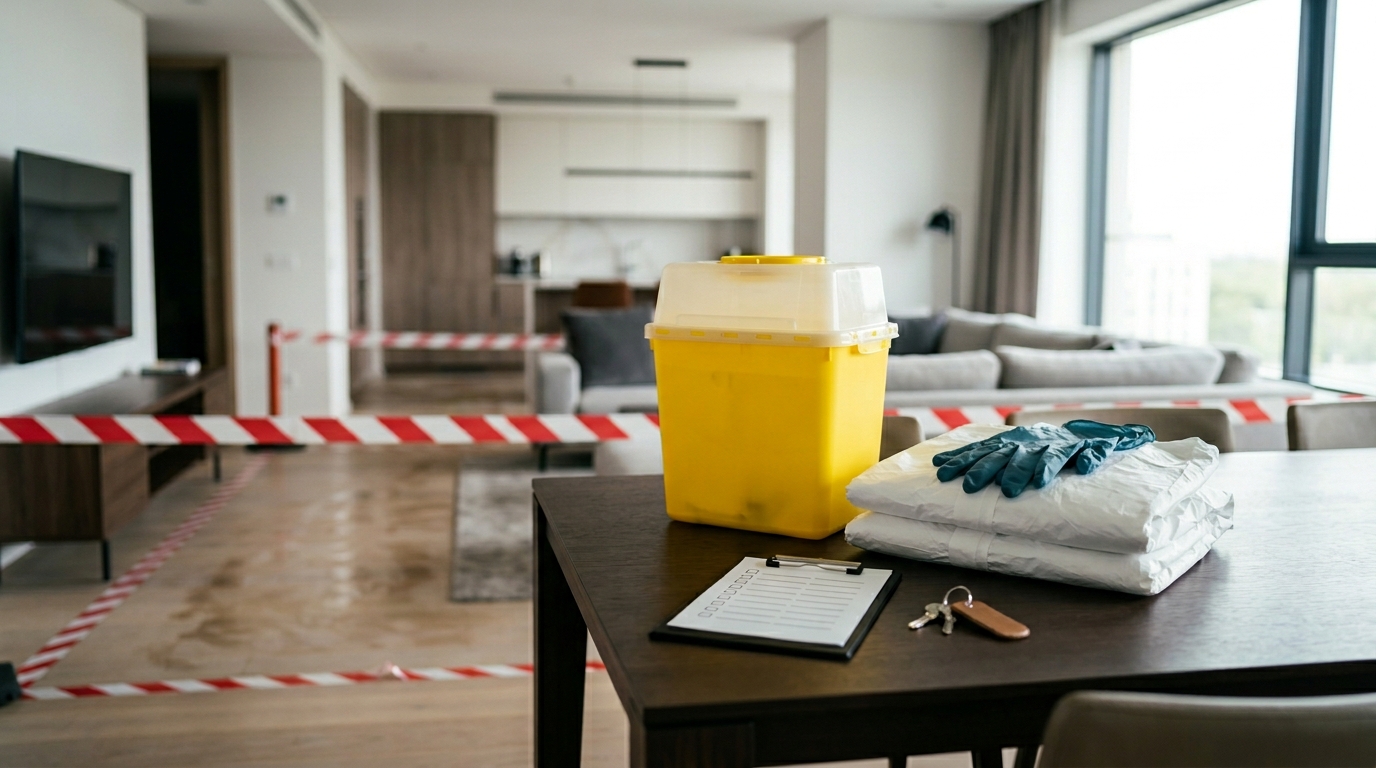
When a property is exposed to blood, bodily fluids, infectious materials, sewage contamination, or hazardous waste, standard cleaning methods are not enough. These situations require specialized biohazard cleaning procedures to eliminate health risks, restore safety, and ensure regulatory compliance.
In 2026, property owners face increasing concerns about disease transmission, workplace safety standards, and proper waste disposal. Whether dealing with a crime scene, unattended death, sewage backup, or infectious disease outbreak, professional cleanup is essential to protect occupants and preserve property value.
This guide explains everything property owners need to know about biohazard cleanup, including common situations that require service, how professionals perform remediation, costs, and why hiring certified experts is the safest option.
What Is Biohazard Cleaning?
Biohazard cleaning is the specialized process of removing, sanitizing, disinfecting, and safely disposing of biological contaminants that may pose health risks to humans.
Also known as biohazard remediation, the service involves:
- Identifying contaminated areas
- Removing hazardous materials
- Performing biohazard decontamination
- Conducting biohazard sanitation
- Properly disposing of regulated waste
- Restoring affected spaces to safe conditions
Professional biohazard cleaning services follow strict industry protocols and use specialized equipment, protective gear, and hospital-grade disinfectants.
Unlike traditional janitorial work, professional biohazard cleaning focuses on eliminating dangerous pathogens, bodily fluids, and contaminated materials that can spread illness or create unsafe living conditions.
What Qualifies as a Biohazard?
A biohazard is any biological substance that poses a threat to human health.
Examples include:
Blood and Bodily Fluids
- Blood contamination
- Tissue remnants
- Bodily fluids
- Trauma-related contamination
Situations often require:
- blood cleanup services
- blood spill cleanup
- emergency blood cleanup services
Infectious Materials
Properties may require:
- infectious disease cleanup
- virus decontamination services
- bacteria contamination cleanup
- pathogen cleanup
- infection control cleaning
- disinfection services
Medical and Hazardous Waste
Examples include:
- Sharps and needles
- Medical waste
- Laboratory waste
Cleanup may involve:
- medical waste cleanup
- hazardous material cleanup
- hazardous waste cleaning
- biohazard waste cleanup
Sewage and Fecal Contamination
Raw sewage contains harmful pathogens and bacteria that require:
- sewage cleanup
- sewage contamination cleaning
- feces cleanup services
- contamination removal
Common Situations Requiring Biohazard Cleanup
Property owners may need emergency biohazard cleanup for many unexpected situations.
Crime Scene Cleanup
After criminal investigations conclude, properties often require:
- crime scene cleanup
- forensic cleaning services
- certified crime scene cleanup services
Professionals safely remove biological materials and restore the property.
Trauma Scene Cleanup
Accidents and traumatic incidents frequently require:
- trauma scene cleanup
- trauma cleaning
- death scene cleanup
These situations demand sensitivity, discretion, and specialized remediation techniques.
Unattended Death Cleanup
When a death goes undiscovered for an extended period, decomposition can cause severe contamination.
Professional services include:
- unattended death cleanup
- odor mitigation
- deep sanitization
- structural decontamination
Homicide Cleanup
Following law enforcement investigations, properties may need:
- homicide cleanup
- bloodborne pathogen removal
- complete property restoration
Suicide Cleanup
Families often rely on trained professionals for:
- suicide cleanup
- trauma remediation
- emotional and confidential support
Hoarding Situations
Severe hoarding can create biohazard conditions requiring:
- hoarding cleanup services
- hoarder house cleaning
- property decontamination
The Biohazard Cleaning Process
Professional biohazard cleaning and disinfection services follow a systematic process.
1. Site Assessment
Technicians inspect contamination levels and identify affected areas.
2. Safety Containment
Containment barriers prevent contaminants from spreading to unaffected spaces.
3. Removal of Hazardous Materials
Teams remove contaminated materials such as:
- Carpeting
- Drywall
- Furniture
- Biological waste
4. Deep Cleaning and Disinfection
This stage includes:
- biohazard sanitation
- biohazard decontamination
- pathogen elimination
- surface disinfection
5. Odor Removal
Advanced treatments and odor removal services eliminate lingering smells associated with biological contamination.
6. Waste Disposal
All contaminated materials are packaged, transported, and disposed of according to regulations governing biohazard waste cleanup.
7. Final Verification
The area is inspected to ensure safe occupancy and complete remediation.
Why Professional Biohazard Cleaning Matters
Attempting cleanup without proper training can expose property owners to dangerous pathogens and legal liabilities.
Benefits of hiring a certified biohazard cleanup provider include:
Health Protection
Experts eliminate risks associated with:
- Bloodborne pathogens
- Viruses
- Bacteria
- Infectious materials
Regulatory Compliance
Professionals understand local, state, and federal requirements regarding:
- Waste disposal
- Safety standards
- Hazardous material handling
Faster Recovery
24 hour biohazard cleanup teams can quickly restore properties and minimize downtime.
Proper Equipment
Professional crews use:
- PPE
- HEPA filtration systems
- Commercial disinfectants
- Specialized remediation equipment
Residential vs. Commercial Biohazard Cleaning
Residential Biohazard Cleaning
Homeowners often require:
- residential biohazard cleaning
- home biohazard cleanup
- apartment biohazard cleanup
- residential biohazard cleanup specialists
Common causes include accidents, sewage backups, unattended deaths, and hoarding situations.
Commercial Biohazard Cleaning
Businesses may need:
- commercial biohazard cleaning
- industrial biohazard cleanup
- workplace biohazard cleanup
- workplace contamination cleanup
Commercial environments often require rapid response to protect employees and maintain operations.
Healthcare Facilities
Medical environments frequently require:
- healthcare facility cleaning
- hospital biohazard cleaning
- clinic decontamination services
- sanitation services
Strict infection-control standards make professional remediation essential.
How Much Does Biohazard Cleaning Cost?
Many property owners ask, how much does biohazard cleaning cost?
The answer depends on several factors:
- Type of contamination
- Size of affected area
- Level of remediation required
- Disposal requirements
- Emergency response needs
Minor contamination incidents may cost several hundred dollars, while large-scale trauma or decomposition cleanups can cost several thousand dollars.
A professional inspection is the most accurate way to obtain pricing.
Choosing the Right Biohazard Cleaning Company
Not all providers offer the same expertise.
When selecting a professional biohazard cleaning company, look for:
Certifications and Training
Choose teams experienced in:
- certified biohazard cleanup
- trauma remediation
- infection control
Emergency Availability
Look for:
- 24/7 biohazard cleanup services
- rapid dispatch teams
- emergency biohazard cleaning services
Experience
An established trauma and biohazard cleanup company should have experience handling:
- Crime scenes
- Trauma incidents
- Sewage contamination
- Infectious disease cleanup
Comprehensive Services
The best biohazard cleaning company offers:
- Cleanup
- Decontamination
- Disinfection
- Odor removal
- Waste disposal
Many property owners searching for biohazard cleaning near me, biohazard cleanup near me, local biohazard cleanup services, or biohazard cleaning contractors prioritize response time, certifications, and proven experience
Frequently Asked Questions
What is the difference between cleaning and biohazard remediation?
Standard cleaning removes visible dirt, while biohazard remediation eliminates biological hazards, pathogens, and contaminated materials.
Is biohazard cleaning covered by insurance?
Many homeowner and commercial insurance policies may cover certain biohazard-related incidents. Coverage varies by policy and cause of loss.
How long does biohazard cleanup take?
Small projects may take a few hours, while extensive contamination can require several days.
Can I perform biohazard cleanup myself?
DIY cleanup is strongly discouraged because exposure to pathogens can create serious health risks.
When should I call emergency biohazard cleanup services?
Immediately after discovering blood contamination, trauma scenes, sewage exposure, infectious materials, or other hazardous biological conditions.
Why is professional disinfection important after contamination?
Professional cleaning helps eliminate bacteria, viruses, and pathogens that may remain after visible contamination is removed.
Conclusion
Biohazard incidents can occur without warning and often involve significant health, safety, and legal concerns. Whether dealing with a crime scene, infectious disease contamination, sewage backup, or trauma event, professional biohazard cleaning services provide the expertise needed to safely restore a property.
For property owners in 2026, the safest approach is partnering with trained specialists who understand proper remediation, decontamination, and waste disposal procedures. Acting quickly can minimize damage, reduce health risks, and accelerate recovery.If you need fast, reliable, and compassionate assistance, Quick Response Restoration provides professional biohazard cleanup solutions designed to restore safety and peace of mind when it matters most.